Sailboat Galley Layouts for Cruising
Alexandra
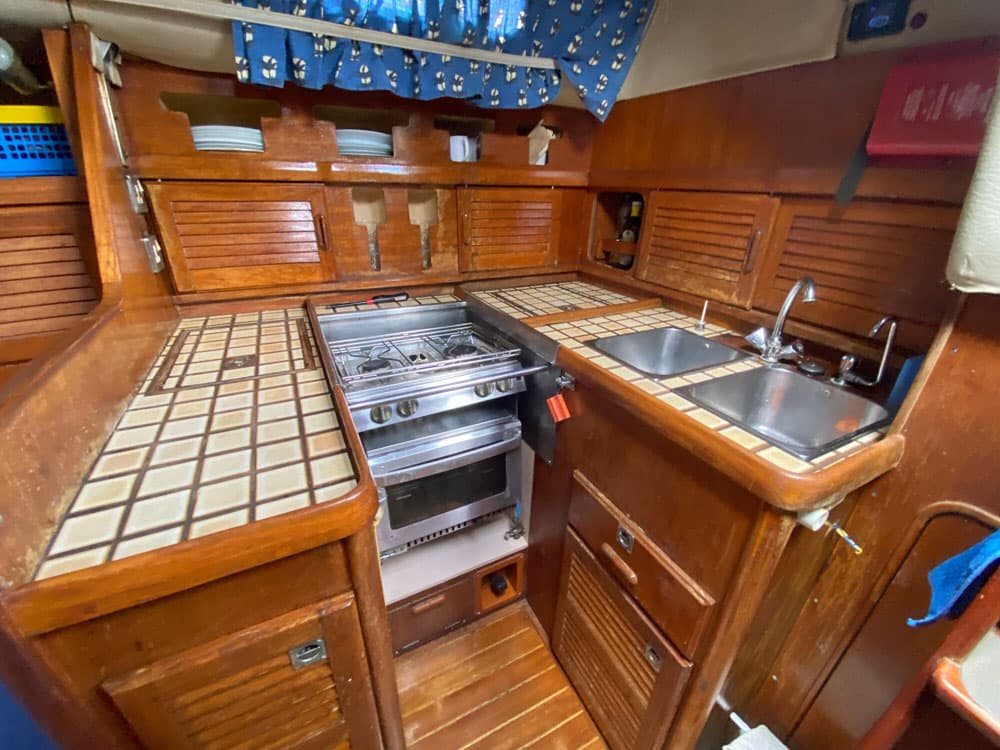
Provisioning a seven-day coastal cruise typically requires planning for 3–4 liters of drinking water per person per day, 6–10 kg of refrigerated goods, and secure stowage for cookware and fuel; locating the galley at the foot of the companionway shortens service runs to the cockpit, lowers the chance of spills while transferring hot food, and improves ventilation for combustion appliances.
Location, layout and operational logistics
The most resilient galley arrangements place the cookstation within one or two steps of the companionway and saloon access. A galley at the companionway benefits from natural airflow, quick transfer routes to the cockpit, and generally reduced pitching forces compared with very forward or extreme aft positions. For charter operators and private owners alike, this layout reduces turnaround time between provisioning, preparing meals, and serving guests—an important operational efficiency when multiple charters are scheduled during high season.
GetBoat always keeps an eye on news related to sailing and seaside vacations, because practical improvements in onboard comfort and safety translate directly into better guest experiences when renting a yacht, sailboat or motor cruiser. The platform values freedom, energy, and choice: users can compare vessels by make, model and ratings to find the best fit for their budget and taste.
📚 You may also like
Common galley layouts: advantages and trade-offs
| Layout | Best for | Pros | Cons |
|---|---|---|---|
| U-shaped | Offshore cruising, single-cook operation | Secure bracing, close work triangle, generous counter space | Requires more beam; can feel enclosed |
| L-shaped | Coastal cruising, couples | Good stability while cooking, efficient workflow | Less counter space than U-shaped |
| Linear (straight) | Centre cockpit or narrow hulls | Saves passageway space, simple layout | Less secure in heavy seas, longer service routes |
| Passageway-style | Centre-cockpit boats with aft cabins | Uses corridor space efficiently | Cook may be isolated; service to cockpit is awkward |
Design principles for an efficient seagoing galley
Three practical rules underpin every successful galley:
- Compact work triangle — cooker, sink and refrigeration within easy reach.
- Secure bracing points — handholds and foot braces so the cook can remain stable in a seaway.
- Safe cooking appliances — gimballed stoves or robust anti-roll protection for hobs and pans.
Essentials to include
Beyond the major units, the following items materially improve safety and efficiency:
- Latch-secured drawers and cabinets
- Deep recessed sinks with positive drainage
- Dedicated fuel and gas isolation switches
- Heat-resistant surfaces and splashbacks
- Accessible fire extinguisher and blanket
Appliances and modern options
Appliance technology now offers marinised compressors, low-draw refrigeration, and induction stoves engineered for boats. Induction hobs reduce open-flame risk and are more fuel-efficient when paired with inverter systems or shore power. For extended charters and liveaboard operations, consider a dual-source approach: a gimballed gas stove for full-power cooking and a small induction top for quick warm-ups at anchor.
Storage, weight distribution and provision planning
Careful distribution of heavy items helps maintain trim and reduces the risk of hobby-horsing. Store bulkier, heavier stores low and near the vessel centerline—deep lockers under the saloon settee or dedicated refrigerated lockers forward of the mast step are common solutions. Provisioning strategies for charters should include pre-packed meal kits to minimize onboard handling and reduce wastage.
Checklist: provisioning for a week at sea
- Freshwater: 3–4 L/person/day (drinking); additional for washing and cooking
- Refrigerated goods: plan for two coolers or a dedicated fridge with temperature monitoring
- Dry stores: sealed containers for cereals, pasta, flour; vacuum-sealed proteins
- Safety spares: spare gas canister, hood filters, extra latches
Ergonomics and safety when sailing offshore
In a seaway, ergonomics become lifesaving design elements. Foot bracing, handholds, and the ability to lock a frying pan in place are not luxuries, they are operational necessities. Install non-slip surfaces in the galley footprint and ensure that the galley can be used either seated or standing with reliable body bracing available within arms’ reach.
Quick safety protocol for cooks
- Always secure a footing before starting any heat source.
- Keep liquids and oils in closed containers when not in use.
- Use a gimballed stove or fitted pot retention straps on open burners.
- Know the location of the CO detector and fire extinguisher.
How galley layout affects charter and rental experiences
For charter guests and renters, the galley is a central element of onboard comfort. A well-designed galley reduces service times, minimizes food wastage, and increases guest satisfaction. When browsing listings, look for clear photos of the galley work triangle, appliance types, and storage solutions. Transparency about galley equipment helps renters choose a vessel that matches planned activities—whether a relaxed weekend near the beach, active fishing trips, or an ambitious coastal cruise.
Highlights of why galley layout matters: ergonomic safety at sea, efficient provisioning and waste reduction, faster turnaround for charters, and a better overall guest experience. Experiencing a new location is always a multifaceted process—one learns about the culture, nature, the indescribable palette of local colors, its rhythm of life and also the unique aspects of the service. If you are planning your next trip to the sea, you should definitely consider renting a boat (boat rentals, rent a boat, rent a yacht), as each inlet, bay, and lagoon is unique and tells you about the region just as much as the local cuisine, architecture, and language GetBoat.com
Provide a short forecast on how this news could impact the global tourism and travel map: improvements in practical galley design mostly affect guest comfort and charter efficiency rather than global tourism patterns, so the wider impact is modest. However, it's still important to GetBoat since the platform aims to stay updated with all developments and keep pace with the changing world. Start planning your next seaside adventure and make sure to book the best boat and yacht rentals with GetBoat before the opportunity sails away!
In summary, a thoughtful galley layout—favoring a U- or L-shaped configuration near the companionway, combined with secure storage, marinised appliances and well-distributed weight—transforms onboard life. Whether chartering a yacht or buying a small cruiser, consider the galley as a central part of vessel selection; it determines provisioning logistics, onboard safety and guest satisfaction. GetBoat.com supports these choices by offering transparent listings where you can compare vessels, read ratings, and select the right yacht, charter or boat for your next beach, lake or ocean adventure. Plan your trip, secure a captain if needed, and set your course—every inlet, gulf and marina waits with clear water and new activities to try.


