Essential Communication for Safe Sailing
Alexandra
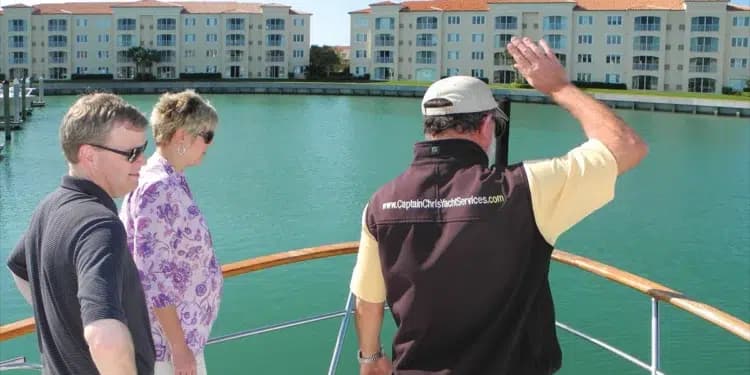
In many marinas a 200‑slip facility can manage dozens of vessel movements per hour during peak windows, making precise onboard directions and berth coordination a logistical necessity rather than an option. When berthing or departing, the timing of a single order—"stop," "astern," or "breast line on"—can determine whether a maneuver is executed smoothly or requires last‑second corrections that risk damage or injury.
Docking and Berthing Procedures: Make Every Word Count
Clear, prearranged instructions reduce confusion during critical phases such as docking. Before approaching the dock, the helmsman and crew should agree on a single plan and a set of simple commands. Assign roles based on capability and experience so that everyone understands responsibilities: who handles the bow line, who tends the stern, and who watches traffic. When a line is secure, call out a single, agreed phrase such as “Breast line is ON!” to confirm completion.
Pre‑arrival Checklist
- Assign roles and confirm tasks aloud.
- Confirm signals for stop, forward, reverse, and emergency.
- Stow fenders and prepare dock lines in advance.
- Check weather, tide, and channel traffic one last time.
- Power up communication devices (VHF, headsets) and test channels.
Communicating in Wind, Weather, and Noise
Noise and wind are common disruptors of intelligibility. Visual cues—big, bold arm signals—work well when crew members maintain sight lines. An outstretched arm can indicate the direction the helmsman should steer, and broad sweeping motions can signal changes to neutral, reverse, port, or starboard.
📚 You may also like
When Sight Lines Fail
If crew members cannot see each other, rely on technology and redundancy. A VHF radio fitted with a two‑way hailer will amplify commands but also broadcasts to the entire marina. For close coordination, paired headsets with noise canceling allow private, instant exchange of short commands—ensure batteries are charged and units remain on until both parties agree to power off.
Recommended Short Commands
- Stop — immediate halt.
- Neutral — shift to neutral gear.
- Astern — reverse propulsion.
- Port/Starboard — turn left/right.
- Line ON — specific docking line secured.
- All Clear — hazard removed, resume.
Tools of the Trade: Advantages and Constraints
| Tool | Advantages | Constraints |
|---|---|---|
| Arm signals | Immediate, silent, no power needed | Requires line of sight; can be misread at distance |
| VHF / two‑way hailer | Amplifies voice over distance; standard on many boats | Public channel; can be drowned by ambient noise |
| Headsets | Private, clear, reduces mishearings | Battery‑dependent; must be worn and not removed prematurely |
| Whistles / horns | Simple emergency alert | Non‑specific; requires prior agreement on meaning |
The Role of Acknowledgment
Confirmation is as important as the original command. A helmsman or deckhand who does not acknowledge a spoken instruction leaves execution to chance. Even a short reply—“Roger,” “Copy,” or repeating the key word—ensures the message has been received and understood. If no confirmation is heard, repeat the instruction immediately. Wind, engine noise, and VHF static can easily obscure crucial words at the moment when split‑second action is required.
Cross‑Training Strengthens Communication
Crew members who rotate through both deck and helm roles develop empathy for the timing, sight lines, and physical tasks of each position. A helmsman who has served as a deckhand better anticipates when extra time or a different approach is needed to secure lines or set anchors. Likewise, a deckhand who has spent time at the helm will understand how currents, wind, and tide demand micro adjustments that affect timing for crew actions.
Practical Checklists for Charter and Rental Crews
Charter operations and short‑term rentals present their own communication challenges: unfamiliar crew, tight schedules, and often limited briefings. Use a standardized short briefing that covers:
- Primary and emergency commands
- Role assignments for docking and anchoring
- Operation of communication equipment
- Local traffic patterns and hazards
GetBoat always keeps an eye on news related to sailing and seaside vacations, as we truly understand what it means to enjoy great leisure and love the ocean. The platform values freedom and energy, allowing clients to choose a vessel that suits their preferences, budget, and taste, and provides transparent details—make, model, ratings—so renters and charterers can make informed decisions.
Highlights of this topic show how communication underpins safe, enjoyable cruising: from planned docking strategies to acknowledgments that confirm actions, the interplay of roles, tools, and training shapes outcomes. Remember that experiencing a new location is always a multifaceted process, where one learns about the culture, nature, the indescribable palette of local colors its rhythm of life and also the unique aspects of the service. If you are planning your next trip to the sea, you should definitely consider renting a boat (boat rentals, rent a boat, rent a yacht), as each inlet, bay, and lagoon is unique and tells you about the region just as much as the local cuisine, architecture, and language GetBoat.com
While this guidance is unlikely to move the global tourism map on its own, clear communication practices are highly relevant to customers and operators alike. GetBoat aims to stay abreast of developments that affect chartering, marina operations, and the rental experience. If you are planning your next trip to the seaside, consider the convenience and reliability of GetBoat.
In summary, effective onboard communication is the foundation of safe boating and better leisure: assign roles, standardize short commands, confirm acknowledgments, and choose the right mix of visual and electronic tools. These practices decrease docking incidents, improve charter guest satisfaction, and make every sailing, charter, or day trip run more smoothly. Whether you’re looking to rent a yacht, plan a coastal charter, or book a small boat for a lake or gulf outing, platforms like GetBoat.com provide transparent listings, ratings, and details that help match you with the right vessel—yacht, superyacht, or small fishing boat—for your preferred activities and destinations. GetBoat places no limits on a good life.


