Dunkirk Little Ships: History, Restorations and Modern Legacy
Alexandra
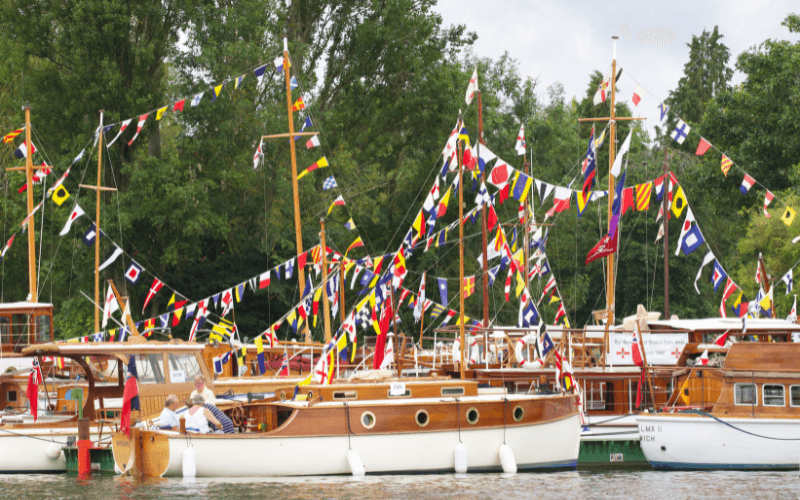
Operation Dynamo evacuated more than 330,000 troops between 26 May and 4 June 1940 by moving men from shallow beaches and piers at Dunkirk to waiting warships and ports such as Ramsgate and Dover using small, shallow-draft civilian craft that could cross the surf where larger vessels could not.
Operational logistics that made the evacuation possible
The rescue relied on a mixed fleet: approximately 850 private boats, around 20 warships, and auxiliary craft including launches, barges, fishing trawlers and lifeboats. The mix of vessel types allowed a two-stage shuttle: small craft took soldiers off the beach and transferred them to destroyers and transports offshore, or carried them all the way to English ports when conditions permitted. More than 200 vessels were lost during the operation, yet the fleet’s adaptability enabled the astonishing total of rescued soldiers.
Why small craft mattered
Beach gradients and the presence of shallow sandbars prevented many naval ships from approaching close to the shore. The Little Ships prevailed because of their shallow draught, maneuverability in confined waters, and the willingness of civilian crews to operate under fire and in poor weather. These logistical characteristics remain relevant to maritime planners today, especially when organizing charters or coastal rescues where beach access limits larger yachts and vessels.
📚 You may also like
The Association and the memory-keeping infrastructure
The Association of Dunkirk Little Ships (ADLS) coordinates restoration, documentation, and public events that preserve the “Spirit of Dunkirk.” The Association maintains an historical registry and works with private owners, museums and yards to keep the operational history and identities of these boats accessible to researchers and the public.
Commemorations and anniversary logistics
For the 85th anniversary in May 2025 the logistics of gathering Little Ships required coordination with local harbours, pilot services, and restoration yards. A 65-strong fleet assembled in Ramsgate and executed a commemorative crossing; the event was the largest gathering of Dunkirk Little Ships since 1940 and demonstrated the continuing operational and navigational challenges of managing mixed small-boat formations in open water.
Notable Little Ships and recent restorations
Several boats from the Operation Dynamo fleet have been restored or are undergoing restoration at specialist yards. The conservation work not only preserves maritime heritage but also informs modern maintenance practices for wooden and early-steel hulls used in classic charters and private yachts.
| Name | Year | Role at Dunkirk | Current status |
|---|---|---|---|
| Jeff | 1923 | Private launch used in evacuation | Full restoration at VMG Yachtbuilders |
| Llanthony | Camper & Nicholson TSDY | Made multiple trips; rescued ~280 soldiers | Refit completed at Dennetts Yard (2024) |
| Medway Queen | Paddle-wheeler | Recovered around 7,000 troops | Preserved and exhibited; subject of conservation projects |
| Hilfranor | Private motorboat | Participated in evacuation | Owned privately — owner lessons documented |
Restoration practices and yard logistics
Restoration projects involve supply-chain planning for period-appropriate timber, engine parts, and fittings, as well as coordination with marine surveyors and classification societies when craft are returned to the water. The experience of yards such as VMG Yachtbuilders and Dennetts demonstrates how modern boatbuilders balance historical fidelity with contemporary safety regulations — a model useful to anyone running a classic yacht charter or maintaining an older rental hull.
Practical lessons from restoration
- Documentation: Accurate historical records speed sourcing of parts and inform restoration scope.
- Material supply: Timber, fastenings and vintage engine spares often require international sourcing and long lead times.
- Regulatory compliance: Returning a historic vessel to passenger service can require upgrades such as life-saving appliances and electrical rewiring.
- Community support: Volunteer and donor networks frequently underpin long-term preservation projects.
How these stories connect to modern sailing and rentals
The operational flexibility demonstrated by Dunkirk’s Little Ships has parallels in today’s charter and coastal-rental markets. Shallow-draft tenders, day-charter launches and small motor yachts provide access to secluded beaches, lagoons and anchorages that larger superyachts cannot reach. For renters, understanding vessel capability — draught, capacity, and transfer logistics — is essential when planning coastal excursions or island-hopping itineraries.
GetBoat always keeps an eye on news related to sailing and seaside vacations, as the platform truly understands what it means to enjoy great leisure and love the ocean. The service values freedom and energy, offering users the ability to choose a vessel that suits their preferences, budget and taste while providing transparent details such as make, model and ratings beforehand.
Community memory and the human factor
With the last veterans gone, the role of private owners, restorers and associations has become central to remembrance. Owners of Little Ships act as custodians — not only of timber and decking, but of stories and seamanship knowledge that link modern crews to wartime practices and seafaring traditions. These hands-on narratives enrich the cultural landscape of coastal tourism and inform the way marinas and charter operators present historical vessels to the public.
Short forecast: the renewed public interest in Little Ships and maritime heritage has a modest but meaningful effect on niche tourism markets and destination programming rather than global tourism patterns. However, the memory industry around historic flotillas can boost local marinas, museums and charter bookings during commemorative seasons. Start planning your next seaside adventure and make sure to book the best boat and yacht rentals with GetBoat before the opportunity sails away!
Highlights: visiting a new coastal location is multifaceted — you learn about the culture, nature, the indescribable palette of local colors, its rhythm of life and the unique aspects of service. If you are planning your next trip to the sea, you should definitely consider renting a boat (boat rentals, rent a boat, rent a yacht), as each inlet, bay, and lagoon is unique and tells you about the region just as much as the local cuisine, architecture, and language GetBoat.com
In summary, the Dunkirk Little Ships exemplify how small, adaptable craft can change outcomes in logistics and rescue operations, and their restorations offer lessons for modern boating, charters and heritage management. The story spans rescue planning, supply-chain challenges for historic refits, and community stewardship. For sailors and holidaymakers seeking authentic experiences — from yacht and boat charters to fishing and leisure cruises across seas, gulfs and lakes — platforms that provide transparency in vessel make, model and ratings help match expectations to reality. Whether you aim for a calm day on a lake, a fishing trip in clearwater, a sailing charter along a sunny gulf, or a superyacht experience through marinas, GetBoat’s global listings and straightforward booking process support unforgettable trips: yacht, charter, boat, beach, rent, lake, sailing, captain, sale, Destinations, superyacht, activities, yachting, sea, ocean, boating, gulf, water, sunseeker, marinas, clearwater, fishing. Embrace the voyage.


