Discover the Path - A Comprehensive Guide to Camino de Santiago
Alexandra
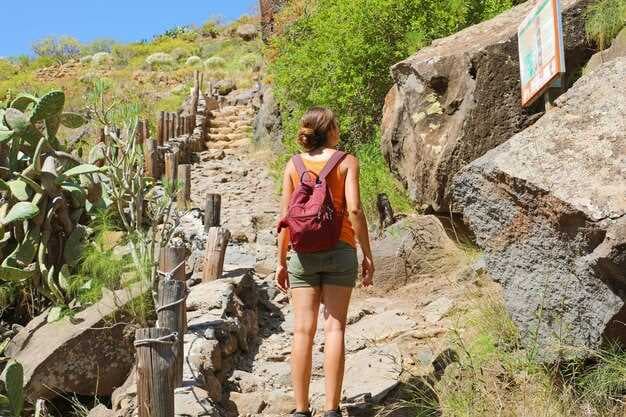
The Camino de Santiago, known for its breathtaking landscapes and rich history, is a journey that truly transforms those who undertake it. From the moment you step onto the path, you become part of a long tradition that stretches back centuries, where every footstep resonates with the legends of those who came before. Today, with a plethora of routes to choose from, including the renowned French Way and the Via Francigena, travelers have many options that cater to various interests and levels of difficulty.
As you explore this ancient pilgrimage route, you will encounter stunning towns like León, where history and modern life seamlessly blend. Local hostels welcome weary travelers, offering a chance to connect with fellow pilgrims over hearty meals and shared stories. Whether you prefer the plains of La Rioja or the rolling hills of Galicia, there is something enchanting in every region. It is essential to be well-informed about the practicalities, including maps, gear requirements, and weather conditions to ensure a successful journey.
As you prepare for this adventure, remember to pack wisely. The ideal clothing and gear not only enhances comfort but also allows you to focus on the journey rather than the burdens of your sledge. Follow the route with attention to detail, paying homage to the incredible heritage and the simple joys that come from walking each day. You may even find yourself reflecting on life, processing your own growth, and letting go of the sins of the past. After all, this pilgrimage is not merely a trek; it's a profound experience that invites you to explore both the world outside and the body within.
📚 You may also like
Accommodation Options for Pilgrims
For those embarking on the Camino de Santiago, finding adequate accommodation is a crucial aspect of the journey. Pilgrims can choose from a variety of options, ranging from albergues, which are hostels designed specifically for walkers, to hotels and guesthouses in charming villages along the route. In areas like Galicia and the westernmost sections of the Camino, it is common to find hospitable small towns that cater to the needs of travelers. Albergues offer the chance to meet fellow pilgrims and share stories, making the journey even more memorable.
Travelers setting off from Saint-Jean-Pied-de-Port can expect to face varying terrains, including hills and flat sections. It is essential to prepare adequately, ensuring you have the appropriate footwear and an updated first aid kit. Knowing where to find accommodations in advance can help avoid any unexpected surprises during the journey. Some sections of the route may lack available places to stay, and it is advisable to have a plan in place to avoid being forced to collapse from exhaustion.
Along the Camino Frances, numerous albergues can be found, often run by locals who are passionate about the pilgrim tradition. These establishments are typically inexpensive and offer a communal atmosphere, as well as basic amenities. Many are located strategically, allowing pilgrims to rest easily after a long day of walking. It's also worth noting that, once you reach the borders of Galicia, accommodation options may change as more pilgrims join the route.
If you prefer a more comfortable stay, hotels and guesthouses provide a unique experience, albeit at a higher price. More upscale accommodations may be found in larger towns or cities, but they still maintain the essence of the pilgrim’s experience with local flavors and hospitality. Whether you choose to take the camino portuguese or stay on the french route, there's ample opportunity to find cozy places to recharge.
To ensure a smooth journey, consider booking your stays in advance during peak pilgrimage seasons. Planners can also benefit from applications that highlight local services, including hospitals and pharmacies, essential for any unforeseen circumstances. As you explore this journey, remember that the Camino offers a combination of scenic landscapes and cultural richness, all while providing various options for accommodation to meet every pilgrim's needs.
Types of Albergues: Hostels and Pilgrim Hotels
Along the Camino de Santiago, albergues serve as vital havens for pilgrims traversing either the Spanish routes or the Portuguese camino. These establishments can be categorized primarily into two types: hostels and pilgrim hotels. The hostels, often managed by local communities, offer affordable accommodation for travelers seeking a light resting spot after several miles of walking. It’s common to share dormitory-style rooms with fellow pilgrims, creating a sense of camaraderie. Many albergues even provide basic amenities such as communal kitchens and laundry facilities, essential for those trekking this challenging route. Some are situated in charming towns like Saint-Jean-Pied-de-Port, bridging the gap between the rustic allure of the countryside and the comforts needed during a lengthy journey.
In contrast, pilgrim hotels tend to offer a more comfortable experience, ideal for those willing to pay a little extra for privacy and enhanced services. These locations may feature private rooms furnished with modern amenities, catering to travelers looking for a restful respite after a day of trekking. Many of these hotels follow the philosophy of embracing the spirit of Christianity, welcoming pilgrims with open arms and offering not just a place to stay, but also a chance for reflection and rejuvenation. Whether choosing an albergue or a hotel, the journey remains significant–each step, much like the path taken by Ferdinand and countless pilgrims through the ages, contributes to a rich tapestry of experiences as one gets closer to the tomb of Saint James in Santiago de Compostela.
Booking Tips: When and How to Reserve Your Stay
When planning your journey on the Camino de Santiago, one of the most crucial aspects is choosing the right place to stay. Many pilgrims often underestimate the importance of making reservations until it's too late. It is essential to know that a significant number of accommodations book up quickly, especially during peak walking months. This trend is particularly noted from May to October. Pilgrims should aim to reserve their stay well in advance to avoid any inconvenience.
It is beneficial to familiarize yourself with the different types of accommodations available along the Camino. Albergues, hostels tailored for pilgrims, are popular for their affordability and social atmosphere. However, during busy periods, they can fill up rapidly. On the other hand, private hotels or guesthouses offer a bit more comfort. It’s advisable to prioritize your preferences, whether it’s a simple albergue or a more luxurious place.
Many travelers find it helpful to utilize online booking platforms to secure their stay. Websites that specifically cater to the Camino, such as booking.com and other specialized pilgrimage sites, provide useful descriptions and reviews of various accommodations for people of all preferences. Look out for the ones that have green ratings, indicating high customer satisfaction.
Some pilgrims prefer to plan their route beforehand, deciding which sections they will walk each day. This approach allows for more strategic booking of accommodations along the way. By mapping out your trek, you can reserve stays near major sights and attractions, making your journey even more fulfilling. Missing out on key landmarks is a common regret among travelers who don’t plan ahead.
The middle of the journey is often a good time to reflect on your experience and adapt your plans if needed. Many choose to take a rest day in larger towns, allowing them to recharge. This is also a prime moment to explore local attractions, enriching your spiritual experience on the pilgrimage. While taking a pause, ensure your next stays are booked as well, to keep the momentum of your journey flowing smoothly.
It can also be beneficial to keep an eye on the seasons and weather patterns. While spring and autumn offer pleasant walking conditions, the summer months bring a surge of other pilgrims and tourists. If you’re looking for a more solitary experience, consider trekking during the shoulder seasons. Additionally, cater your packing list to reflect the weather, ensuring you have appropriate clothing and socks for the terrain.
With the Camino's diverse route options, ranging from the French Way to more secluded paths through the moors, it is important to research the terrain beforehand. This knowledge can help you select which parts of the Camino appeal most to you and require accommodation accordingly. Knowing what lies ahead will not only enhance your journey but also allow you to implement practical booking strategies.
Finally, don't hesitate to reach out to other pilgrims or Camino groups online for advice on booking accommodations. Fellow travelers can offer reliable tips and recommendations based on their experiences. Their insights might lead you to hidden gems or help you avoid the more crowded places. In essence, thorough preparation and informed booking are key to making the most out of your Camino de Santiago experience.
Facilities to Look For: Showers, Kitchens, and Wi-Fi
When embarking on the Camino de Santiago, understanding the facilities available along the route can significantly enhance your experience. Showers, for instance, are a must-have feature in albergues and hostels, especially after long days of trekking through the beautiful landscapes of Galicia. Many establishments offer hot showers to help weary pilgrims refresh and rejuvenate after their journeys to Santiago or Fisterra. Pay attention to the cleanliness and accessibility of these facilities, as they can vary widely between regions, from the bustling hubs of Saint-Jean-Pied-de-Port to the quieter paths along the Frances route.
Kitchens are another essential amenity to look for when choosing accommodations. Being able to prepare your own meals can save you money and provide a comforting routine amidst your pilgrimage. Most albergues have basic kitchen facilities, enabling you to cook local ingredients and share dinner with fellow pilgrims. This communal aspect not only invites social interaction but also allows you to bond over the shared experience of the trek. The growth in the number of popular places catering to pilgrims has improved kitchen facilities, creating convenient spaces for guests.
Another important consideration is the availability of Wi-Fi. While some may choose to disconnect from the digital world to immerse themselves in the journey, having internet access can aid in navigation and staying in touch with loved ones. Some accommodations provide free Wi-Fi, enabling you to share your experiences and connect with other hikers. It's wise to check reviews and guides for insights on which establishments offer reliable Wi-Fi service, as this can vary widely. With the right facilities in mind, you can focus on enjoying the distinctive features of the Camino while ensuring a comfortable and engaging journey.
Cost Considerations: Budget-Friendly Choices
When planning your pilgrimage along the Camino de Santiago, especially the French Way starting from Irún, understanding the cost is crucial for a budget-friendly experience. In addition to the trail itself, which is often adorned with scallop symbols marking the path of the saint, hikers should assess the average expenses for accommodations, food, and transportation. A basic overview suggests that daily costs can range greatly, depending on the number of nights you spend in albergues or campsites, with a small number of private lodgings for those who desire more comfort.
Food on the Camino can be affordable if you opt for local products and enjoy meals provided by albergues. Numerous budget options exist, allowing you to enjoy a mix of traditional dishes while on the move. Carrying snacks and replenishing supplies in towns is wise, as prices can vary significantly between different areas. On average, a daily budget for meals and drinks can fall between 10 to 20 euros, depending on your choices. Remember, a sufficient amount will be vital for those longer stretches and climbs that the route presents.
| Expense Category | Average Cost (Euros) |
|---|---|
| Accommodation | 10 - 30 |
| Food | 10 - 20 |
| Transportation (within cities) | 5 - 15 |
| Miscellaneous (snacks, drinks) | 5 - 10 |
In a measure of expense distribution, hikers often find that budgeting effectively allows them to enjoy their journey without financial strain. Selecting moderate accommodations and planning ahead for food and supplies can enhance the experience. With the costs laid out in your itinerary, you can focus on the unique landscapes and spiritual qualities of the pilgrimage, making your way through the moors and valleys of northern Spain. Each kilometer brings not just physical challenges, like the climbs, but also a fulfilling sense of discovery in each town and its people, enriching your adventure on the Camino.


