Discover the Best Boat Rentals at Lake Lanier - Your Ultimate Guide
Lake Lanier draws boaters year-round because of its size and proximity to Atlanta. Renting a boat there lets you reach coves and open water without owning equipment or handling maintenance. The lake supports everything from short family outings to longer group trips, but success depends on matching the boat to your plans and checking availability early.
Why Lake Lanier works well for rentals
The reservoir covers more than 38,000 acres with over 600 miles of shoreline. That scale gives renters room to spread out even on busy weekends. Most visitors come for waterskiing, tubing, or simply cruising past wooded banks and small islands. Marinas and rental operators cluster around several public access points, so you can usually find a launch ramp within a short drive of your starting point. Weather can shift quickly on the water, so local operators often provide updated forecasts and basic safety briefings before you leave the dock.
Common rental boats and what they suit
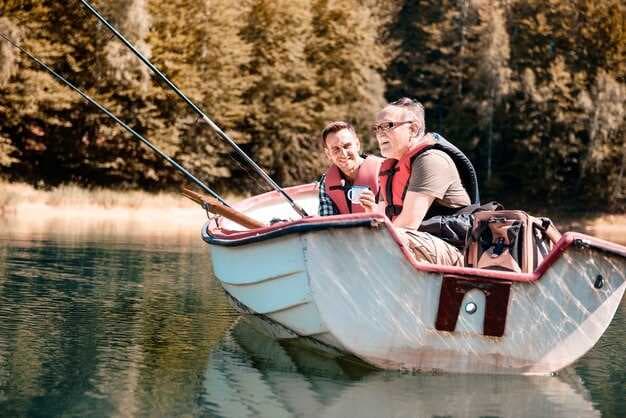
Pontoon boats remain the most requested option because they handle groups of six to twelve people and offer stable platforms for swimming or lounging. Bowriders and deck boats give a bit more speed for pulling skiers or wakeboarders. Larger vessels with upper decks appear at some marinas; these add shaded seating and sometimes a slide, which appeals to families with children. If you want to stay out after dark, ask about lighting and generator power before you book. Smaller fishing boats exist too, though they see less use during peak summer months when most renters prioritize recreation over angling.
📚 You may also like
How to pick a rental and book it
Start by listing your group size, desired activities, and preferred departure time. A boat that feels roomy for four adults can feel tight once coolers, towels, and safety gear are added. Read recent renter comments about the specific vessel rather than the company alone; maintenance and cleanliness vary between individual boats. Deposits are standard, and many operators hold the boat only after payment clears. Peak season runs from Memorial Day through Labor Day, so reserving at least two weeks ahead improves your chances of getting the model you want. If your plans are flexible, mid-week dates often cost less and encounter lighter traffic on the water.
Practical steps before and during your trip
Confirm fuel level and any included hours when you pick up the boat. Bring life jackets that fit every passenger, a waterproof phone case, and basic first-aid supplies even if the rental provides some safety items. Know the no-wake zones near marinas and residential coves; enforcement is active. Cell coverage is spotty in some areas, so tell someone onshore your planned return time. If you plan to anchor for swimming, carry a sturdy anchor and enough line for the depth you expect. Most rental agreements require you to return the boat with the same fuel level you started with, so factor that into your schedule.
What to know about costs and policies
Daily rates fluctuate with boat size, season, and whether a captain is included. Fuel is almost always extra. Some operators charge an additional cleaning fee if the boat returns excessively dirty. Insurance options vary; ask whether the quoted price covers liability only or also damage to the vessel. Cancellation policies tighten closer to the rental date, so review them before paying the deposit. If weather looks questionable, call the marina early; many will work with you to reschedule rather than risk an unsafe trip.
Frequently Asked Questions
How far in advance should I reserve a boat at Lake Lanier?
Two to three weeks works for most weekdays outside holidays. Summer weekends and holiday periods often fill faster, so booking a month ahead is safer if your dates are fixed.
Do I need a boating license to rent?
Georgia requires anyone born after a certain date to carry a boating safety certificate. Rental companies will confirm the exact rule when you inquire and can often point you to an online course if needed.
Can I bring my own food and drinks?
Most operators allow coolers and non-glass containers. Glass is usually prohibited to protect the boat and the lake. Confirm any restrictions on alcohol before departure.