IndiGo launches Mumbai–Athens nonstop on Airbus A321XLR
Alexandra
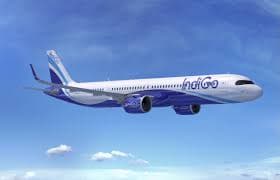
IndiGo will operate three weekly non-stop rotations between Mumbai (BOM) and Athens (ATH) using the Airbus A321XLR, a dual-class narrow-body configured with 12 IndiGoStretch seats and 183 economy seats, immediately introducing India’s first direct scheduled link to Greece and enabling same-aircraft narrow-body long-haul operations from India’s two largest gateway cities.
Operational specifics and network implications
The initial Mumbai–Athens service start-up is paired with a Delhi–Athens service commencing the following day, each operated thrice weekly. Flights are timed to connect Athens with IndiGo’s hubs in Mumbai and Delhi, offering onward connections to key domestic and regional points such as Bengaluru, Chennai, Bangkok, Hong Kong and Colombo through one-stop itineraries.
The carrier’s launch coincides with a bilateral codeshare activation with AEGEAN, which places IndiGo’s 6E code on more than ten European sectors operated by AEGEAN (including cities in Italy, Spain and Bulgaria). Conversely, AEGEAN passengers will be able to reach over ten destinations across IndiGo’s network via Mumbai and Delhi, expanding multimodal corridor options between South Asia and southeastern Europe.
📚 You may also like
Aircraft and onboard offering
The Airbus A321XLR on these routes is presented in a dual-class layout offering complimentary hot meals and beverages along with a personal-device-based digital entertainment system. The XLR’s extended range enables the narrow-body to sustain non-stop sectors that traditionally required wide-body equipment, reducing operating complexity and opening new point-to-point links without the higher seat-mile cost of larger aircraft.
| Route | Weekly Frequency | Aircraft | Seat Configuration |
|---|---|---|---|
| Mumbai–Athens (BOM–ATH) | 3 | Airbus A321XLR | 12 IndiGoStretch; 183 Economy |
| Delhi–Athens (DEL–ATH) | 3 | Airbus A321XLR | 12 IndiGoStretch; 183 Economy |
Commercial and tourism consequences
A direct air bridge between India and Greece reduces total travel time and eliminates transfer friction for leisure travellers, MICE delegations and freight flows that benefit from faster connection times. Athens, already renowned for its historical sites and as a springboard to the Aegean islands, will gain improved feeder traffic to its marinas and island-bound ferry corridors, supporting yachting-related tourism between the Indian subcontinent and Greek sailing destinations.
Connectivity advantages for maritime travel
Faster, non-stop flights from India’s two largest metro areas will likely stimulate demand for island-hopping itineraries, private charter bookings, and seasonal yacht charters originating from Piraeus and other Attica marinas. Tour operators and boat rental platforms can anticipate a broader catchment of Indian holidaymakers seeking beach and boating experiences in the Cyclades and Saronic Gulf.
Stakeholder statements and strategic context
Pieter Elbers, Chief Executive Officer of IndiGo, framed Athens as a symbolic first international destination for the airline’s A321XLR operations, citing the route as a step in broadening global connectivity and supporting India’s positioning as an aviation hub. Yiannis Paraschis, Managing Director (CEO) of Athens International Airport, highlighted this service as the inaugural scheduled direct air link between India and Greece, unlocking opportunities across tourism, trade and cultural exchange.
Immediate market response and ticketing considerations
Initial load factors and yield management will determine the pace at which frequencies expand or new Greek points are added. IndiGo has signalled intent to scale connectivity to additional Greek destinations over time, which will depend on seasonal demand, bilateral traffic rights and the A321XLR availability across the carrier’s fleet.
- Passengers: benefit from shorter itineraries, fewer connections and enhanced inflight amenities on long narrow-body sectors.
- Operators: can leverage the XLR’s economics to test thinner long-haul markets without committing wide-body capacity.
- Destinations: Greek islands and marinas get new source markets—particularly high-value leisure segments.
Brief historical perspective and technological shift
Historically, long-haul links between South Asia and southern Europe relied on wide-body aircraft and hub-stitching via the Gulf or Western European hubs. The arrival of extended-range narrow-bodies such as the A321XLR marks a technological shift: airlines can deploy smaller, more fuel-efficient types on transcontinental routes, enabling non-stop services that were previously uneconomic. This mirrors a broader industry trend toward point-to-point connectivity, bypassing traditional hub-and-spoke choke points and thus reshaping route maps and passenger flows.
How the A321XLR changes route economics
The XLR’s lower trip cost compared to a wide-body on similar sectors allows carriers to open city pairs with moderate but consistent demand. For holiday destinations with concentrated seasonal peaks—like many Greek islands—this enables carriers and charter operators to align capacity more tightly to demand, which can drive down per-passenger fares during shoulder seasons and increase accessibility for independent travellers and small-group charters.
Implications for international tourism
Over time, the direct India–Greece air link could expand the profile of Greece as a nearshore yachting and beach destination for Indian travellers, encourage bilateral business travel, and support cultural exchanges. For the travel industry, including ferry operators, marinas and boat rental agencies, the connection creates a dependable inflow of prospective customers interested in sailing, island-hopping, and coastal activities.
Practical considerations for travellers and marine operators
Travel planners, tour operators and marina managers should monitor schedule seasonality and codeshare routing to optimise packages that integrate air fares, island transfers and yacht charters. Key operational points to consider:
- Synchronise ferry and local transfer schedules with arrival windows to minimise wait times for boat transfers.
- Coordinate with local captains and charter companies for peak-season availability and crew accommodations.
- Prepare for demand spikes at marinas in the Cyclades and Saronic Gulf during summer months, including provisioning and berth reservations.
In summary, the initiation of thrice-weekly non-stop services between Mumbai/Delhi and Athens on the Airbus A321XLR—alongside the AEGEAN codeshare—creates a new direct corridor from India to Greece that will likely stimulate tourism, facilitate MICE travel and provide fresh commercial opportunities for maritime leisure providers. As itineraries tighten and point-to-point travel becomes more efficient, both the aviation and yachting sectors stand to benefit from enhanced connectivity, offering travellers easier access to beaches, marinas and island destinations.
GetBoat keeps tracking developments that affect yacht charters and coastal tourism. For those planning to explore Greek waters—whether looking for a yacht, a boat for day trips, or a longer charter—consider visiting GetBoat.com, an international marketplace for renting sailing boats and yachts, which is probably the best service for boat rentals to suit every taste and budget. The new air links will likely increase demand for yacht charters, beach and island activities, and marina services across Destinations known for clearwater, fishing, yachting and boating experiences—making it easier to book a captain, rent a boat, or organise a superyacht or budget sail for sea and ocean escapes.


