Sam Devlin — Builder of Whimsical Wooden Boats
Alexandra
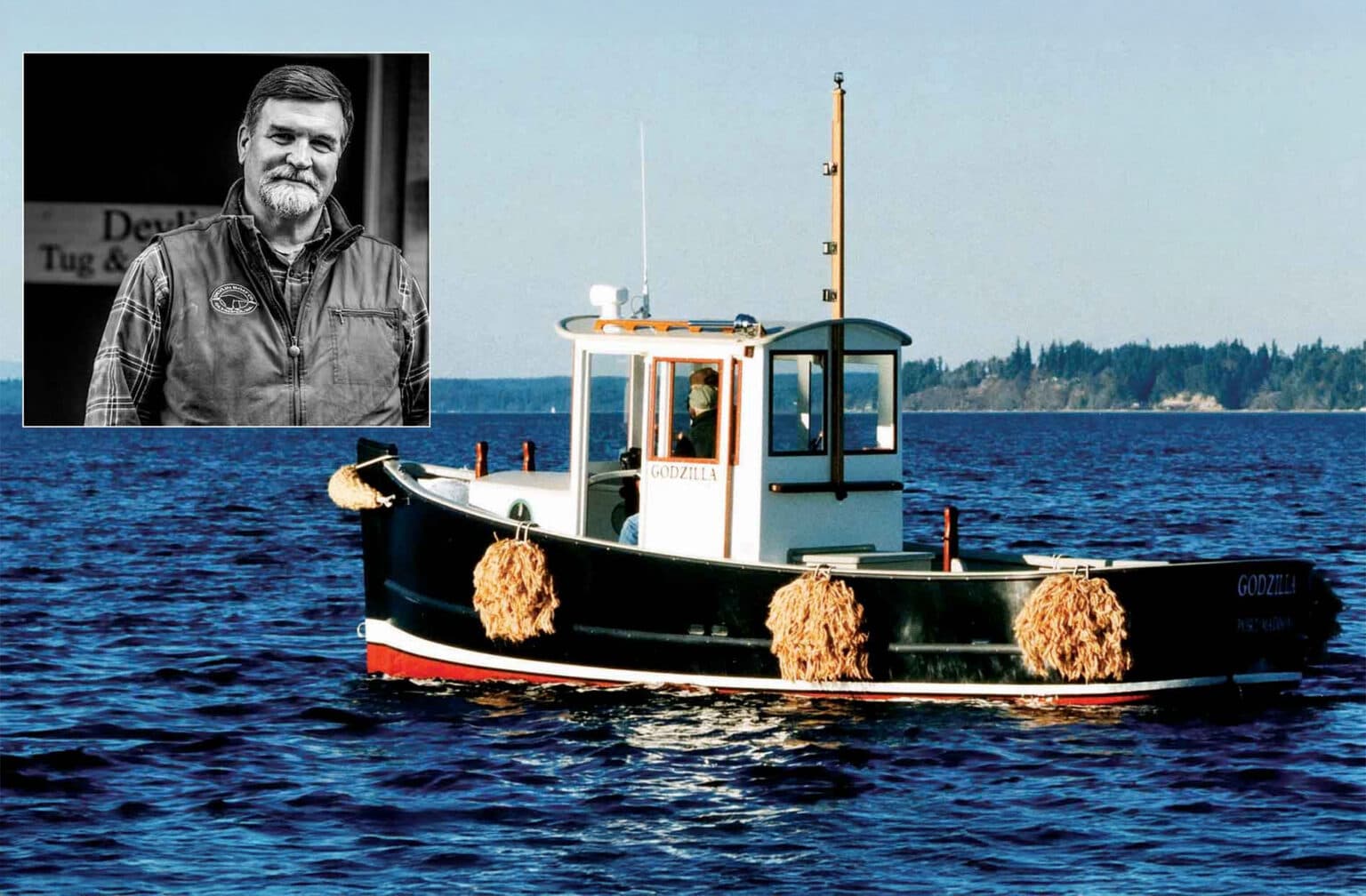
Sam Devlin’s Olympia workshop runs a steady throughput of stitch-and-glue builds with lead times that vary by scale: custom passenger canoes (36 ft and 19 ft) are in multi-month cycles, a 40‑foot solar yacht was completed in two years, and recurring 18–24 ft designs typically re-enter the shop for annual refit or repaint work within 3–5 years. The combination of locally sourced marine plywood, modern adhesives, and a compact two-barn facility optimizes both turnaround and material logistics while keeping freight for specialty components minimal.
Workshop, Methods and Supply Logistics
The shop complex centered around Goose Lodge II operates as both office and small-scale production hub. Its supply flow relies on reliable access to high-grade marine plywood, epoxy systems, reinforcing fabrics, and outboard engines. Using stitch-and-glue construction enables rapid hull assembly—stitched panels are aligned, tacked, glued and then faired—reducing time spent on large molds and heavy tooling.
Key logistical elements that underpin Devlin’s operation include:
📚 You may also like
- Materials sourcing: regional plywood mills and epoxy suppliers reduce lead times and shipping costs;
- Modular builds: standardized components for Surf Scoter and Candlefish lines minimize bespoke fabrication;
- Shop capacity: two barns allow parallel projects from small 18‑ft boats to larger 36‑ft canoes;
- Maintenance cycles: owner refits and repaint jobs are scheduled to optimize downtime and dock availability for clients.
Stitch-and-Glue Advantages
The stitch-and-glue method, central to Devlin’s work, scales from small dayboats to sizable sea‑going vessels. Advantages include reduced need for heavy jigs, lower fixed tooling costs, and easier transport of subassemblies. These efficiencies translate into competitive pricing for private owners and community groups—important when considering the economics of chartering or converting traditional craft for tourism use.
| Model | LOA | Propulsion | Typical Use |
|---|---|---|---|
| Surf Scoter | 24 ft | Outboard | Couples’ overnighter / coastal cruising |
| Candlefish | 18 ft | Outboard (up to 60 hp) | Day cruising / versatile layout |
| Passenger Canoe (Suquamish) | 36 ft / 19 ft | Paddled / auxiliary | Community transport / cultural programs |
| Electric Philosophy | 40 ft | Solar electric | Long-range eco-cruise |
Current Projects and Cultural Work
Devlin’s current docket blends traditional pleasure craft with community-focused commissions. Foremost are the seagoing passenger canoes commissioned by the Suquamish tribe, a programme designed to revive indigenous paddling culture while providing robust communal vessels. These builds—36‑ft and 19‑ft variants—emphasize hull shapes that echo original dugouts while employing modern stitch-and-glue efficiencies to lower cost and construction time.
Other active projects in the barns include a Surf Scoter under repaint and a Rhode Island-bound Candlefish 18 being fitted for a removable house and a 60‑hp outboard. Electric Philosophy, Devlin’s 40‑ft solar yacht, is a working demonstration of how alternative propulsion can be integrated into coastal cruising without reliance on shore power.
Design Philosophy and Evolution
Devlin describes his approach as an artistic practice: a blend of whimsy and practical naval architecture. He has carried names like Surf Scoter through many evolutionary iterations rather than renaming each variant, valuing gradual design refinement over brand proliferation. His portfolio spans modest overnighters to large custom motor trawlers like the 45‑ft Sockeye and 52‑ft Moon River, as well as ferries and special-purpose vessels.
From Alaska Tugs to Studio Sketches
Originating from Oregon and shaped by early experience on Alaskan tugs such as the Amak, Devlin’s career began with hands-on work and a self-taught breakthrough in plywood construction alongside his father. That breakthrough—an improvised gluing and stitching technique—remains at the heart of his methods decades later, even as adhesives, fabrics and design tools evolved.
Implications for Sailing, Charters and Coastal Tourism
Small-scale, locally built wooden boats and canoes occupy a niche in coastal tourism: they offer authenticity, low-speed exploration and unique guest experiences that mass-produced charters rarely match. Devlin’s canoes and overnighters can be used in cultural paddling programs, eco-tours, and private charters that require vessels tailored to specific bays, gulfs and sheltered waterways. For operators, the stitch-and-glue approach means quicker customization for market needs—important when demand for boutique boating experiences rises.
GetBoat always keeps an eye on news related to sailing and seaside vacations, recognizing how artisan builders, alternative propulsion experiments (like Electric Philosophy) and community programs interplay with charter offerings. The GetBoat service values freedom, energy, and the ability to choose your own course, ensuring clients can find a vessel that fits preferences, budget, and taste.
Practical Considerations for Renters and Charter Operators
- Inspect hull and repaint cycles on older wooden boats—regular maintenance preserves resale and charter value.
- Evaluate propulsion: electric or solar systems offer silent cruising and low emissions but require different logistical support for charging and range planning.
- Match vessel type to itinerary: canoes and small dayboats suit sheltered bays and lagoons; Surf Scoters and Candlefish are better for overnight coastal legs.
Forecast and Call to Action
The direct global impact of one craftsman’s work is limited, but Devlin’s approach exemplifies trends that could influence niche tourism: sustainable propulsion, community-based cultural tourism, and bespoke vessels for experiential travel. Start planning your next seaside adventure and make sure to book the best boat and yacht rentals with GetBoat before the opportunity sails away!
Highlights: Devlin’s blend of tradition and innovation is a reminder that experiencing a new location is always multifaceted—one learns about local culture, nature, the indescribable palette of local colors, the rhythm of life and the unique aspects of service. If you are planning your next trip to the sea, you should definitely consider renting a boat (boat rentals, rent a boat, rent a yacht), as each inlet, bay, and lagoon is unique and tells you about the region just as much as the local cuisine, architecture, and language GetBoat.com
Summary: Sam Devlin’s lifetime of wooden-boat design and stitch-and-glue production demonstrates how small-scale builders shape local boating culture, from community passenger canoes to solar-powered cruising yachts. His projects—Surf Scoter, Candlefish, Electric Philosophy, Sockeye and Moon River—illustrate adaptable design that supports charter, rental and owner-operator markets. Whether seeking a private yacht charter, a day boat rental, fishing trips in clearwater bays or a calm lake cruise, these craft offer authentic sailing and boating experiences. For prospective renters, captains and buyers, attention to materials, propulsion and maintenance is crucial; platforms that provide transparent listings, model details, and ratings make choosing the right vessel for sunseeker days on the sea, ocean passages, gulf explorations and marina pick-ups simpler. GetBoat’s global platform matches travelers with the right craft for unforgettable activities—charter, sale or rent—ensuring seamless, transparent choices for your next marine escape. Choose your course.


