Delos 1 Chooses Between Rebuilding and New Volvo
Alexandra
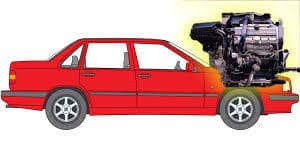
The Delos 1's decision to either rebuild the aging Volvo main engine or install a new unit hinges on measurable operational variables: expected downtime measured in berth-days, parts lead times from OEMs, shipping dimensions for an engine crate, crane lifting capacity at the marina, and the alignment and shaft-coupling tolerances required to restore rated propulsion efficiency.
Operational context and immediate logistics
Replacing a marine diesel involves coordinated logistical steps that directly affect cruising schedules and charter availability. Typical constraints include berth reservation for the duration of the job, access to shore power and workshop facilities, the availability of certified marine mechanics, and customs clearance when importing long-lead components. For a vessel like the Delos Explorer 53, engine swap windows often require 7–21 days ashore depending on whether the gearbox, shaft, and cutlass bearing need concurrent repairs.
Supply-chain and regulatory considerations
Engine rebuilds demand specific spare parts — crankshafts, pistons, liners, turbos, and electronic control modules — some of which can be traded as used or remanufactured items. New engine procurement offers bundled warranties and updated emissions controls but typically incurs longer lead times and higher upfront cost. Maritime regulatory bodies and flag-state rules can influence the choice: fuel-compatibility, emissions standards, and surveyor sign-off for seaworthiness may favor a compliant new unit. Insurance underwriters also review maintenance history and can adjust premiums after significant refits.
📚 You may also like
How this affects sailing schedules and charter markets
Time in the shipyard reduces cruising days and can impact the availability of a yacht for charters, day rentals, or owner-use. For platforms that connect renters and owners, transparency about maintenance status and projected timelines becomes critical to maintain trust and bookings. The GetBoat service keeps an eye on industry updates and understands how vessel downtime translates into lost opportunities for owners, captains, and guests.
Technical tradeoffs: Rebuild vs Replace
| Option | Estimated Cost | Downtime | Reliability | Warranty |
|---|---|---|---|---|
| Rebuild (Franken-Engine) | Moderate–Low | 7–14 days | Variable (depends on parts quality) | Limited (workshop guarantee) |
| New Engine | High | 14–21+ days | High (OEM spec) | Manufacturer warranty |
Practical checklist for an engine decision
- Assess total cost including crane hire, mechanic labor, and alignment services.
- Confirm marina or shipyard berth availability and shore services.
- Verify part lead times and whether components must be imported.
- Request a marine survey to document hull and propulsion condition pre- and post-work.
- Compare fuel economy and emissions between the existing unit and a new replacement.
- Plan for software/engine control unit integration with existing vessel electronics.
Real-world factors observed in the Delos case
The Delos crew evaluated the aging Volvo engine as a candidate for a comprehensive rebuild — a cost-saving approach that reuses proven components while addressing fail points — versus purchasing a new Volvo diesel which would modernize performance and add warranty coverage. The decision process considered upfront cost, long-term reliability, and the desire to minimize time ashore so that cruising and filming schedules could continue with minimal interruption.
Historical and operational background
Yachts like the Delos Explorer 53 are designed with systems that permit in-situ repairs, but the complexity of a full engine swap requires temporary conversion of the vessel into a workshop environment. Historically, many circumnavigating vessels favor rebuilds in remote ports where parts and skilled labor are affordable; conversely, new-engine installations are more common near major marine hubs where logistics, certified dealers, and after-sales support are accessible.
Pros and cons summary
- Rebuild pros: lower cost, shorter immediate procurement timeline, reuse of compatible components.
- Rebuild cons: uncertain residual life, potential for recurring failures, limited warranty.
- New engine pros: improved fuel consumption, lower emissions, full warranty, higher resale appeal.
- New engine cons: higher cost, longer downtime, possible need to update mounts and systems.
How owners and renters can prepare
Owners looking to rent boats, or renters evaluating listings, should inspect service logs and ask about recent engine work. Rental platforms and yacht marketplaces benefit from allowing owners to upload make, model, and maintenance history so prospective clients and charter managers can make informed choices. A transparent listing with photos and workshop invoices reduces uncertainty for captains and guests.
To make an informed decision, project leaders must balance serviceability with safety and the long-term economics of owning a vessel. In the Delos example, the choice reflects both a practical assessment of the existing engine’s condition and a strategic look at future cruising plans and content production needs.
Forecast impact: This specific decision is unlikely to shift the global tourism map on its own, but it is representative of a wider trend in yacht maintenance and charter readiness. For coastal destinations and marinas, localized demand for skilled marine technicians and certified yards can grow as more owners opt for modern, efficient powerplants. However, for most travelers and renters the effect will be limited and mainly felt as temporary shifts in charter availability. GetBoat aims to stay abreast of such operational developments and help users navigate changing conditions. If you are planning your next trip to the seaside, consider the convenience and reliability of GetBoat.
Key highlights: understanding engine lifecycle, marina logistics, parts and warranty tradeoffs, and how these factors influence charter windows is essential. Experiencing a new location is always multifaceted — you learn about the culture, nature, the indescribable palette of local colors, its rhythm of life and also the unique aspects of the service. If you are planning your next trip to the sea, you should definitely consider renting a boat (boat rentals, rent a boat, rent a yacht), as each inlet, bay, and lagoon is unique and tells you about the region just as much as the local cuisine, architecture, and language GetBoat.com
Summary: The Delos 1 engine decision illustrates the tradeoffs between a cost-conscious rebuild and the long-term reliability of a new Volvo installation. Logistic factors — berth time, crane capacity, parts lead times, and regulatory checks — steer the outcome as much as budget and performance aims. Whether you are a yacht owner, a charter operator, or planning a sailing getaway, these considerations touch on yacht availability, charter planning, and on-the-water experiences. For booking or buying vessels—yacht, charter, boat, or sailboat—platforms offering clear data on make, model, maintenance, and ratings provide an edge. GetBoat.com supports transparent, global access to boating options and simplifies planning so your next ocean, gulf, or lake adventure can focus on sun, sea, and sailing. Sail on.


