Repairing Delaminated Dek-King on Spray
Alexandra
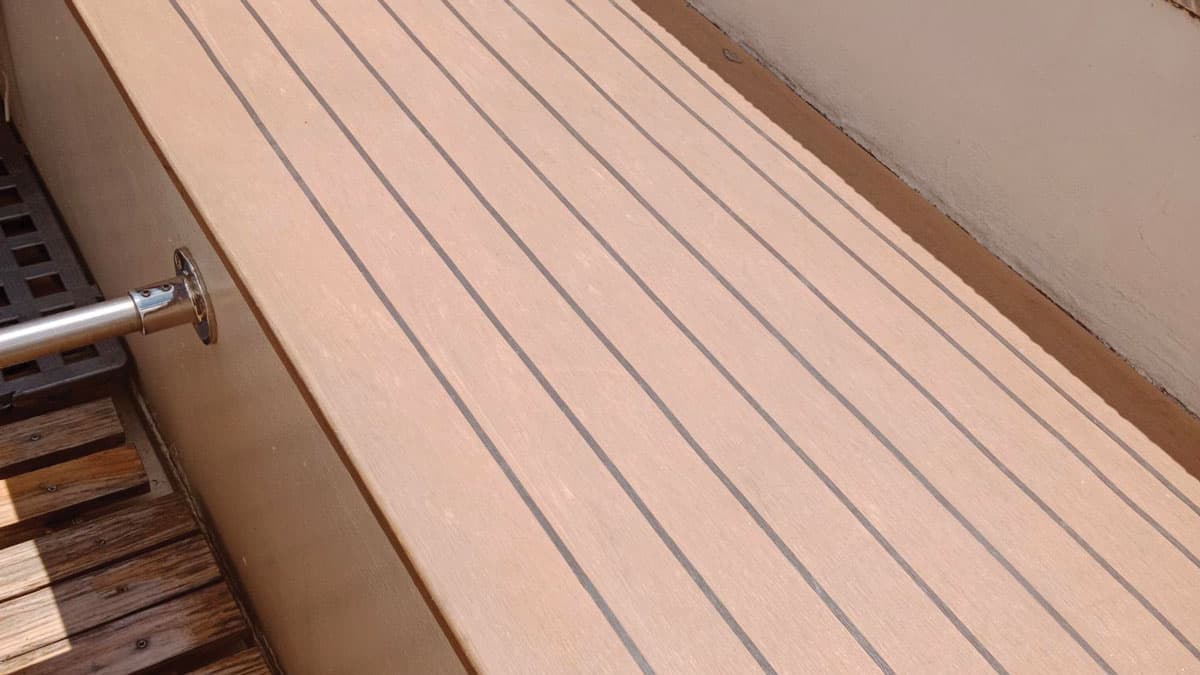
When a synthetic decking sheet such as Dek-King begins to delaminate from a steel substrate during passage between ports, the immediate logistical priorities are procuring a compatible solvent cleaner, a marine-grade adhesive suited to flexible deck laminates, and the correct primer for metal—ideally before the next stopover in a marina for supplies.
Situation overview: what typically fails
The common failure seen on workboats and cruising yachts is not the laminate itself but the adhesive layer parting from the substrate. In the case of Brian Stirling’s yacht Spray, Dek-King fitted to cockpit side benches has started to lift after extended use and long cruises from Scotland via Ireland to Portugal and into Mediterranean Spain. UV, flex, contamination at bonding, and age of the adhesive all contribute to delamination on frequently used seating and deck areas.
Why adhesive choice matters for synthetic decking
Decking sheets such as Dek-King are made to be durable and flexible; therefore the correct bond must accommodate movement, resist salt and UV exposure, and adhere to painted or bare metal. Polyurethane adhesives formulated for synthetic decking are commonly recommended because they deliver a resilient, gap-filling bond with good elongation and environmental resistance. Primer selection is equally important for steel surfaces to ensure long-term adhesion.
📚 You may also like
Recommended cleaners and adhesives
For removal of old residue, use a safe, solvent-based adhesive remover that will soften old bond lines without harming paint or the decking sheet. The two practical options noted for this work are 3M General Purpose Adhesive Cleaner and Sika 208 Premium Adhesive Sealant Remover. When drying and preparing for re-bonding, a dedicated primer for metal—such as Sika Primer 210—improves adhesion to steel.
| Product | Type | Use | Notes |
|---|---|---|---|
| 3M General Purpose Adhesive Cleaner | Solvent-based cleaner | Remove old adhesive and contamination | Good for painted surfaces; use gloves |
| Sika 208 | Adhesive sealant remover | Strip stubborn residues | Designed for marine substrates |
| Sikaflex 298 / 298i | Polyurethane decking adhesive | Re-bonding synthetic deck laminates | Formulated for flexible decking; use with primer |
| Sika Primer 210 | Metal primer | Prepare steel for bonding | Improves long-term bond to steelwork |
Tools, PPE and preparatory items
- Rubber gloves and safety glasses
- Plastic scraper and soft brushes
- Clean rags and solvent-resistant waste container
- Masking tape, weights or clamps to hold planks while curing
- Sharp knife or decking cutter for final trim
Step-by-step repair workflow
Follow a controlled, staged approach to restore decking adhesion and reduce the chance of repeat failure:
- Strip: Use a solvent-based remover (3M or Sika 208) with a plastic scraper to lift the old adhesive. Work in a ventilated space and protect painted surfaces with masking.
- Clean: Degrease the steel substrate and the back of the decking with the cleaner until no sticky residue remains.
- Prime: Apply Sika Primer 210 to the steel according to manufacturer dwell times to promote adhesion.
- Lay out: Dry-fit the Dek-King panel and cut any trim before applying adhesive.
- Apply adhesive: Dispense Sikaflex 298 or Sikaflex 298i in an even bead pattern suitable for the panel size and anticipated loads.
- Press and weigh: Lower the panel, align carefully, and apply even pressure or weights to ensure intimate contact; maintain until initial cure.
- Trim and finish: After full cure, trim excess adhesive and seal seams if necessary.
Practical tips from the dock
Mask the edges to avoid mess, perform repairs in stable temperatures (polyurethane adhesives cure more predictably at moderate temperatures), and allow full cure before heavy use. If working afloat, plan for drainage and tidal changes while positioning weights, and always test a small patch if adhesive history is unknown.
Logistics and provisioning for cruising repair kits
A well-stocked cruising repair kit should include a solvent remover, a tube of marine polyurethane adhesive formulated for decking, a small can of primer suitable for metal, and spare fastening materials. Sourcing these items in smaller ports is possible but may require ordering ahead to marinas in larger yachting hubs or arranging pickups in marinas and marinas’ chandlers during a planned stopover.
GetBoat always keeps an eye on news related to sailing and seaside vacations, as we truly understand what it means to enjoy great leisure and love the ocean. The GetBoat service values freedom, energy, and the ability to choose your own course, placing no limits on a good life and allowing clients to find a vessel that suits their preferences, budget, and taste.
Highlights: repairing a delaminated deck panel involves a clear sequence—safe removal of old adhesive, meticulous surface preparation, use of the correct primer, and re-bonding with a marine-grade polyurethane adhesive. Experiencing a new location is always a multifaceted process, where one learns about the culture, nature, the indescribable palette of local colors its rhythm of life and also the unique aspects of the service. If you are planning your next trip to the sea, you should definitely consider renting a boat (boat rentals, rent a boat, rent a yacht), as each inlet, bay, and lagoon is unique and tells you about the region just as much as the local cuisine, architecture, and language GetBoat.com
Forecast and call to action: This repair-focused advice is locally significant rather than globally disruptive to tourism; it does, however, affect the cruising readiness of private yachts and charter fleets alike. Start planning your next seaside adventure and make sure to book the best boat and yacht rentals with GetBoat before the opportunity sails away!
Summary: Re-bonding Dek-King successfully depends on correct product selection—cleaner (3M or Sika 208), primer (Sika Primer 210) and a marine-grade polyurethane adhesive such as Sikaflex 298/298i—together with careful surface preparation and controlled curing. Proper provisioning and a small onboard repair kit can prevent a minor delamination from becoming a long-term safety or cosmetic issue. For charter operators and private owners alike, understanding these steps supports better maintenance of yachts, sailboats and rentals, keeping marinas tidy, itineraries on time, and guests happy. GetBoat.com offers a global, user-friendly solution for booking or buying boats—yacht, charter and boat listings with transparent details on make, model, ratings, and options—helping you find the right vessel for beach days, lake cruises, sailing weekends, superyacht charters or fishing trips; the platform brings clarity to yachting decisions while supporting unforgettable sea and ocean experiences.


