Navigating Indonesia’s islands: routes, weather and anchorages
Alexandra
Port entry at Kupang commonly requires at least 2.5 days for formalities and fuel, spare parts and provisioning logistics must be planned well ahead when cruising across Indonesia’s maritime highways such as the Java Sea and the Lombok Strait.
Practical routing and entry logistics
Cruisers moving west from Timor or north from Lombok face long passages between service hubs: planned stretches of several hundred nautical miles are typical, and options for haul-out, repairs and visa runs are concentrated in a handful of ports with marinas and boatyards. Entry through Kupang, for example, frequently involves extended clearance times and local paperwork; fuel and spare-part supply chains can be irregular outside main centres. For route planning, anticipate transit through busy shipping lanes, numerous fishing platforms and areas where vessels operate with no AIS.
Key operational considerations
- Customs & immigration: allow several days for clearance at first port of entry.
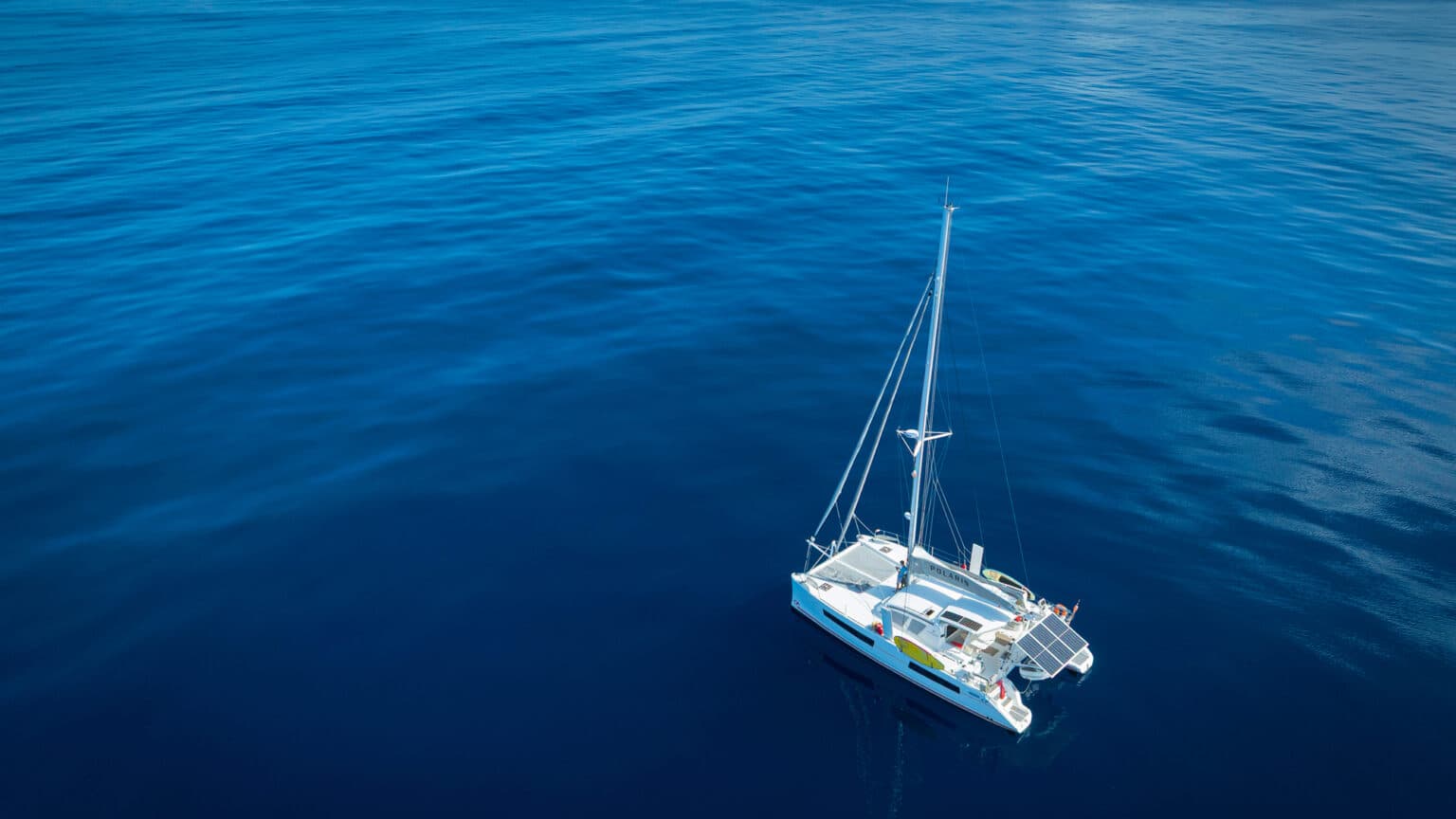
- Parts & repairs: import costs are high and specialised spares for catamarans such as a Catana 47 Polaris can be difficult to source locally.
- Refuelling: schedule fills in major ports; remote anchorages rarely offer fuel.
- Marine debris: plastic pollution and floating logs can be a navigational hazard after storms.
The seasonal wind and current picture
Indonesia sits astride the equator and lies outside major cyclone belts, but it is dominated by two monsoon regimes and frequent transitional wind windows. Light winds are common year‑round; many cruising catamarans rely on auxiliary power on long passages. Correctly timing a passage can mean the difference between pleasant sailing and extended motoring in diesel‑hungry conditions.
📚 You may also like
| Season | Months | Typical winds | Practical impact |
|---|---|---|---|
| South‑east dry season | June–September | SE trades across southern islands | Good for transits south of the equator, predictable reaches |
| Southern wet season | Dec–Feb | North‑westerlies in the south | Stormy, heavy rain; many passages become untenable |
| Northern wet season | June–Sept (north varies) | SW wet conditions in some northern zones | Localised squalls, different windows for north vs south |
Forecasting and local knowledge
Commercial products such as PredictWind and local radio reports are commonly used to pick favourable currents and avoid strong tide-over-wind effects in straits. Gathering on‑the‑ground advice from local fishermen and harbourmasters is essential before entering narrow channels or areas with dense fishing activity.
Anchorages, wildlife and coastal infrastructure
Protected anchorages across the country range from well-serviced marinas to pristine, undeveloped bays with minimal shore facilities. Islands like the Komodo National Park, Belitung and the Anambas archipelago offer excellent holding, clear water and high-quality snorkelling; these sites attract cruisers but require respect for local conservation rules and park management.
Top anchorage types encountered
- Protected bays with sandy bottoms and low swell — ideal for catamarans.
- Coral-fringed anchorages — excellent for snorkelers but require care to avoid damaging reefs.
- Stilted-village harbours — close cultural access but limited services.
Land encounters include rainforest wildlife onshore—monkeys, deer and, in parts of Kalimantan and Sumatra, large mammals—while marine life commonly seen from deck includes spinner dolphins, manta rays and whale sharks around productive fishing grounds.
Practical onboard management
Heat and humidity are operational realities: maintain ventilation, schedule morning and evening activities to avoid the midday heat, and be ready to reposition after storms. Lightning and electrical damage are real risks; isolating lithium batteries and protecting navigation instruments with surge mitigation is prudent when thunderstorms are forecast.
Checklist for tropical cruising
- Calibrated depthsounder and reliable chartplotter backups
- Strong mooring gear and multiple anchors for variable holding
- Spare parts for charging systems, instruments and running rigging
- Local currency, basic Bahasa phrases and village market etiquette
Human connections and culture ashore
Many coastal communities remain dependent on fishing and agriculture; daily markets are cultural hubs where fresh fish, fruit and staples are available. Interaction with locals is often facilitated by language exchange and small purchases — a simple provisioning stop can become a memorable cultural experience.
Risk profile for cruisers
Navigation hazards include unmarked nets and FADs (Fish Aggregating Devices), dense fishing fleets at night, and strong currents around straits. The Java Sea acts as a maritime highway: expect extensive fishing and commercial traffic, sometimes with limited electronic conspicuity from small craft. Planning conservative daylight transits and staying well clear of shipping lanes reduces exposure.
GetBoat and the cruising community
GetBoat always keeps an eye on news related to sailing and seaside vacations, as we truly understand what it means to enjoy great leisure and love the ocean. The service values freedom, energy and the ability to choose your own course, placing no limits on a good life and allowing users to find a vessel that suits preferences, budget and taste while viewing comprehensive make, model and rating details in advance.
Start planning your next cruise
This news and operational picture can shift regional tourism patterns if weather windows open or close; globally, the effect is incremental rather than transformational. However, the practical takeaway remains important for cruisers: start planning your next seaside adventure and make sure to book the best boat and yacht rentals with GetBoat before the opportunity sails away!
Exploring a new archipelago is always multifaceted: one learns about the culture, nature, the indescribable palette of local colours, its rhythm of life and the unique aspects of service. If you are planning your next trip to the sea, you should definitely consider renting a boat (boat rentals, rent a boat, rent a yacht), as each inlet, bay, and lagoon is unique and tells you about the region just as much as the local cuisine, architecture, and language GetBoat.com
In summary: cruising Indonesia requires careful logistics—customs timing, fuel planning, and awareness of monsoon windows—but rewards those who prepare with remote anchorages, rich marine biodiversity and unique cultural encounters. Whether you seek a relaxed charter, a technical passage under a capable captain, or a family cruise to clear sandy beaches and coral reefs, the right planning will let you enjoy yacht and boat life across these destinations. From marina stopovers to remote snorkeling, from fishing grounds to superyacht‑free anchorages, transparent platforms make charter, rent and sale options easier to compare. Book with confidence and set your course: clear water, sunseeker moments and unforgettable boating activities await. Happy voyaging.


