From Sextant to Silicon — Upgrading Cruising Electronics
Alexandra
A typical cruising battery bank must supply peak loads that vary with system configuration: a large MFD can draw 3–6A, a radar unit 8–15A, autopilot pumps 10–25A when active, and other sensors and comms add up quickly — planning energy logistics is therefore critical to continuous navigation and onboard comfort.
Evolution of Cruising Electronics: A Practical Overview
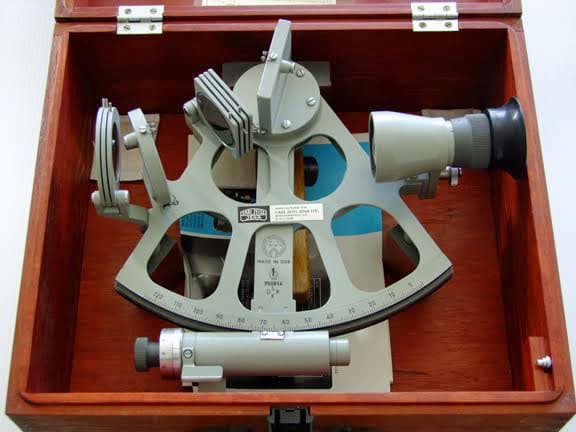
Navigation tools moved from sextant, RDF and paper charts to networked electronics that blend GPS, radar, AIS and integrated chartplotters. What was once a cockpit dominated by a magnetic compass, a depth sounder and a standalone speed log (such as the classic Walker towed log) is now an array of multiplexed sensors feeding central displays. The shift has reduced manual plotting but raised demands on power, redundancy and network design.
Key Historical Milestones
- Traditional navigation: sextant, dead reckoning and radio bearings.
- Introduction of standalone electronic instruments: depth, speed, wind.
- Integrated systems era: MFDs, AIS, radar, autopilots and satellite comms.
Core Building Blocks — Sensors, Displays and Networks
A modern cruising system relies on three pillars: sensors (GPS, depth, speed, wind, AIS, radar), displays (MFDs, tablets, remote units) and networks (NMEA 2000, Ethernet, Wi‑Fi). Proper cabling, junctions and secure power distribution determine whether the system will be reliable in saltwater conditions.
📚 You may also like
Common Sensors and Typical Consumption
| Device | Typical Draw | Function |
|---|---|---|
| Chartplotter / MFD | 3–6A | Navigation, chart overlay |
| Radar | 8–15A | Collision avoidance, target tracking |
| AIS Transceiver | 0.2–1A | Traffic awareness and transponder |
| Autopilot (pump) | 10–25A (peak) | Steering control |
| VHF / Satcom | 0.5–2A | Voice and data comms |
Network Hygiene and Interoperability
Combining devices from brands such as Simrad and B&G often requires attention to firmware compatibility. Use quality connectors, seal terminals against corrosion, and adopt dielectric grease to reduce intermittent faults. Running diagnostics and firmware updates on a schedule prevents unpleasant surprises at sea.
Power, Reliability and Redundancy
With more electronics onboard, energy management becomes a logistics task. Solar panels, alternators and generators must be sized to meet both continuous loads (radios, displays, instruments) and intermittent peaks (radar sweeps, autopilot bursts). For boats used in charters or rentals, serviceability and predictable uptime are essential to avoid guest complaints and operational disruption.
Backup Navigation and Fail‑Safe Options
- Paper charts for primary areas of operation.
- Handheld VHF and handheld GPS as independent backups.
- Tablets with offline charts and spare batteries.
- Separate AIS receiver or transponder redundancy where required.
What’s New in Marine Electronics for Cruisers
Recent innovations borrow from automotive and telecom sectors. Dual‑processor MFDs allow simultaneous mapping and radar processing without lag — B&G’s Zeus T7 is an example with specialized "Sail Time" calculations that account for tacks and currents. Wi‑Fi enabled systems mirror chartplotters to tablets and phones, transforming bunks and cabins into mobile nav stations. Affordable satellite internet like Starlink is changing weather routing and GRIB access, improving offshore decision making.
Smarter Sensors and Automation
Doppler and millimeter‑wave radar provide higher resolution target tracking and automatic threat highlighting. Integrated AIS‑VHF systems feed collision data to chartplotters. Automation aids such as advanced autopilots and sail‑time prediction simplify long passages and reduce crew fatigue — an advantage for both owner‑skippers and charter operators.
Prioritising Upgrades and Planning Your System
Costs range from budget GPS units around £150 to fully integrated systems exceeding £8,000. A phased upgrade path works well: begin with a reliable chartplotter and DSC VHF, add AIS and radar for offshore safety, and then integrate autopilot and networked displays. For rental fleets, prioritize durability, spare parts availability, and ease of use—guests expect intuitive systems and transparent information about make, model and ratings before they embark.
Checklist for Boat Owners and Charter Managers
- Assess energy budget and increase charging capacity if adding radar/autopilot.
- Standardize brands where possible to simplify spares and support.
- Document system diagrams for crew and renters.
- Schedule firmware checks and corrosion inspections quarterly.
How Electronics Trends Affect Sailing and Boat Rentals
Modern electronics influence charter operations: better navigation and safety systems increase the range of feasible routes, allow more confident skippering by less experienced renters, and improve customer satisfaction. Wi‑Fi mirroring and entertainment controls enhance onboard comfort for day charters or weeklong hires. For brokers and platforms, clear listings that include electronics specs (MFD type, AIS, radar, autopilot) help renters choose vessels that match their needs and skill level.
GetBoat always keeps an eye on news related to sailing and seaside vacations, as we truly understand what it means to enjoy great leisure and love the ocean. The service values freedom, energy, and the ability to choose your own course — placing no limits on a good life and allowing clients to find a vessel that suits their preferences, budget, and taste.
While the global tourism and travel map adapts to incremental tech advances, this particular wave of marine electronics represents a meaningful improvement in safety and convenience rather than a disruptive shift. It is still relevant to customers, and GetBoat aims to stay abreast of developments to keep pace with a changing world. If you are planning your next trip to the seaside, consider the convenience and reliability of GetBoat.
The topic’s highlights include improved situational awareness via radar and AIS, reduced energy draw from modern displays, and the importance of redundancy for safe cruising. Experiencing a new location remains a multifaceted process — you learn about local culture, nature, the palette of coastal colors, rhythms of life and unique service aspects. If you are planning your next trip to the sea, you should definitely consider renting a boat (boat rentals, rent a boat, rent a yacht), as each inlet, bay, and lagoon is unique and tells you about the region just as much as the local cuisine, architecture, and language GetBoat.com
In summary, modern cruising electronics merge navigation, communication, and automation to make passages safer and more enjoyable for owners, charter operators and guests alike. Prioritize a balanced energy budget, redundancy and clear documentation when upgrading systems. Whether you’re arranging a yacht charter, a day boat rental for fishing or beach hopping, or seeking a superyacht experience, platforms that offer transparency—listing make, model, ratings and equipment—help you choose the right vessel. GetBoat.com supports this approach by providing a global, user‑friendly solution for booking or buying yachts, boats and sailboats with clear specs and convenient search tools, ensuring memorable vacation experiences on the sea, ocean and lakes, whether you’re into yachting, fishing, marinas or clearwater cruising.


