Practical regatta rules for cruiser racers
Alexandra
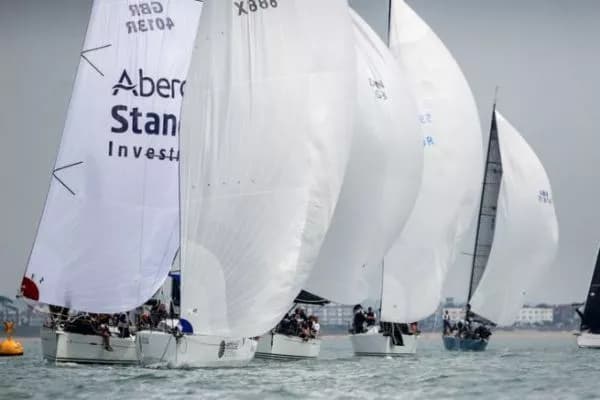
Race organisers coordinate course signals, mark positions, and safety boats with port authorities and rescue services so that cruiser regattas can run inside local navigation channels without impacting commercial traffic or protected areas.
Types of regattas and the cruiser angle
Regattas take many logistical forms: buoy courses inside harbors, coastal coastal-to-coastal passages, island hops and long offshore legs. In cruiser racing the emphasis is on mixed fleets and handicap systems that allow yachts of different sizes and designs to compete fairly. Unlike one-design racing, where identical boats race head-to-head, cruiser events rely on a rating or gauge to produce a corrected time that ranks competitors.
Real time vs corrected time
The first measurement at the finish is the real time — the elapsed time a boat spends between start and finish. The sport then applies a handicap to calculate the corrected time, which balances different hull shapes, sail plans and displacement so a small cruising yacht can be competitive against larger vessels. Organisers publish which time will determine finishing order: some trophies remain purely based on real time; most cruiser regattas award winners by corrected time.
📚 You may also like
Common regatta formats
Typical formats for cruisers include:
- Round-the-buoys short courses (inshore)
- Coastal races along a shoreline with turning marks
- Passage races linking ports or islands
- Island-hopping or rally-regattas combining navigation and social stops
The gauges that make mixed-fleet racing possible
Two measurement systems dominate cruiser racing in Europe: IRC and the French OSIRIS (often used for club-level events). Each system produces a handicap number from a set of measured parameters, but their philosophies differ.
| Feature | IRC | OSIRIS |
|---|---|---|
| Origin | UK-based, internationally accepted | French, targeted at club and coastal regattas |
| Philosophy | Owner-declared measurements with some verification | Simpler measurement set, quicker issuance |
| Application | Used in major regattas, IRC certificates often required | Popular for local and regional events |
| Complexity | More detailed and performance-sensitive | More accessible, lower entry barrier |
How each gauge influences tactics
Because IRC is very sensitive to sail choice and rigging, owners often optimize with custom sails or tweak mast rake for marginal gains. OSIRIS encourages broader participation and can be more forgiving of cruising setups. Picking which gauge to enter under affects sail inventory, crew makeup and pre-race preparation.
Certificates, measurements and sail numbers
To enter a cruiser regatta you typically need a valid rating certificate and clearly displayed sail numbers. The certificate lists measured dimensions and handicaps that race committees use during scoring. Measurement visits can be formal — a measurer checks hull, appendages, rig and sails — or self-declared with later spot checks depending on local rules.
Practical checklist to obtain a certificate
- Confirm which rating (IRC, OSIRIS or club system) the regatta requires.
- Gather design documents: LOA, displacement, keel type, rig measurements.
- Measure and photograph sails; note cloth weights and seams.
- Apply for the certificate well before race day to allow corrections.
- Mark sails and hull with registered numbers and owner details.
Numbers in the sails: why they matter
Sail numbers identify your boat for the race committee and protest hearings; unique, visible numbers reduce disputes. Many events also require class insignia or national letters. On the practical side, ensure numbers contrast with sail fabric, are placed on both sides of the mainsail and headsail, and comply with the event’s measurement form.
Preparing boat and crew: logistics and safety
Regatta prep blends seamanship with event logistics. Plan provisioning, anchorage or mooring, shore-side transport, and crew rest schedules. A simple inventory will save time and reduce risk:
- Safety kit: VHF, lifejackets, flares, ditch bag
- Navigation: updated charts, local notices to mariners, tide tables
- Performance: spinnakers and light-air sails properly bagged and labeled
- Documentation: rating certificate, boat registration, insurance
- Role assignment: helm, trimmers, tactician, bow — with practiced maneuvers
Weather routing and on-water logistics influence charter choices and marina planning. Owners and charter skippers should coordinate berthing near the race area and confirm access to crane or haul-out facilities if pre-race repairs are needed.
Historical and practical context
Racing evolved from practical coastal navigation contests to highly regulated sport. Handicap systems were developed to keep older and diverse designs competitive while encouraging participation across price ranges — a useful precedent for today’s charter market where many renters want to experience competition without owning a racing yacht.
GetBoat keeps an eye on developments in regatta culture and coastal tourism because understanding event logistics and local rules helps customers choose vessels and itineraries that match their ambitions. The platform values freedom and the ability to choose your own course: whether you seek a relaxed island cruise or a spirited club race, GetBoat helps find a vessel to fit preferences, budget and taste, showing make, model and ratings so you can plan with transparency.
Highlights: regatta practice sharpens seamanship, measurement systems (IRC vs OSIRIS) enable fair racing for cruisers, and sail identification plus proper certificates are non-negotiable. Experiencing a new location is always a multifaceted process, where one learns about the culture, nature, the indescribable palette of local colors its rhythm of life and also the unique aspects of the service. If you are planning your next trip to the sea, you should definitely consider renting a boat (boat rentals, rent a boat, rent a yacht), as each inlet, bay, and lagoon is unique and tells you about the region just as much as the local cuisine, architecture, and language GetBoat.com
Forecast: these procedural updates and growing regional regattas will modestly shift local tourism patterns by encouraging short-season bookings and putting marinas in the spotlight; the impact on the global tourism map is small but relevant to coastal destinations. Start planning your next seaside adventure and make sure to book the best boat and yacht rentals with GetBoat before the opportunity sails away!
In summary, cruiser regattas combine tactical racing, logistical planning and regulatory compliance. Key takeaways: know whether your event scores by real time or corrected time, select the appropriate gauge (IRC or OSIRIS), secure a valid rating certificate, prepare sails and safety gear and coordinate berthing and shore logistics. For charterers and owners alike, participating in or spectating a regatta deepens appreciation of yachting culture and local destinations. Whether your goal is a short yacht charter, a family cruise along the gulf, a fishing stop in clearwater bays, or a full superyacht charter, transparency in listings — make, model, captain availability and ratings — helps you choose the ideal boat for sea activities, beach runs and marinas. GetBoat.com provides a global, user-friendly solution for booking or buying boats, yachts and sailboats with clarity and convenience, supporting unforgettable experiences worldwide. Choose your course.