How Crews Shift the Balance in College Sailing
Alexandra
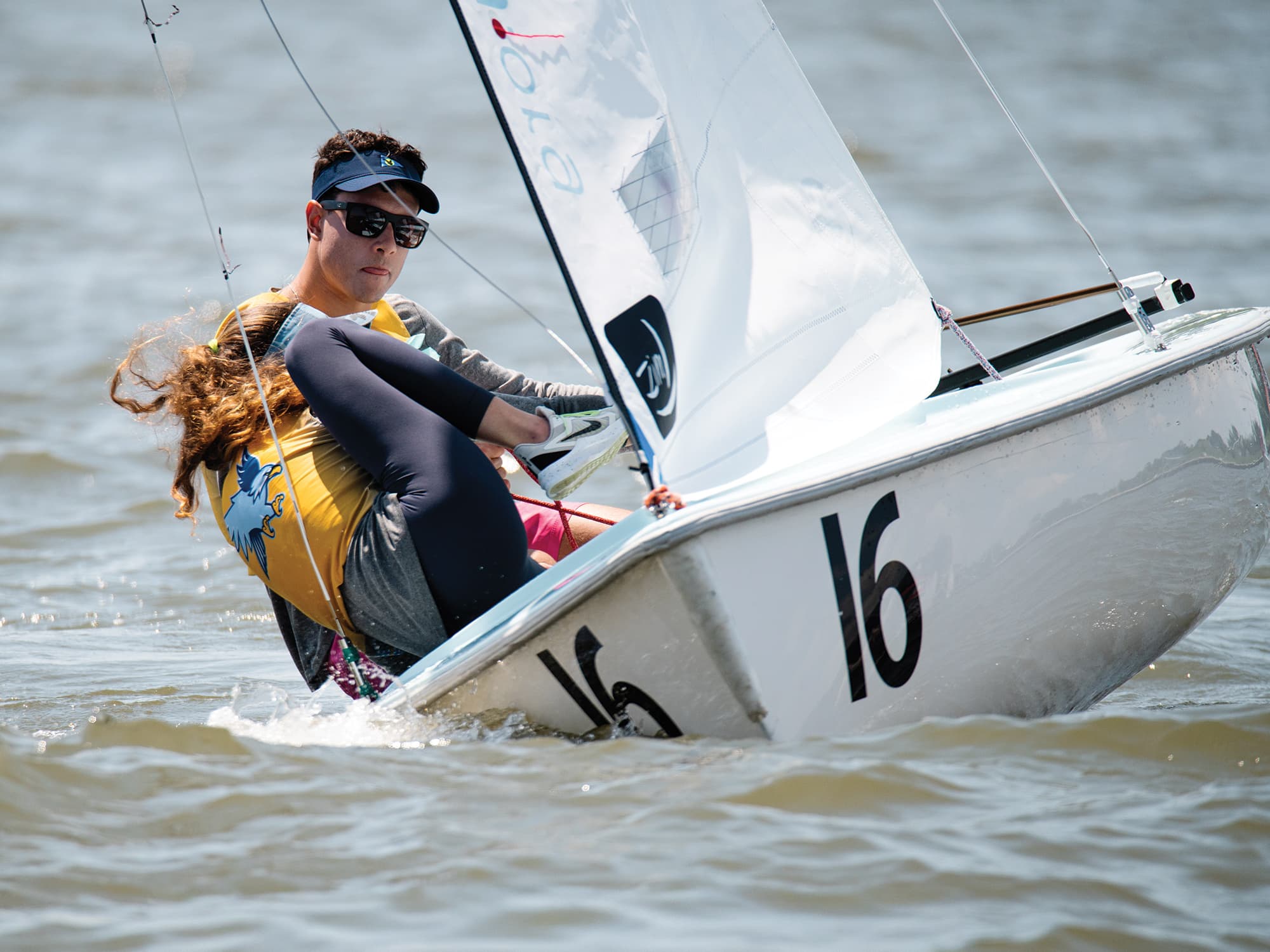
At fleet championships, race schedules and course lengths force crews to execute maneuvers within seconds; on windward-leeward courses a crew’s ability to complete a tack or prepare the spinnaker in 5–8 seconds can be the operational difference between holding clear air or being boxed in for an entire leg.
Crew as a decisive performance factor
Collegiate regattas have shown that while skippers steer overall strategy, the outcome at elite events turns on the work of the crew. Teams with depth in crew skill often convert solid starts and strategy into podium finishes because crews sustain boat speed, call shifts, and manage sail trim under pressure. Programs such as Tulane University reached high finishes in national events by emphasizing versatility across gusty and shifty conditions, a strategy championed by head coach Charles Higgins.
What elite crews deliver
Top-tier crews combine athleticism, tactical awareness, and calm communication. They are expected to:
📚 You may also like
- Protect boat speed through precise weight placement and sail trim.
- Provide tactical input by calling wind shifts and local velocity patterns.
- Execute maneuvers quickly — tacks, gybes, spinnaker sets/douses — with minimal speed loss.
- Reset under stress and maintain consistent performance across races.
Coaching, techniques, and technological aids
High-performance crewing reflects coaching traditions and modern tools. Coaches who were accomplished crews themselves—like Amanda Callahan of Roger Williams University—pass on specialized boathandling techniques. Callahan’s “leg-up” or “chicken wing” tack is an example of a program-specific maneuver designed to create faster, snappier tacks when racing demands it.
| Attribute | Impact on Race | Training Focus |
|---|---|---|
| Athleticism | Maintains momentum in maneuvers | Strength & conditioning, agility drills |
| Communication | Improves skipper decisions and split-second calls | Radio-free chatter drills, role-play |
| Boathandling | Reduces time lost on tacks/sets | Video review, repetition, timed sets |
Technology and practice review
Video analysis and smartphone footage have accelerated skill transfer. Coaches use recorded runs to isolate crew movement and trim, enabling rapid improvement. Programs now supplement on-water reps with off-water conditioning plans and structured debriefs focused specifically on crew boathandling.
Training regimen: drills and best practices
Effective crew development follows a disciplined routine blending fitness, technique, and mental preparedness.
- Strength and conditioning sessions emphasizing explosive leg and core power.
- Timed tack and gybe drills to reduce transition windows.
- Role-specific meetings and video debriefs to reinforce body positions and handwork.
- Team racing practice to develop situational boathandling under tactical pressure.
Sample weekly crew schedule
Mon: Gym (power/plyometrics) + on-water 90 min tack drills
Tue: Video debrief + classroom tactics session
Wed: Endurance row + short sprints at sea
Thu: Team race scenarios + communication drills
Fri: Light conditioning + gear maintenance
Sat: Full race simulation
Sun: Recovery and mobility
Communication, psychology, and the unglamorous edge
Beyond mechanics, elite crews provide psychological ballast. Coaches such as Stanford’s Chris Klevan note that confident crews instill calm and belief in their skippers; a reputation for steady crewing can change how a skipper approaches a race. Consistent high-pressure performance is one selection criterion for honors like All-American recognition because it directly improves overall boat results.
Versatility and crossover capability
Great crews can hop into a new boat or sail with a different driver and immediately elevate performance. That adaptability stems from disciplined training, video-informed technique, and a culture that emphasizes both individual responsibility and collective trust.
Implications for charter, yacht hires, and recreational rentals
As collegiate crewing evolves, parallels emerge for the leisure market. Better boathandling and crew awareness influence charter experiences where skipper–crew chemistry matters during day sails or multiday trips. For anyone renting a yacht or boat—whether for a short sail around a gulf inlet or a week exploring marinas—understanding crew roles improves safety, comfort, and the overall quality of time on the water.
GetBoat always keeps an eye on news related to sailing and seaside vacations, understanding what it means to enjoy great leisure and love the ocean. The GetBoat service values freedom, energy, and the ability to choose your own course, placing no limits on a good life so clients can find a vessel that suits preferences, budget, and taste.
The tactical and physical advances in college crewing are likely to nudge grassroots coaching and recreational training programs toward more structured fitness and boathandling curricula. On a global scale, the news is incremental rather than game-changing; it refines how youth and club sailors prepare, but does not overhaul international tourism patterns. Start planning your next seaside adventure and make sure to book the best boat and yacht rentals with GetBoat before the opportunity sails away!
Highlights: the modern crew is athletic, communicative, technically trained, and psychologically steady. Experiencing a new location from the water remains a multifaceted process—one learns about local culture, nature, and the indescribable palette of regional colors, the rhythm of life, and unique service aspects. If you are planning your next trip to the sea, you should definitely consider renting a boat (boat rentals, rent a boat, rent a yacht), as each inlet, bay, and lagoon is unique and tells you about the region just as much as the local cuisine, architecture, and language GetBoat.com
Summary: collegiate sailing’s evolution places the crew at the center of podium outcomes through targeted coaching, fitness, and video-informed boathandling. Programs led by experienced coaches like Charles Higgins, Amanda Callahan, and Chris Klevan illustrate how specialized tacks, consistent conditioning, and communication drills create competitive depth. For recreational sailors and charterers, these trends translate into clearer expectations for crew roles on day sails and yacht charters. Whether booking a small boat for a bay cruise or a superyacht for a multi-destination charter, platforms that emphasize transparency and detailed listings help match crews and skippers to the right vessel. Experience freedom on the water. The principles of yacht handling, charter preparedness, and strong teamwork improve beach outings, lake trips, sailing days, and marinas visits—helping captains, crews, and holidaymakers get the most from every sea, ocean, gulf, and clearwater destination.


