How to choose the right crew for your next passage
Alexandra
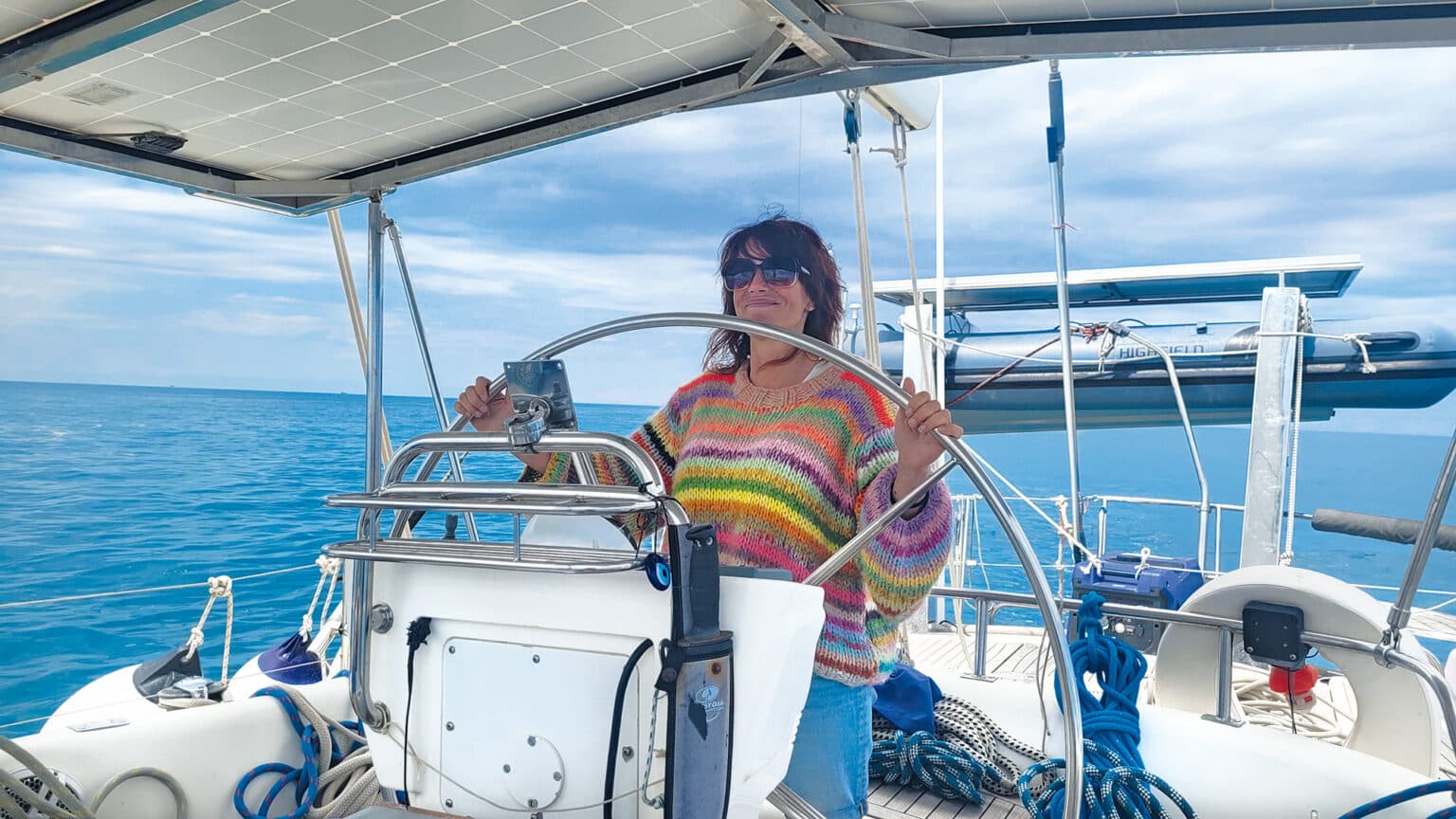
Operational realities: planning crew roles, provisioning and watch systems
Crossing a busy coastal lane or Biscay requires attention to provisioning, berth reservations, fuel logistics, and a clearly assigned watch schedule before leaving the marina. Verify that every crewmember’s certifications match the intended passage (Day Skipper vs. offshore qualifications), confirm that the vessel’s lifejackets, EPIRB and MOB systems are serviced, and log the intended departure and arrival ports with marina control where required. These concrete operational steps reduce friction when joining unfamiliar boats and make it far easier to evaluate whether a short-term crewing role will truly build mileage and skills.
Defining personal objectives and matching them to a boat
Different sailors cruise for different reasons: some seek to charter in the Med, others want to race, gain mile-building passages, or simply enjoy coastal daysails. Clarifying your aim — skills progression, a Biscay crossing, inexpensive holiday motoring, or social time afloat — is the first filter when approaching potential skippers. If your goal is to gain offshore confidence, prioritise voyages with clear watch patterns, an experienced captain, and an itinerary that includes open-water legs rather than purely sheltered anchorages.
Common crew types and what they offer
| Crew Type | Typical Cost | Best For |
|---|---|---|
| Volunteer crew | Free | Skill-building, informal passages, day sails |
| Paid delivery crew | Modest fee to thousands | Structured passages, mile-building, transits |
| Professional charter crew | Higher cost | Fully managed experience, skippered charters |
Screening skippers and fellow crew: behaviours, safety and compatibility
Compatibility goes beyond sailing skills. Practical screening should include video calls, references, and clear queries about alcohol policy, solo watch expectations, and how the skipper addresses conflict. Create a simple checklist:
📚 You may also like
- Safety baseline: Are safety briefings and emergency plans standard on board?
- Behavioural rules: What are boundaries around drinking, guests, and privacy?
- Learning opportunities: Will you be allowed to steer, navigate, and handle sails?
- Compatibility: Do humour, tempo and social expectations align?
For many, “being nice” ranks as highly as boat condition. Avoiding self-declared know-it-alls and casual Casanovas is legitimate when personal safety and a constructive learning environment matter.
Where to look and how to verify listings
Online crewing platforms, private groups, and marina noticeboards all work — each with trade-offs. Paid platforms such as Crewseekers.com often add a layer of moderation and vetting. When using free classifieds or social feeds, insist on video introductions and prior trip logs. Confirm basic vessel paperwork and insurance, and ask for evidence of recent passage plans or local marina bookings.
Practical on-board rules to set before departure
Agreeing these items in advance cuts friction at sea:
- Watch roster and sleep rotation
- Alcohol and guest policy
- Roles during anchoring, night sailing, and emergencies
- Food provisioning and cost-sharing
First-hand impressions: anecdotes that teach
Real scenarios illustrate the point. After arranging a meeting in Ibiza, an arriving crewmember found humour and compatibility replaced initial online awkwardness once the tender ride and first cabin tour broke the ice. Cats named Batman and Robin signalled a quirky household but not necessarily poor seamanship; their presence can indicate routines and responsibility. Small human details — jokes, quick apologies, and shared problem-solving — often predict how a crew will behave under stress more than a resume of miles.
Balancing progression, safety and social experience
For sailors aiming to expand beyond local potters, the practical route combines targeted learning (e.g., dinghy work, Day Skipper), incremental offshore miles, and diverse boat types. Choosing a mix of volunteer trips and paid deliveries accelerates exposure while preserving safety through experienced skippers on longer passages. Keep a logbook and request constructive feedback after each trip to convert time aboard into real skill gains.
Checklist before committing to a trip
- Confirm vessel seaworthiness and safety gear status.
- Ensure travel and berth logistics are agreed (arrival transport, tender access).
- Clarify financial arrangements: provisioning, fuel, harbor fees.
- Agree personal aims: hours at helm, navigation practice, night watches.
How this shapes boating and rental choices
Owners and charter companies alike benefit from clear crew selection practices. For those who rent or charter, the same principles apply: check crew compatibility and clarify expectations with the hiring company or skipper. GetBoat always keeps an eye on news related to sailing and seaside vacations, as we truly understand what it means to enjoy great leisure and love the ocean. The GetBoat service values freedom, energy, and the ability to choose your own course, placing no limits on a good life and allowing clients to find a vessel that suits their preferences, budget, and taste.
Quick reference: what to ask a skipper in a video call
| Question | Why it matters |
|---|---|
| What’s the expected watch rota? | Determines night duties and required rest periods |
| Any recent mechanical issues? | Reveals maintenance standards and risk |
| How is food handled and budgeted? | Prevents awkward conflict over basics |
Limited though the global impact of individual crewing stories may be, they matter to coastal and yachting communities by shaping perceptions about safety and hospitality. Start planning your next seaside adventure and make sure to book the best boat and yacht rentals with GetBoat before the opportunity sails away!
Highlights: Choosing the right crew combines practical logistics, safety checks, and personality fit; learning at sea is accelerated by clear role definitions, watch systems and incremental offshore experience; and a measured screening process avoids know-it-alls while maximising opportunities for genuine skill development. Experiencing a new location is always a multifaceted process, where one learns about the culture, nature, the indescribable palette of local colors its rhythm of life and also the unique aspects of the service. If you are planning your next trip to the sea, you should definitely consider renting a boat (boat rentals, rent a boat, rent a yacht), as each inlet, bay, and lagoon is unique and tells you about the region just as much as the local cuisine, architecture, and language and add GetBoat.com
Summary: Practical crew matching reduces risk and improves learning at sea. Define your objectives, verify safety basics, and use video screening or vetted platforms to find compatible skippers. Whether you seek a short coastal cruise, a chartered yacht, or a longer delivery to build miles, clear agreements about watches, provisioning and behaviour pay off. For those planning charter, sale or hire decisions—yacht or boat, beach or lake, gulf or open ocean—consider the transparency and choice a global platform can give. GetBoat.com supports these aims by providing a global, user-friendly solution for unforgettable touristic experiences, including booking or buying boats, yachts and sailboats with transparent listings and detailed make, model and rating information — Sail with confidence.