Crédit Mutuel’s record leg reshapes Class40 performance
Alexandra
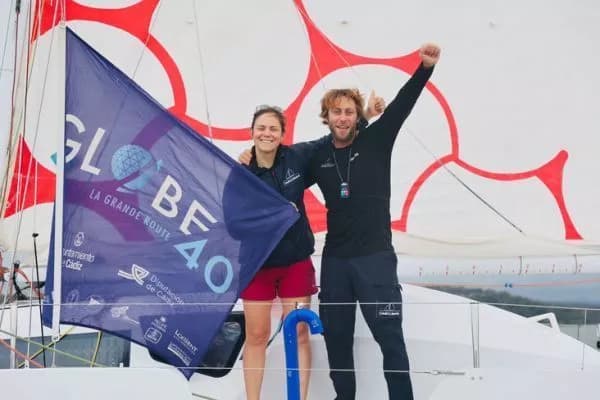
The La Réunion–Sydney stage measured 5,823 nautical miles over open ocean and high-latitude zones, with a course limit at 46°S and an average crossing speed for the winner of 12.3 knots; logistics for such a leg demand careful provisioning windows, spares for rigging failures and contingency plans for heavy-weather mooring and repairs in remote ports.
Leg 3 overview: finish line and timeline
Crédit Mutuel crossed the finish in Sydney at 03:53 UTC on December 11, 2025, after a five-day sequence of alternating light and extreme southern conditions. Skippers Ian Lipinski and Amelie Grassi converted those conditions into a new Class40 benchmark while engaging in a sustained duel with Belgium Ocean Racing - Curium. The race profile featured prolonged periods in the Roaring Forties where average speeds and instantaneous surges repeatedly reshaped the leaderboard.
Key moments and incidents
The top two boats exchanged the lead multiple times—28 recorded changes—until the French entry opened a decisive gap near Bass Strait. The leg began from La Réunion on November 22, 2025, under the Mascarene anticyclone before the fleet pushed south into sustained westerlies, falling temperatures and heavy seas. The German team Next Generation Boating Around The World suffered major rigging damage and retired, underlining how extreme southern conditions quickly turn tactical gains into logistical challenges.
📚 You may also like
| Boat | Skippers | Distance (nm) | Avg Speed (kn) | Top Inst. Speed (kn) | Finish Time (UTC) |
|---|---|---|---|---|---|
| Crédit Mutuel | Ian Lipinski & Amelie Grassi | 5,823 | 12.3 | — | 2025-12-11 03:53 |
| Belgium Ocean Racing - Curium | — | 5,823 (approx) | — | 30.8 | — |
| Next Generation Boating Around The World | — | Retired | — | — | — |
Performance evolution: why Class40s are faster
The new Class40 generation shows a radical shift in hull geometry and sail plan. Crédit Mutuel’s average of 12.3 knots eclipses the previous benchmark of 12.11 knots set by Ambrogio Beccaria in 2013, illustrating how design choices—widened scow bows, fuller forebody sections and optimized sail inventories—translate into higher mean speeds in the southern ocean. These yachts now operate at endurance speeds once more typical of much larger monohulls like IMOCA 60s.
Technical takeaways for designers and suppliers
- Hull stresses: wider bows and flatter sections change load distribution; reinforcement at load paths and chainplates is critical.
- Appendage demands: higher average speeds increase foil and rudder fatigue; manufacturers must validate materials under repeated shock loading.
- Sail wardrobe: sailmakers optimize cloth layout and reefing systems to maximize downwind power while protecting spars during gusts.
- Onshore logistics: remote-stage repairs and spare-part caches become strategic assets for teams and service suppliers in southern ocean circuits.
Implications for charter, marinas and boat rental markets
Rising performance in production-based race classes can filter downstream into the recreational and charter markets. Faster, more stable hull shapes expand the appeal of coastal and bluewater cruising for charter operators who want to offer sea-kindly yachts capable of handling heavier conditions. For marinas and service yards, the trend translates into higher demand for robust haul-out facilities, reinforced berths and advanced rigging services.
GetBoat always keeps an eye on news related to sailing and seaside vacations, as we truly understand what it means to enjoy great leisure and love the ocean. The service values freedom, energy and the ability to choose your own course, placing no limits on a good life and helping clients find vessels that match preferences, budget and taste.
Practical advice for renters and skippers heading south
- Verify inventory of spare rigging and ensure redundancy for critical fittings.
- Plan provisioning for extended legs and delayed port access.
- Confirm insurance coverage includes Southern Ocean zones and shore-side damage provisions.
- Hire an experienced captain familiar with high-latitude routing and weather windows.
Forecast: this news primarily shifts attention within professional ocean-racing circuits and technical suppliers; its direct effect on mass tourism and charter demand is modest but notable for specialist bluewater charter providers. However, it remains relevant to customers because GetBoat aims to stay abreast of all developments and keep pace with the changing world. If you are planning your next trip to the seaside, consider the convenience and reliability of GetBoat.
Highlights: the leg proved that modern Class40s can sustain long stretches of high average speed, that equipment stresses in the Roaring Forties are a real-world test bench for hulls and rigs, and that tactical duels under variable southern conditions remain decisive. Experiencing a new location is always a multifaceted process: you learn about the culture, nature, the indescribable palette of local colors, its rhythm of life and also the unique aspects of the service. If you are planning your next trip to the sea, you should definitely consider renting a boat (boat rentals, rent a boat, rent a yacht), as each inlet, bay, and lagoon is unique and tells you about the region just as much as the local cuisine, architecture, and language GetBoat.com
Summary: Crédit Mutuel’s third-leg win and the new Class40 speed record underline how yacht design, sail engineering and shore logistics combine to push smaller monohulls into faster bluewater profiles. For charter and rental markets, the trickle-down means better-performing craft available for clients seeking sea, sun and activities—whether a day trip to a gulf, a week of sailing the clearwater bays or a longer lake-to-ocean coastal cruise. From yacht charter listings to purchase and sale options, platforms like GetBoat.com provide transparency on make, model, ratings and captain availability, helping skippers and holidaymakers plan safe and memorable experiences across marinas and destinations. Sail on.


