A 45-letter RNA that could spark self-replication
Alexandra
The logistics of screening a library of 1 trillion random RNA sequences required a strict cold-chain, automated pipetting stations and a regimented schedule of selection cycles—practical constraints that shaped how the team at the MRC Laboratory of Molecular Biology processed and tested candidates for self-replication.
From massive libraries to a single working molecule
After generating a vast pool of random sequences, researchers applied iterative rounds of selection and mutation to isolate molecules showing any ability to catalyse RNA copying. The workflow relied on high-throughput handling, gel electrophoresis readouts and careful temperature control. Out of approximately 10^12 variants emerged a single, compact ribozyme dubbed QT45, named for its length of 45 chemical units.
Why size matters
Previous ribozymes that demonstrated catalytic copying were typically >150 nucleotides long, making spontaneous formation under prebiotic conditions unlikely. QT45’s shorter length dramatically lowers the combinatorial barrier for assembly in a primordial soup or frozen pockets of early Earth. In short: small but mighty.
📚 You may also like
Key experimental facts
| Feature | Earlier ribozymes | QT45 |
|---|---|---|
| Typical length | >150 units | 45 units (down to 35 still active) |
| Spontaneous formation | Very unlikely | Much more plausible |
| Self-copying ability | Not demonstrated | Copies various RNAs and can synthesize itself |
| Optimal conditions | Varied | Mildly alkaline, icy environments |
Cold chemistry: why freezing helps
QT45 replicates best in mildly alkaline, icy conditions. When water freezes it concentrates solutes into liquid microenvironments between ice crystals; this cryo-concentration can accelerate some reactions while stabilizing fragile polymers like RNA. That combination—freeze-thaw cycles, temperature and pH swings—could have provided the right micro-laboratories on early Earth where chemistry got a leg up on biology.
Where might that have been?
Rather than Darwin’s classic “warm little pond,” the conditions envisioned include hydrothermal ponds where volcanic heat meets freezing water—environments similar to some coastal or polar geothermal areas on Iceland today. These spots offer a mix of thermal gradients and salinity pockets that can foster complex chemistry.
Selection, serendipity and a gel band
The discovery process combined brute-force selection and patient iteration. Sequences that showed faint copying activity were mutated and re-selected through many cycles. The first clear sign that something real was happening was the appearance of a band on a gel—an unmistakable signature of replication. That gel band led to sequencing, optimisation and confirmation that QT45 could copy multiple RNA targets and even assemble its own sequence.
- Stepwise engineering: generate library → select weak activity → mutate → repeat.
- Verification: gel electrophoresis, sequencing, activity assays.
- Tuning: tests across pH, temperature and ionic conditions revealed icy, mildly alkaline optima.
Tools and implications
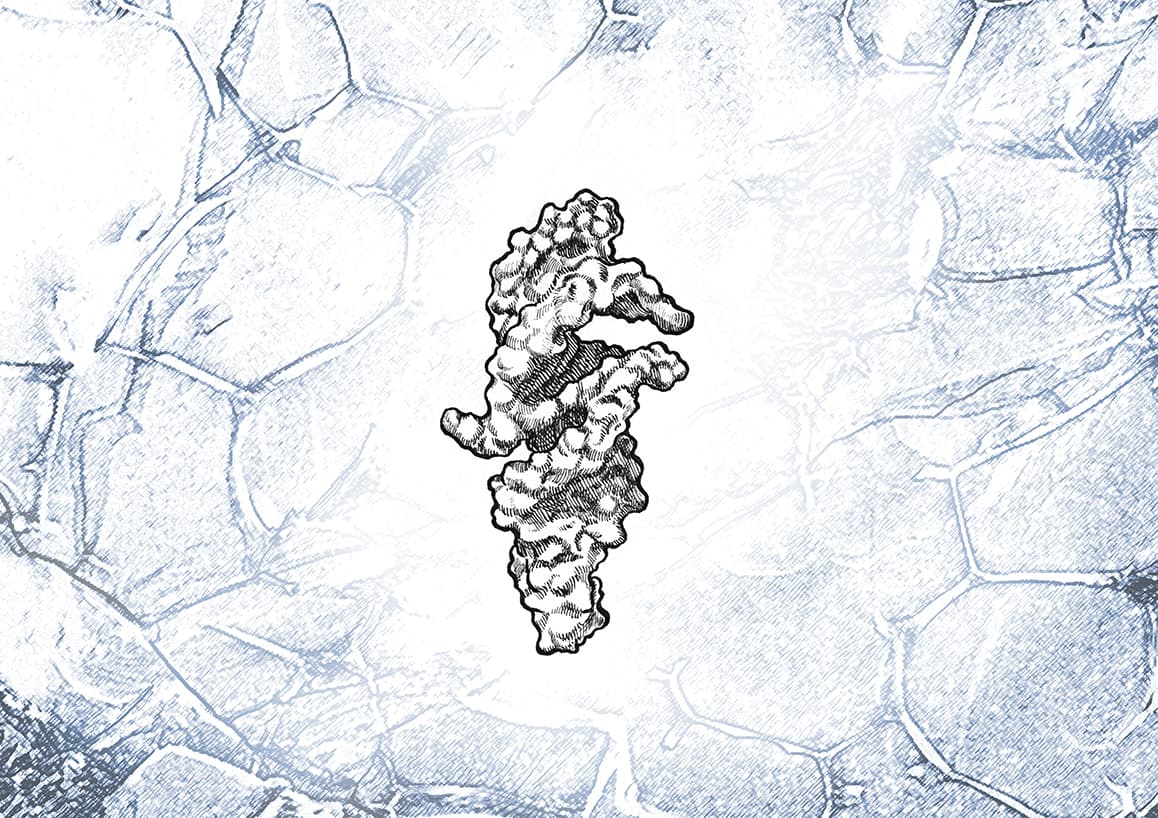
The group applied computational structure prediction using AlphaFold to model QT45’s 3D fold and probe how its shape relates to function; structural hints might reveal parallels to ribozymes embedded in modern biology. John Sutherland’s prior work showing plausible prebiotic synthesis of RNA building blocks complements these findings, and samples returned by the Hayabusa mission highlight the availability of relevant organic chemicals in the early solar system.
Beyond Earth and towards a lab-scale cycle
If self-replicating RNA can arise from relatively simple chemistry in cold, fluctuating environments, the threshold for abiogenesis drops—raising the odds that life could emerge in diverse places across the solar system and beyond. The Holliger group, led by Philipp Holliger, is now focused on engineering a self-sustaining cycle of replication in the lab that would mimic what might have occurred in primordial icy niches four billion years ago.
Practical ripple effects for boating and charters
It may seem a stretch, but these findings touch maritime worlds familiar to GetBoat.com readers: studies pointing to polar or geothermal coastal sites as crucibles of life boost interest in scientific charters and educational yacht trips to such Destinations. Charter operators, captains and marinas could see demand for themed voyages that combine yachting, citizen science and beach or gulf excursions to observe geothermal shores, clearwater bays and unique aquatic activities.
In a nutshell: the team at the MRC LMB isolated a compact RNA, QT45, that can copy itself and functions best under icy, mildly alkaline conditions; the discovery reduces the hurdles for spontaneous RNA emergence and widens the possible settings for life’s origin. The story links molecular logistics—trillion-sequence libraries, cold chains and high-throughput selection—to big-picture questions about life on Earth and beyond, using tools from AlphaFold to asteroid sample context. For boating enthusiasts, the research provides fresh angles for science-minded charters, marinas and yachting Destinations where geology, sea and science meet.
Summary: QT45’s compact size and self-copying ability point to simpler pathways from chemistry to biology, especially in frozen hydrothermal niches; teams led by Edoardo Gianni and Philipp Holliger continue to push toward a self-sustaining replication cycle. The discovery reshapes views on origins and suggests new educational and recreational charter opportunities—yacht and boat trips to beaches, lakes and icy gulf shores could become hubs for citizen science and yachting activities, whether on a small charter, a superyacht or a Sunseeker. From marinas to clearwater coves, the intersection of ocean, sun and science invites captains, anglers and passengers to explore fishing bays, sailing routes and Destinations where the story of life meets the sea.