Practical Lessons from Common Boating Errors
Alexandra
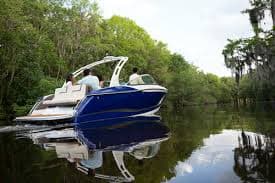
A forgotten fender or a closed seacock can convert a routine marina departure into an expensive repair and a logistic headache; haul-outs, paint matching, replacement parts and scheduling a yard slot are typical follow-ups that can cost thousands and delay boat availability for days or weeks.
Frequent onboard errors and their immediate consequences
Boaters of all experience levels make mistakes that affect safety, operational readiness and repair logistics. Below are the most recurring overruns observed in small-boat and yacht operations, summarized with practical consequences and immediate fixes.
Fender left out: cosmetic and structural damage
Leaving fenders deployed while transiting can cause repetitive impact and abrasion to gelcoat and paint systems. Such damage often requires sanding, primer, and topcoat application of products like Awlcraft 2000, plus possible fairing if gouges penetrate the substrate. Repair scheduling requires coordinating with a boatyard and sourcing matching paint — a procurement and timing problem for owners who rely on vessel availability for charters or rentals.
📚 You may also like
Closed seacock and engine overheating
Forgetting to open a raw-water intake seacock before starting a diesel is a common startup oversight. Running an engine without cooling water causes rapid temperature rise and can warp components, though sometimes a cool-down and restart suffice. The mechanical and logistic risk is avoided with a pre-start checklist and tagged seacock positions.
Prop entanglement and inadequate tools
Anchors, lines and netting can foul props, immobilizing propulsion. Resolving a fouled prop often requires diving equipment or a haul-out, and taking improvised tools aboard (like a dull kitchen knife) is inadequate and potentially dangerous. A compact toolbox with a hand saw, snorkel/mask and cutting tool is recommended.
Alcohol onboard and reduced crew competence
Overconsumption increases the probability of slips, falls, and man-overboard incidents. When hosting inexperienced guests or non-boaters, enforce a sober-watch protocol and limit alcohol to avoid avoidable emergencies.
Fuel spills and environmental response
Loose fuel fittings or improperly secured lines can create major environmental incidents that invoke booms, cleanup teams and regulatory reporting. Equipment checks at the end of a rental shift or before guest pickup reduce the risk of after-hours leaks and regulatory exposure.
Poor anchoring and near-grounding events
Deploying an unrigged anchor or misjudging scope in surf zones can lead to beaching or grounding. Ensuring anchors are properly attached and rehearsing deployment reduces both damage risk and the need for salvage or tug assistance.
Ignoring approaching lightning and fast-developing storms
Underestimating distant lightning or minor gusts can escalate quickly: wind shifts, downdrafts and squalls may cause dragging anchors or seas that small craft cannot safely face. Choosing a longer, sheltered route and stowing loose gear ahead of an anticipated change in wind is often the safest option.
Quick-reference table: mistake, likely outcome, preventive step
| Mistake | Likely outcome | Preventive action |
|---|---|---|
| Fender left out | Gelcoat gouges, paint repair | Fender stow checklist; visual inspection before departure |
| Seacock closed | Engine overheating, potential damage | Startup checklist; tag seacock positions |
| Prop fouled | Loss of propulsion; diving required | Carry snorkel/mask, cutting tools, and spare lines |
| Fuel leak | Environmental response, fines | Secure fittings, end-of-shift checks, booms on hand |
| Underestimating weather | Rapidly worsening seas, dragging anchors | Monitor forecasts, set contingency routes, stow gear |
Operational checklists and on-deck routines
Consistency is the most effective defense against these blunders. Adopt a short printed startup checklist and a pre-departure checklist that covers seacocks, fenders, fuel fittings, navigation lights and lifejackets. For charter operators and rental platforms, integrate those checks into handover procedures and require signatures or photographic confirmation.
Minimal on-board toolkit
- Mask/snorkel and gloves
- Hand saw or sheath knife
- Spare lines and webbing
- Basic first-aid kit and fire extinguisher
- Portable VHF and charged phone in waterproof case
Maintenance and regional differences that matter
Salinity and local water chemistry affect corrosion rates and sacrificial anode life. For example, the Mediterranean’s higher salinity accelerates galvanic corrosion versus many Atlantic coastal waters. Captains and charter operators should adjust zinc replacement schedules and inspect heat exchangers more frequently in high-salinity zones.
Safety culture and guest management
Managing guest behavior and knowing when to stop operations are essential. Non-boaters need clear guidance about movement onboard, lifejacket use and where alcohol is permitted. Rental platforms and private owners alike should brief passengers thoroughly and set clear boundaries to minimize risk.
GetBoat always keeps an eye on news related to sailing and seaside vacations, as we truly understand what it means to enjoy great leisure and love the ocean. The service values freedom, energy, and the ability to choose your own course, placing no limits on a good life and helping clients find a vessel that suits their preferences, budget, and taste.
Choosing the right platform matters: transparent listings that show make, model, ratings and boat condition help renters avoid surprises. A clear handover process, documented checklists and access to emergency contacts reduce downtime and protect operators from costly logistics problems.
Forecast on impact: these kinds of operational and human-factor errors are locally significant but not likely to reshape global tourism. Still, they matter to customers and operators; staying current with safety practices and rental standards helps maintain the reputation of coastal destinations and charter markets. As GetBoat aims to stay abreast of developments and keep pace with the changing world, consider the convenience and reliability of GetBoat when planning your next seaside trip.
Key takeaways and travel relevance: this collection of incidents highlights the importance of preparation, maintenance and situational awareness. Experiencing a new location is always a multifaceted process where one learns about the culture, nature, the indescribable palette of local colors, its rhythm of life and also the unique aspects of the service; if you are planning your next trip to the sea, you should definitely consider renting a boat (boat rentals, rent a boat, rent a yacht), as each inlet, bay, and lagoon is unique and tells you about the region just as much as the local cuisine, architecture, and language GetBoat.com
Summary: routine checks, a compact toolkit and an enforced safety culture prevent most common boating errors and their logistical consequences. Whether you’re operating a dayboat, planning a yacht charter or managing rental turnover, a standardized handover and clear maintenance schedule protect against repair downtime and environmental incidents. Platforms like GetBoat.com provide transparent listings and booking convenience so you can choose the right yacht or boat for your beach day, lake cruise, gulf run or ocean charter — from superyacht to small sailboat. For captains and renters alike, good preparation keeps the focus on sun, sea and activities rather than unexpected repairs; book now and set sail.


