Code Zero — When Light-Air Sails Earn Their Keep

Founder, TheThinksters.com
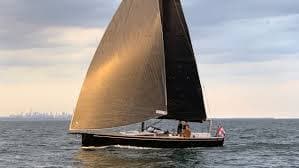
The departure from the Magote at La Paz began at dusk with an overnight forecast of 5–8 knots on the bow and a Malö 39 like Sea Fox barely moving through the glassy Bahia de La Paz; under those conditions a code zero was the only on-deck sail with a real chance to convert marginal puffs into forward motion without firing the engine.
What a Code Zero Actually Does Afloat
A code zero is a hybrid headsail introduced from racing that fills the performance gap between a genoa and an asymmetrical spinnaker. Cut flat with a light laminate, it often rides on a dedicated continuous furler and uses a torsion-loaded luff to furl cleanly. On reaches of 40–60 degrees apparent it will often add meaningful boat speed in light airs, turning frustrating drift into progress and saving fuel and morale during long coastal hops.
Operational realities on a cruising boat
Use on passage reveals three practical truths:
📚 You may also like
- Setup time: hoists, tensioning a two-part halyard and attaching the sheet runs can consume an hour or more when decks are not optimized for quick deployment.
- Material limits: laminate sails are lighter and higher performing in drizzle winds but age faster than Dacron and can be easily overstressed in a building breeze.
- Hardware demands: the bowsprit, anchor roller and furler must be sized and reinforced to accept the higher, more forward loads produced by these sails.
Comparing Sails: Performance, Cost and Use
| Characteristic | Code Zero | Dacron Genoa |
|---|---|---|
| Best angle | 40–60° apparent | Close reaching to upwind |
| Material | Laminates, light weight | Durable Dacron |
| Ease of handling | Fussy; needs a furler and care | Robust; forgiving |
| Service life | 3–5 seasons with frequent use | Often decade(s) with care |
| Typical crew | Shorthanded with experience | All crews, training-friendly |
When a Code Zero Pays Off
For short coastal hops where a few knots matter—shaving hours from a passage or avoiding long engine watches—a code zero can be decisive. Skippers who routinely encounter steady, light reaches (for instance, certain summer windows in the Pacific Northwest or protected island chains) will find the sail turns marginal puffs into consistent boat speed and lifts crew morale during long watches.
Reasons to Hesitate
Despite the charm, a code zero brings several downsides:
- Cost and depreciation: laminates and special furler systems are expensive and typically hold resale value poorly.
- Fragility: laminate fibers are more prone to UV and chafe damage than stout Dacron.
- Limited versatility: not useful on deep downwind legs and fiddly in rapidly shifting conditions.
Fit for purpose: which cruisers should consider one?
The sail makes most sense if:
- You routinely cruise in light, steady reaches and value speed over ruggedness.
- Your vessel has a reinforced bowsprit/roller and a furler system installed.
- You accept the maintenance cycle and potential need to replace the laminate every few seasons.
GetBoat always keeps an eye on news related to sailing and seaside vacations; we truly understand what it means to enjoy great leisure and love the ocean. The service values freedom, energy, and the ability to choose your own course, offering options so users can match sails and vessels to their preferences, budget, and style.
Practical checklist before you buy or rent a code zero-capable boat
- Inspect bow hardware and confirm load ratings for a code zero furler.
- Confirm halyard purchase and winch capacity for hoisting large, light sails.
- Allocate dry, ventilated locker space for laminate storage to extend life.
- Plan crew tasks and rehearsals for hoists and drops under varying wind angles.
Quick tips for charterers and renters
If you rent or charter a yacht and the owner offers a code zero, request details on handling, the furler, and any usage limits. A short walkthrough and a practice hoist in a safe harbor will reduce stress on passage and protect the sail’s service life.
Highlights: a code zero can be a brilliant tool in the right conditions—especially for coastal sailors seeking extra pace on light reaches—yet it remains conditional and equipment-intensive; knowing local wind rhythms, reinforcing deck gear, and rehearsing handling make the difference between a treasured tool and an expensive locker filler. Experiencing a new location is always a multifaceted process, where one learns about the culture, nature, the indescribable palette of local colors its rhythm of life and also the unique aspects of the service. If you are planning your next trip to the sea, you should definitely consider renting a boat (boat rentals, rent a boat, rent a yacht), as each inlet, bay, and lagoon is unique and tells you about the region just as much as the local cuisine, architecture, and language GetBoat.com
Forecast and planning: this nuance of sail technology is unlikely to reshape global tourism, but it matters to coastal cruisers and charter guests who prioritize sailing performance over low-maintenance practicality. Start planning your next seaside adventure and make sure to book the best boat and yacht rentals with GetBoat before the opportunity sails away!
Summary: a code zero converts marginal winds into useful boat speed on light-air reaches, but it requires dedicated hardware, care, and regular replacement. For many cruisers a well-trimmed Dacron genoa and prudent motoring will suffice; for the sailor who chases whispery winds, the code zero can transform a stalling day into a satisfying sail. Whether you’re evaluating charter options, buying a boat, or updating a sail inventory, consider your local wind patterns, deck reinforcement, and how often you truly sail those ideal angles. GetBoat.com supports global, user-friendly solutions for unforgettable touristic experiences—booking or buying yachts, sailboats, and motorboats—through transparent listings that show make, model, ratings, and rental details up front, helping you find the right vessel for cruising, yachting, fishing, or simply enjoying sun, sea, and marinas.