Kenya Coast Resorts Bet on Wellness and Connectivity
Alexandra
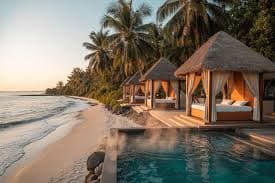
Cruise ship calls at Kilindini Harbour and higher flight frequencies into Moi International Airport have already shifted passenger flows, fueling a measurable uptick in high-value visitors to coastal properties and prompting hotels to invest in wellness infrastructure.
New facilities and the logistics behind them
The most visible example is the Uzuri Village Spa at the Pride Inn Flamingo Beach Resort in Mombasa, built around a Kenyan village concept and featuring treatment rooms plus an ocean-facing jacuzzi. The rollout of a full-service spa required coordination across several logistical fronts: importation of specialized spa equipment, refrigerated supply chains for organic oils and skincare products, and scheduling to match incoming flight and cruise timetables.
Pride Inn Hotels and Resorts executives noted the link between transport connectivity and demand. Group Managing Director Hasnain Nooran has pointed to cruise arrivals and flight seat increases as clear signals of growth, while Chief Operating Officer Varun Aurora emphasised a steady movement from party-oriented stays to restorative, health-focused itineraries. Operationally, that means hotels are aligning activity timetables—spa treatments, fitness classes, coastal walks—with ferry and tender schedules so guests can combine shore excursions with wellness sessions.
📚 You may also like
Service mix: land and sea wellness offers
Resorts are packaging holistic health options across multiple touchpoints: in-house treatment rooms, beachfront fitness, and water-based classes. Fitness trainer Shadrach Omondi has been running structured programs that include Zumba, aqua Zumba, aqua aerobics, beach jogging and guided outdoor activities. These services are designed to be accessible to cruise passengers with limited shore time as well as longer-stay guests arriving by air.
Typical wellness timetable for a day-visit guest
| Time | Activity | Logistics note |
|---|---|---|
| 08:00–09:00 | Shore transfer & breakfast | Tender schedule aligned with cruise docking |
| 09:30–10:30 | Aqua aerobics / beach jogging | Lifejackets and equipment staged at beach access |
| 11:00–12:00 | Spa treatment | Perishable supplies pre-positioned in chilled storage |
| 12:30–13:30 | Light lunch and transfer back | Coordination with port departure windows |
How wellness tourism affects local transport and supply chains
Wellness offerings require more than therapists and trainers; they demand reliable supply chains, workforce mobility, and seamless guest transfers. Hotels report higher volumes of specialized freight—everything from eucalyptus bundles to imported massage tables—arriving via airfreight and local road networks. On the human side, staff rosters have been adapted to stagger shifts around cruise ship timetables and peak flight arrivals.
There’s also a ripple effect on coastal transport operators and marina services. Increased demand for shore excursions and day trips pushes charter operators to coordinate with hotels so guests can, for instance, do a morning yoga session on the beach and still make a half-day boat trip in the afternoon. In other words, logistics teams are being asked to "kill two birds with one stone"—synchronise land-based wellness with sea-based leisure.
Implications for sailing, charters and boat rentals
Wellness-driven tourists often seek calm water experiences: sunrise sailing, SUP (stand-up paddle) yoga, gentle fishing trips, or a private charter for a secluded beach lunch. This preference nudges marinas and charter operators to adapt fleets—smaller, more stable boats for yoga or fishing, plus captains trained in hospitality. For GetBoat.com users, that translates into demand for options where a captain can double as a local guide and water-based activities coordinator.
- Charter timing: half-day and sunset slots become more popular around spa bookings.
- Boat types: demand shifts towards day-charter vessels and smaller yachts rather than large party boats.
- Service bundles: combined spa + boat packages increase average booking value.
Operational checklist for operators
- Align tender and charter schedules with cruise/flight arrivals.
- Stock wellness-friendly supplies on vessels (water, shade, first aid).
- Train captains on guest wellness needs and quiet cruising techniques.
- Coordinate with hotels for cross-promotion and combined bookings.
Tourists are already factoring wellness facilities into their destination choice. Some visitors prioritise destinations where they can recover, exercise, and enjoy nature within the same day. One frequent visitor noted that fitness, nature and rejuvenation are non-negotiable when choosing a beach stay—preferences that directly influence bookings for both resorts and local boat charters.
In short, the coast’s pivot to wellness is not an isolated hospitality trend; it’s reshaping transport logistics, supply chains and the local marine leisure market. Hotels like Pride Inn Flamingo Beach Resort are investing to capture that shift, while charter and marina operators adapt fleets and scheduling to match the new guest rhythm.
Conclusion: Improved flight connectivity and cruise arrivals are driving demand for wellness-focused stays, prompting investments such as the Uzuri Village Spa and expanded fitness programming. These changes ripple into logistics—freight, staff mobility, and tender coordination—and create opportunities for the yachting and boating sector: yacht and boat charters, captain-led excursions, and marina services can all benefit. For anyone planning a beach or lake getaway, the new packages make it easier to combine spa, sailing, fishing and other activities—think superyacht calm or a modest day charter—so whether you want to rent a boat or book a captain, the Coast is aligning transport, marinas and hospitality to deliver restorative sea, sun and water experiences.


