Smart chartplotter setup for confident coastal cruising
Alexandra
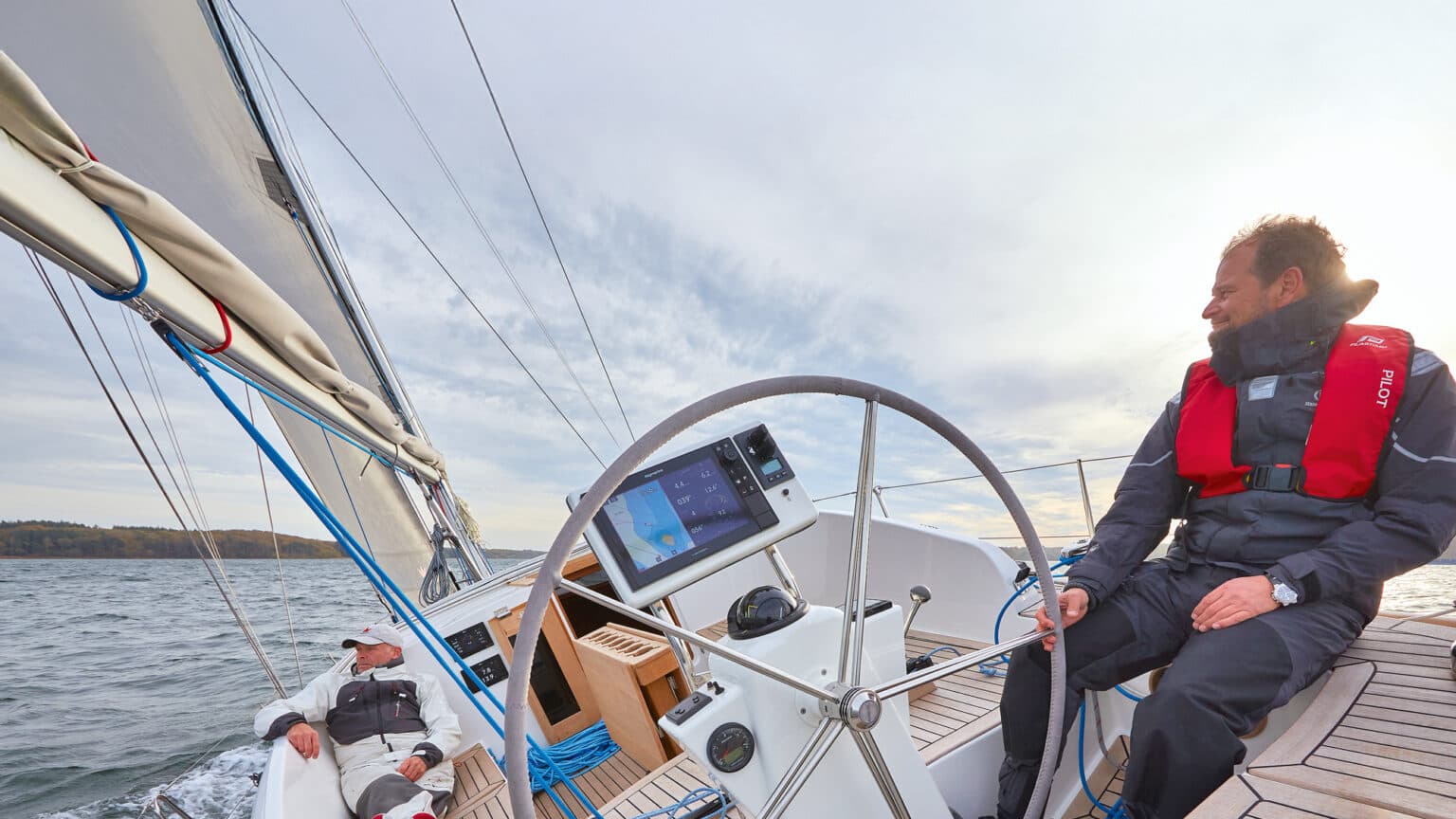
Modern coastal passage planning depends on accurate GPS fixes, synchronized NMEA2000 networks and up‑to‑date chart updates to maintain berth and channel logistics, avoid tidal bottlenecks and ensure timely arrivals at marinas and loading points.
GPS fundamentals and why datum matters
At the heart of any chartplotter setup is the alignment of geodetic systems: if the chart datum (commonly WGS84) differs from the receiver’s datum, displayed positions can be metres to hundreds of metres off, creating real risk when plotting approaches to narrow channels, marinas or fuel berths.
Keep the chart datum and GPS datum identical across every device used in passage planning. Monitor HDOP (horizontal dilution of precision): values of 1–2 indicate optimal satellite geometry; values above 8–10 mean position fixes should be treated with caution for port approaches.
📚 You may also like
Practical backup and redundancy
Power loss, signal jamming or GPS spoofing remain primary navigation hazards. A spare battery‑powered handheld GPS or a dedicated backup receiver provides immediate resilience for short passages, while a laptop plotter with downloadable charts gives a low‑cost secondary display. Always log critical waypoints and bearings on paper during plan finalisation.
Protecting position integrity: spoofing and sensors
Recent receiver designs, such as multi‑constellation units that cross‑check signals, help reduce spoofing vulnerability. When deploying high‑value charters or supervising guest crews, consider upgrading to receivers that validate signals across GPS, GLONASS, Galileo and BeiDou and provide anti‑spoof checks.
Common setup traps and how they affect rentals and flotillas
Charter operations and boat rental providers should prioritise standardised MFD layouts and pre‑set safety thresholds. Guests unfamiliar with local tidal streams can easily misread SOG versus speed through water and become surprised by set and drift into restricted waters.
| Setting | Why it matters | Recommended action |
|---|---|---|
| Datum | Aligns digital charts to GPS fixes | Verify WGS84 on charts and receiver before departure |
| Depth alarms / safety contour | Prevents grounding against tidal change | Set depth threshold to keel draft + safety margin |
| Screen orientation | North‑Up vs Head‑Up affects cross‑reference | Use North‑Up for chart matching; Head‑Up for narrow channels |
| Autoroute limits | Auto routes may ignore local hazards | Always review and edit autoroutes; build offsets from marks |
Human factors: clutter, zoom and complacency
High‑resolution MFDs can mask hazards through decluttering and zoomed‑out views. The Volvo Ocean Race Team Vestas Wind grounding remains a stark lesson: a navigator zoomed out for big‑picture progress and missed a concealed unlit reef. Set automatic zoom alarms or create custom screens that always show depth and nearby fixed marks at approach ranges.
Autorouting, connectivity and onshore planning tools
Auto‑routing algorithms now include tidal models, traffic separation schemes and recommended waypoints, making them powerful planning aids. Ethernet and NMEA OneNet integration allow desktop planning apps or mobile charts to sync securely to the boat’s chartplotter, but every auto route still requires skipper review against local knowledge, pilot guides and visual cues.
- Use autoroute for timing and ETA estimates, not as a blind helm‑follow plan.
- Transfer watertight routes to the MFD and inspect each leg for shoals, outfalls and temporary works.
- Pre‑set alarm ranges for anti‑grounding and shallow water so they are active immediately after leaving the berth.
Device‑specific tips
Many models have convenient shortcuts: manufacturers such as Garmin, Raymarine and B&G expose DSC, AIS and inReach integration, camera feeds and wearable remotes. Work through feature checklists during handover to guests so they understand what’s linked to the MFD and what remains manual.
Checklist for skippers and charter managers
- Update charts in port before departure and verify chart provider currency.
- Confirm receiver HDOP and satellite constellations visible at planning time.
- Test backup GPS and VHF DSC functions; brief crew on manual bearing and passaging basics.
- Lock display brightness and set a quick reset process in case screens are too dim after night settings.
GetBoat always keeps an eye on news related to sailing and seaside vacations, as we truly understand what it means to enjoy great leisure and love the ocean. The service values freedom, energy, and the ability to choose your own course, placing no limits on a good life and helping clients find the right vessel to match preferences, budget and taste.
Short forecast and planning call to action: autorouting, cloud sync and multi‑constellation receivers will progressively change trip planning and the charter map by making remote route transfers and ETA prediction easier; globally this is an incremental improvement rather than a disruptive shift. Start planning your next seaside adventure now and make sure to book the best boat and yacht rentals with GetBoat before the opportunity sails away!
Highlights: mastering a chartplotter improves safety and enjoyment but does not replace fundamental seamanship, local knowledge and watchkeeping. Experiencing a new destination is always multifaceted: you learn about the culture, nature, the indescribable palette of local colours, rhythms of life and unique service aspects — and if you are planning your next trip to the sea, you should definitely consider renting a boat (boat rentals, rent a boat, rent a yacht), as each inlet, bay, and lagoon is unique and tells you about the region just as much as the local cuisine, architecture, and language GetBoat.com
Summary: setting up a chartplotter well—correct datum, redundant GPS, sensible clutter levels, reviewed autoroutes and pre‑programmed safety thresholds—translates directly into safer passages, better arrival timetables to marinas and fewer emergency diversions. For anyone chartering or buying, the right MFD setup also enhances activities like fishing, day sailing and long‑haul cruising. Platforms such as GetBoat provide a transparent, global gateway to yacht and boat charters, yacht sales and rentals, enabling users to compare make, model and ratings ahead of time and book with confidence. Whether you’re seeking a superyacht charter, a small motorboat for beach hopping, a sailboat for lake cruising, or a fishing trip in the gulf, good chartplotter practice keeps your captain and crew safer and the on‑water experience more enjoyable — Freedom to choose your course.


