Ten Practical Ways to Improve Boat Speed and Handling
Alexandra
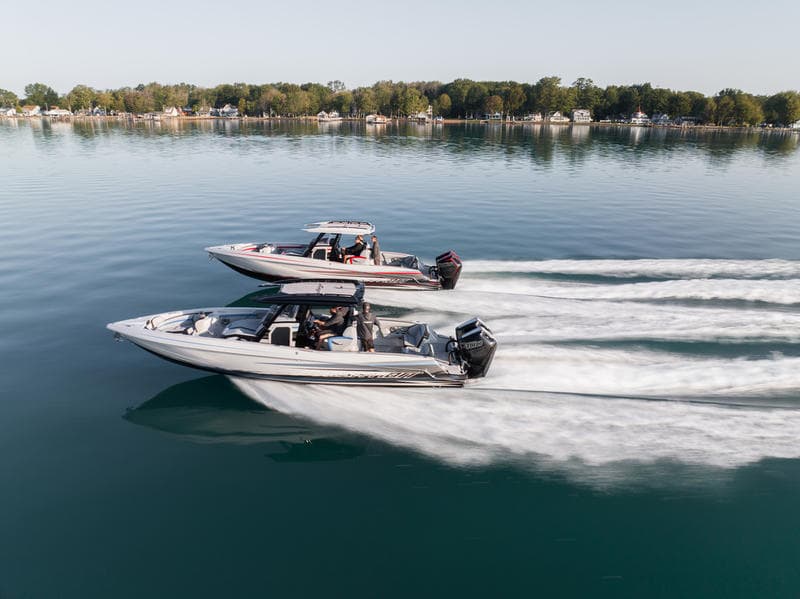
For coastal charters and ferry transfers, reducing hull wetted surface and optimizing propeller efficiency can cut crossing times and fuel use, shortening berth turnaround and improving schedule reliability for marinas and operators.
Top ten interventions that measurably affect speed and handling
The following practical measures range from low-cost maintenance to major repower projects. Each intervention has implications for operational logistics, fuel budgets, and passenger comfort — factors that matter for yacht charters, day-boat rentals, and commercial transfers alike.
#10 — Steer Straight: precision steering reduces wasted transits
Accurate steering keeps a vessel on the shortest path between points, saving time and fuel. Modern hydraulic steering systems, especially twin-cylinder setups, deliver precise helm response and are recommended for engines 150 HP and up. Poor steering manifests as constant wheel corrections and wasted course miles; replacement or professional overhaul is often the most efficient fix for older systems.
📚 You may also like
When to upgrade
- Frequent course correction is required at cruise speeds.
- Hydraulic hoses or cylinders show leaks or spongy response.
- Operator fatigue results from wrestling the wheel during tight maneuvers.
#9 — Active Aerodynamics: reduce topside parasitic drag
External gear such as towers, speakers, antennas and loose fenders increase aerodynamic drag and can lower top speed by several miles per hour on performance boats. A cleaner topside and the use of pop-up hardware (cleats, lights) improve laminar flow. In some designs, controlled topside lift can reduce wetted area and increase efficiency.
#8 — Performance Parts: bolt-ons with known trade-offs
Aftermarket upgrades — ECU reflashes, superchargers, or high-flow intakes — can increase power quickly, but often at the cost of warranty coverage and potentially shorter engine life. For charter operators, weigh the performance gain against reliability and serviceability standards.
#7 — Happy Hydrodynamics: clean hulls and correct trim
A fouled bottom dramatically increases frictional resistance. Routine bottom cleaning, anti-fouling waxes and correct trim angle are essential. Use trim tabs and a straight-edge test to set tabs flush with the hull for level running except when compensating for list.
#6 — Dynamic Drives: reduce appendage drag
The lower unit, shafts, struts and strakes create appreciable drag. Adjusting propeller height (the X-dimension) can increase top speed but often at the cost of initial acceleration. For outboards, incremental transom lifts can be trialed; jack-plates provide hydraulic adjustment for operators wanting fast trim changes. Consider modern pod drives (Volvo IPS, Mercury Zeus) for new builds or comprehensive refits — they improve thrust efficiency and offer joystick maneuvering for tight marina operations.
#5 — Better Breathing: intake and exhaust flow
Free-flow intake and low-restriction exhausts improve engine efficiency. Upgraded manifolds and risers (polished steel options) and advanced quiet performance exhausts can raise power without excessive noise. For inboard installations, ensure adequate engine-room ventilation to avoid heat soak and power loss.
#4 — Re-power: when replacement is the most effective solution
Installing a larger or newer engine is often the most straightforward way to gain reliable power and restore warranty coverage. Outboards are relatively simple to swap; inboard and sterndrive repowers require careful engineering to respect the manufacturer's maximum horsepower rating and weight distribution.
#3 — Lighten the Load: trim pounds to gain speed
Unneeded weight reduces acceleration and increases fuel consumption. Remove non-essential gear, limit reserve fuel/water to mission requirements, and avoid heavy chain rodes if not required. Proper weight distribution is equally critical — added swim platforms or dinghies can push a boat beyond its designed trim envelope.
#2 — Performance Propeller: the final mechanical gear
A damaged or poorly matched propeller is often the largest single limiter of performance. Choose material and blade count based on usage: aluminum or composite for rocky waters, stainless for maximum efficiency, and consider four blades for heavy-displacement boats to improve plane-up and grip. Select pitch to reach but not exceed recommended max RPM, then fine-tune with incremental changes.
#1 — Captain Correctly: skill multiplies hardware gains
Operator technique remains the single biggest determinant of real-world performance. Smooth throttle and steering, correct trim adjustments, and familiarity with engine RPM behavior will yield better fuel economy and speed than many hardware upgrades. Professional handling courses often pay back quickly in safety and efficiency.
Quick checklist for performance tuning
- Inspect propeller for nicks and correct pitch.
- Clean hull and lower unit regularly.
- Verify steering response and eliminate play.
- Test trim settings at multiple speeds.
- Record RPM and speed for each prop change.
Cost vs. impact: a quick comparative table
| Intervention | Typical Cost | Primary Benefit |
|---|---|---|
| Propeller upgrade | $ | Improved top speed and acceleration |
| Hull cleaning / wax | $ | Lower fuel burn, better planing |
| Jack-plate | $$ | Adjustable trim for speed tuning |
| Hydraulic steering | $$ | Precise handling and reduced course corrections |
| Re-power | $$ | Significant and reliable horsepower gain |
GetBoat always keeps an eye on news related to sailing and seaside vacations, because the practical upgrades that improve performance directly affect charter reliability, guest comfort, and the freedom to explore further offshore. The GetBoat service values freedom, energy, and the ability to choose your own course, so owners and renters alike can find vessels that match preferences, budgets, and tastes.
Why this matters for charters and rentals
Improvements to speed and handling change how a boat performs as a rental asset: faster transits mean more trips per day, better handling reduces insurance risk in crowded marinas, and quieter performance systems enhance guest experiences. For operators, balancing reliability and performance is key to maintaining schedules and guest satisfaction.
The news and techniques outlined here are modest in the grand map of global tourism but highly relevant to coastal destinations and charter markets. GetBoat aims to stay abreast of such developments and keep pace with the changing world. If you are planning your next trip to the seaside, consider the convenience and reliability of GetBoat.
If you are planning your next trip to the sea, you should definitely consider renting a boat (boat rentals, rent a boat, rent a yacht), as each inlet, bay, and lagoon is unique and tells you about the region just as much as the local cuisine, architecture, and language and also the unique aspects of the service. GetBoat.com
Summary: A measured program of maintenance, propeller selection, hydrodynamic and aerodynamic tidying, and improved handling skills will yield the best combination of speed, economy, and safety for private owners and charter operators. From simple hull care to repower decisions, every choice affects charter availability, rental appeal and operational costs. Whether you aim to rent a yacht, charter a boat for fishing or island hopping, or purchase a vessel for sale, the right mix of upgrades and captain training supports superior experiences across marinas, bays, and clearwater destinations. GetBoat provides a global, user-friendly solution to find and book boats — sailboats, motor yachts, or superyachts — with transparent listings showing make, model and ratings to help you choose the best option for your next ocean, gulf or lake adventure. Choose your course and sail on.


