ClubSwan 28 — Compact Grand-Prix Performance
Alexandra
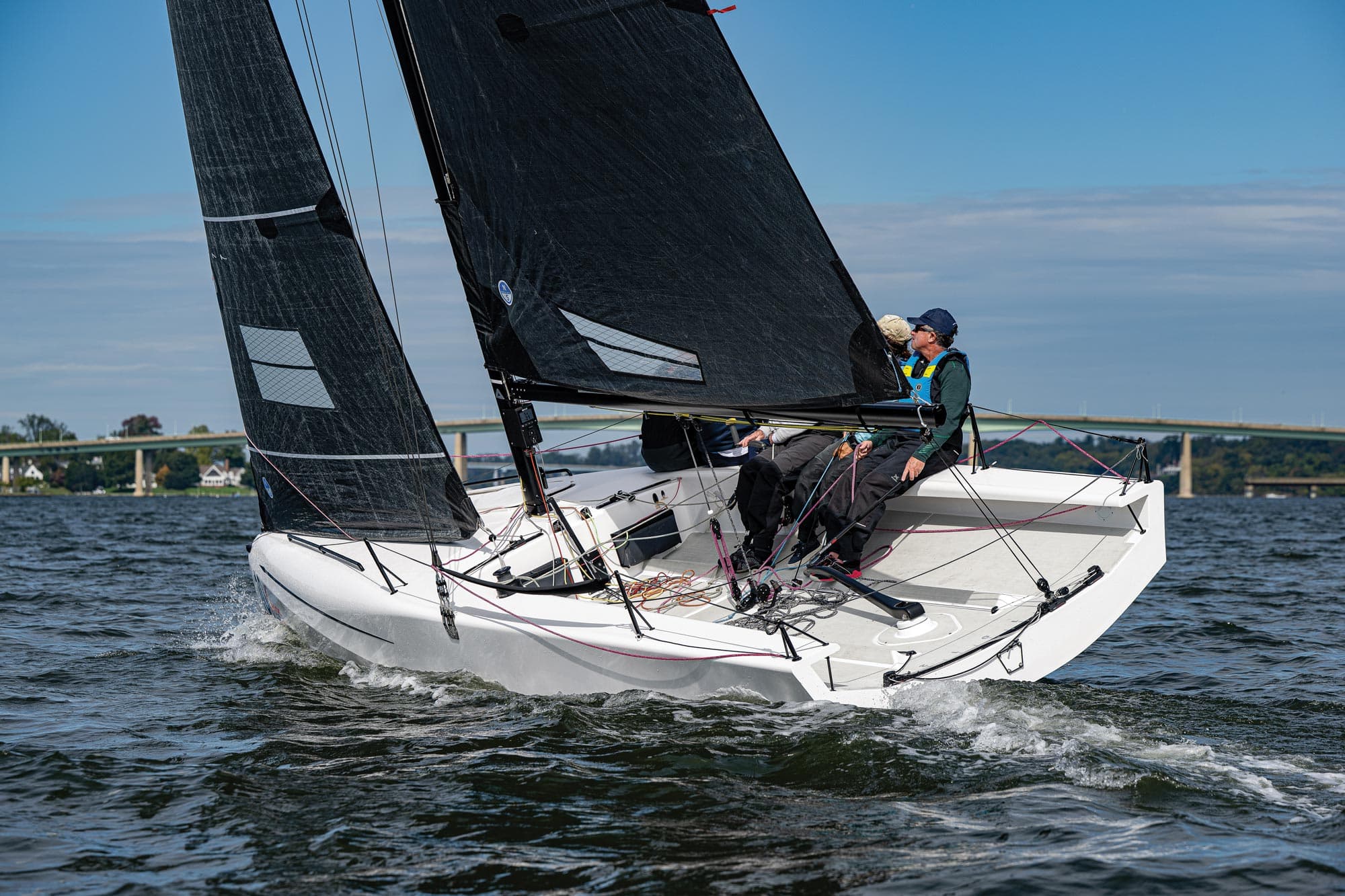
At 2,600 pounds displacement with a 6‑foot L‑shaped keel and a rapid launch time of under four hours for an experienced crew, the ClubSwan 28 changes regatta and transport logistics by enabling easy trailerability and rapid event turnarounds for one‑design fleets.
Design and on‑water behavior
The ClubSwan 28, produced for Nautor Swan by Sinergia Racing Group in Cartagena, Spain, compresses grand‑prix engineering into a 28‑foot package. Juan Kouyoumdjian’s hull form favors minimal drag, low windage and efficient weight distribution: pronounced chines, a reverse sheer and deck chamfers combine to make a hull that sails on its rail and remains forgiving in mixed conditions. The result is a platform that responds to small sail‑trim inputs with measurable speed gains, which matters both in match racing and in short‑course fleet formats.
On the test platform, crews noted consistent stiffness from a prepreg vinylester layup. That structural rigidity translates to a solid underfoot feel and predictable helm feedback, especially in 10–15 knots and flat water. For event organizers and owners, this reliability reduces the variability between boats and simplifies class measurement and tuning protocols.
📚 You may also like
Ergonomics and crew dynamics
Ergonomic layout was prioritized to suit both novice owner‑drivers and expert grand‑prix teams. Line access, sheet leads and control placement allow quick adjustments without crew congestion: the cockpit footprint balances rail space for hiking with room for trimming and trimming stations. An owner‑driver restriction combined with a maximum crew weight limit of 400 kilograms shapes the class’s crew selection and race logistics.
Rig, sail controls, and sail inventory
The fractional rig employs advanced controls for rapid depowering and mast bend management. A hydraulic mast ram, structured luff mainsail and a cunningham led back to the main trimmer provide multiple, fast methods to change sail shape during a race. With no backstay, compression and fore‑aft rig controls are central to tuning.
- Mast control: ram adjustable in race, enables fine‑grain tuning.
- Structured luff: improves mainsail shape consistency and supports rigless backstay operation.
- Sail limits: one class spinnaker (max 936 sq ft) and two class jibs simplify logistics and sail inventory management at events.
Implications for racing performance
Because small sail‑trim changes produce noticeable speed shifts, teams that can make precise, repeatable adjustments hold an advantage. That makes the ClubSwan 28 appealing for training regimens and coach‑led programs where learning how to tune a modern carbon platform is the objective. Downwind behavior is described as especially enjoyable, with the hull form and sail plan delivering lively planing and responsive handling.
Construction, materials, and longevity
The use of prepreg vinylester resin and high‑quality carbon components yields a lightweight but stiff assembly that resists flex under load. From an operational perspective, that means lower maintenance for deck and rig stability compared with older, more flexible designs. High‑quality hardware and purposeful system selection also reduce in‑season repairs and downtime, an important factor for owners who travel between regattas or carry the boat on trailers between venues.
| Characteristic | Spec / Note |
|---|---|
| Displacement | 2,600 lb |
| Keel | L‑shaped, 6 ft draft |
| Spinnaker (max) | 936 sq ft |
| Crew limit | Max 400 kg; owner‑driver rules apply |
| Typical launch time | Under 4 hours (experienced team) |
Class structure, events, and U.S. prospects
The ClubSwan one‑design series extends to 50‑foot models, with the 28 intended as a gateway model to bring new owners into the brand’s racing ecosystem. Europe already supports active regattas, while plans for a U.S. circuit point to winter events in Pensacola and summer events in Newport, Rhode Island. Success in the U.S. will hinge on manufacturer commitment to class support, dealer logistics, and localized event coordination.
Measurement and fairness
Class rules simplify logistics: a limited sail inventory reduces shipping and rigging complications across venues; fixed crew weight limits help standardize competition; and an owner‑driver requirement preserves accessibility to amateur racers. For regatta organizers, such rules help guarantee consistent racing and minimize protest complexity related to equipment variance.
Ownership cost, market positioning, and resale
With an asking price near $283,000 amid tariff uncertainty, the ClubSwan 28 sits at a premium entry point for owner‑drivers seeking a turnkey one‑design experience. Price reflects a sophisticated carbon build, premium hardware and access to a branded regatta circuit. For owners, the economic model includes storage, trailering or transport to regattas, and class fees; for prospective buyers, the blend of day‑sailing, club racing and potential charter or demo opportunities adds versatility to the ownership case.
- Pros: high performance, strong class identity, trailerable, quick launch.
- Cons: premium price, class success dependent on sustained builder support.
How the ClubSwan 28 matters for charter and boat rental markets
Although primarily positioned as a one‑design raceboat, the ClubSwan 28’s trailerability and manageable crew ergonomics create secondary opportunities in the leisure and rental market: performance day charters, corporate team‑building sails, and owner‑driver demo rentals. Charter operators who list performance‑oriented boats can differentiate offerings for customers seeking an adrenaline‑focused day on the water. Transparent specs and ratings make it easier for renters to choose an experience that fits skill level and expectations.
Key takeaways and travel considerations
Highlights: the ClubSwan 28 delivers grand‑prix responsiveness in a compact, trailerable package; ergonomic design accommodates a broad range of crew sizes and skills; class rules and limited sail inventories reduce event logistics. Experiencing a new sailing location via a boat like this is multifaceted: you learn about local culture, nature, the indescribable palette of local colors, its rhythm of life and the unique aspects of service. If you are planning your next trip to the sea, you should definitely consider renting a boat (boat rentals, rent a boat, rent a yacht), as each inlet, bay, and lagoon is unique and tells you about the region just as much as the local cuisine, architecture, and language GetBoat.com
Start planning your next seaside adventure: this news could modestly influence niche high‑performance charter markets and the geography of competitive one‑design racing. While the global tourism map may not shift dramatically from a single class launch, the ClubSwan 28 is important for owners and operators who want to add a premium, transportable racing option to their offerings. Start planning your next seaside adventure and make sure to book the best boat and yacht rentals with GetBoat before the opportunity sails away!
GetBoat keeps a close eye on developments that affect sailing and seaside vacations because freedom, energy and choice define great leisure. The ClubSwan 28 demonstrates how modern materials, considered rigging and logistics‑friendly design can open new doors for racing, day charters and owner‑driven cruising. Whether you seek a performance yacht for charter, a charterable sportboat for corporate events, or a purchase that doubles as a race tool and social platform, the ClubSwan 28’s blend of rig sophistication, light displacement and trailerability makes it a notable option. No limits to a good life.


