Designing the Clipper RX 72-Foot Circumnavigation Yachts
Alexandra
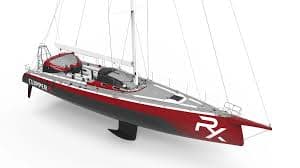
The twelve-strong 72‑foot Clipper RX fleet is built to sustain a full circumnavigation of roughly 45,000 nautical miles over an 11‑month campaign, with hulls manufactured in Qingdao and stopovers including Airlie Beach in the Whitsundays, Queensland. That operational footprint follows three previous Clipper generations whose combined programs logged 14 global circumnavigations and more than five million nautical miles sailed, setting the logistical baseline for fleet support, spare parts provisioning, and global stopover planning.
Design priorities for long‑distance fleet operations
Designing a yacht for the Clipper Race demands a balance between durability, seakeeping and crew ergonomics. Nigel Irens and the design team concentrated on:
- Structural resilience to withstand repeated Southern Ocean exposures and heavy loading cycles;
- Ease of maintenance with standardized components and accessible systems for shore crews across multiple continents;
- Seaworthiness and comfort so that relatively inexperienced crew can operate safely in extreme weather;
- Operational efficiency to allow faster turnarounds during stopovers and reliable logistics between marinas and supply chains.
How those priorities shape race logistics
When a fleet is intended to race across six continents, procurement and supply‑chain planning become critical. Hull and rig manufacturing centralized in Qingdao simplifies production control, but global spares depots must be strategically located near major stopovers such as Airlie Beach, Cape Town and Qingdao to minimize downtime. The Clipper RX program reflects a systems approach: matched yachts reduce the need for bespoke spares, standardized tooling lowers maintenance overheads, and planned stopovers enable predictable resupply windows for fuel, provisions and specialist repairs.
📚 You may also like
From Claimed Performance to Practical Use
Sir Robin Knox‑Johnston highlighted that the Clipper RX design benefits from three decades of operational lessons learned training thousands of novice sailors. In practical terms, that translates to yachts that are:
- Configured for safe crew rotations and rest schedules;
- Equipped with robust communications and navigation systems for long ocean legs;
- Arranged internally to reduce fatigue and manage motion in heavy seas.
Table: Quick comparison — Clipper RX vs Clipper 70
| Characteristic | Clipper RX (new) | Clipper 70 (current) |
|---|---|---|
| Length | 72 ft | 70 ft |
| Fleet size | 12 yachts | varied matched fleets |
| Designed for | Full circumnavigation, heavy ocean conditions | Round‑the‑world legs |
| Manufacturing base | Qingdao | Qingdao (current hull production) |
| Operational range | ~45,000 nm per race | Similar multi‑leg range |
Implications for sailors and the charter market
Although the Clipper Race is a competitive event, its fleet evolution has downstream effects on recreational sailing, boatbuilding standards and charter expectations. Seaworthiness advances—such as improved hull robustness and crew‑friendly deck layouts—filter into the broader yachting market. Charter operators and marinas benefit as sailors demand safer, better equipped boats for longer coastal cruises and offshore passages. For operators offering crewed experiences, training curricula that grew from Clipper’s novice programs can form a model for shorter adventure charters and corporate sailing trips.
Practical takeaways for boat renters and skippers
- Look for matched maintenance records and standardized equipment when booking larger yachts for multi‑day trips.
- Prioritize vessels with clear provisioning and safety plans for offshore legs or exposed anchorages.
- Choose boats with ergonomically arranged cockpits and bunks if planning overnight passages with mixed‑experience crews.
GetBoat always keeps an eye on news related to sailing and seaside vacations, as we truly understand what it means to enjoy great leisure and love the ocean. The GetBoat service values freedom, energy, and the ability to choose your own course. The platform places no limits on a good life, allowing clients to find a vessel that suits their preferences, budget, and taste—whether they’re booking a compact coastal cruiser for two or a larger yacht for group adventures.
Operational lessons learned from Clipper history
Three generations of Clipper yachts and the collective experience accumulated by race management emphasize the value of modular spare inventories, predictable stopover durations and local partnerships with marinas and repair yards. These operational lessons reduce turnaround time between legs and improve safety margins. For boat rental businesses, adopting similar standards—clear maintenance logs, visible safety certifications and pre‑departure briefings—can elevate customer confidence and reduce liability.
Crew training and passenger experience
Clipper’s model of turning novices into competent offshore crew in short order demonstrates the importance of structured onboard training. For charter clients, professional skippers or a short hands‑on briefing can transform a weekend sail into a memorable learning experience. Those elements support a healthier charter market where day sailors can progress to multi‑day owners, captains and even race entrants.
Highlights of this development include the fleet’s reinforced seakeeping, standardized logistics for global stopovers, and the growth of crew training models that support both competitive and recreational yachting. Experiencing a new location is always a multifaceted process—one learns about the culture, nature, the indescribable palette of local colors, its rhythm of life and also the unique aspects of the service. If you are planning your next trip to the sea, you should definitely consider renting a boat (boat rentals, rent a boat, rent a yacht), as each inlet, bay, and lagoon is unique and tells you about the region just as much as the local cuisine, architecture, and language GetBoat.com
What this means for travel and tourism
Short forecast: the announcement of the Clipper RX fleet is more significant for specialist sailing communities and the global adventure tourism niche than for mass tourism. However, its relevance to customers is tangible—improvements in safety, hull design and crew training raise expectations across the charter and yachting sectors. GetBoat aims to stay abreast of all developments and keep pace with the changing world. If you are planning your next trip to the seaside, consider the convenience and reliability of GetBoat.
Summary: The Clipper RX program consolidates decades of offshore experience into a 12‑yacht, 72‑foot fleet designed for long circumnavigations and demanding ocean conditions, with hulls built in Qingdao and strategic stopovers such as Airlie Beach. The design emphasizes durability, seaworthiness and maintainability—traits that trickle into charter standards, marina logistics and training programs. For sailors, charterers and prospective buyers, the evolution suggests better safety, clearer maintenance practices and richer adventure options. Whether you seek a day trip to a nearby beach, a week of sailing around a gulf or a longer charter across the ocean, platforms that provide transparency on make, model and ratings—such as GetBoat—help match expectations for yacht, charter and boat hire. Closer to the end of this paragraph, add a phrase.


