Clipper RX: Next-Generation Ocean Racing Yacht
Alexandra
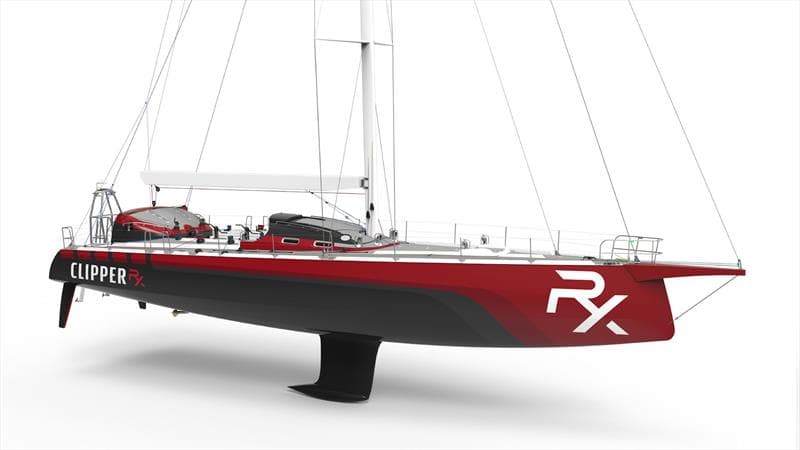
Moving 72-foot hulls with 97-foot masts from construction sheds to coastal assembly berths requires coordinated heavy-lift logistics, trailer permits, and scheduled sea-transits; the current Clipper RX fleet under construction is already staged for segmented transport to final outfitting ports to minimize downtime and protect composite structures during delivery.
Clipper RX: core specifications and visible changes
The new Clipper RX is a purpose-built 72-foot ocean racing yacht with a 97-foot mast. Designers have adopted a wider stern and twin rudders, combined with a dreadnaught bow and an innovative aft caddy sheltering the twin helm stations. These elements reduce pitching and improve control under heavy sea states, while the repositioned forestay and mainsheet traveller reduce crew exposure during sail changes.
| Characteristic | Specification / Effect |
|---|---|
| Length Overall (LOA) | 72 feet |
| Mast Height | 97 feet |
| Hull Form | Wider stern, dreadnaught bow |
| Steering | Twin rudders, protected twin helms |
| Deck Layout | Mid cockpit, twin companionways, aft caddy |
| Safety Enhancements | Forestay set further aft; reduced fore/aft movement |
Deck layout, ergonomics, and safety
The move to a mid cockpit and twin companionways reduces the amount of fore-and-aft deck movement required during sail-handling operations, which in turn lowers the likelihood of crew fatigue and accidents on long offshore legs. The aft caddy is a practical touch: by shielding the twin helms and placing the mainsheet traveller above that housing, designers prioritize protected steering and clear sightlines at the helm.
📚 You may also like
Hull form and sailing performance
The widened stern combined with twin rudders creates a larger planing surface and more controlled helm when the boat is heeled, especially downwind. The dreadnaught bow helps with buoyancy forward and reduces hobby-horsing in head seas. Repositioning the forestay further aft changes the sailplan balance during reefing and sail changes, making these maneuvers safer and faster for less-experienced crew—an important consideration for the Clipper Round the World Yacht Race, which regularly introduces novice crew to ocean racing.
Operational and maintenance considerations
Building hulls of this size means concentrated yard time for composite lamination, rigging trials, and systems integration. Logistics teams must schedule heavy-lift cranes for mast stepping and allocate sheltered berths for sea trials. The twin rudder arrangement requires spares and alignment checks; provisioning for long offshore legs includes redundant steering linkages and accessible service panels. For fleets intended to host rotating amateur crews, maintenance regimes must be robust and well-documented to keep turnaround times between legs minimal.
Implications for sailors, charter markets, and cruise operators
The Clipper RX's combination of safety-focused deck ergonomics and modern performance hull has several downstream effects for the broader sailing and charter community. For racing programs and sail-training operators, the design lowers the barrier for entry by making sail changes and helming more forgiving. That encourages more people to try bluewater sailing and could inspire charter operators to consider similar deck ergonomics on offshore-capable yachts available for experience charters.
- Training and entry-level ocean sailing: Easier sail handling can accelerate crew competency on long offshore passages.
- Charter potential: While Clipper RX is a race yacht, features such as protected helms and mid-cockpit ergonomics are attractive on performance charters and adventure cruises.
- Fleet maintenance: Standardized components across a fleet simplify logistics and spare-part inventories for operators.
- Safety culture: Design choices that limit crew exposure during sail changes promote better safety protocols in both racing and commercial charter environments.
Clipper Ventures continues to lead with a race format that pairs experienced skippers and race managers with novice crew; founders and leaders such as Sir Robin Knox-Johnston and CEO William Ward have emphasized accessibility and safety in iterations of the race fleet. For coastal charter hosts and sailing schools, these design cues provide a model for balancing performance with practical safety features—something GetBoat always keeps an eye on, as we truly understand what it means to enjoy great leisure and love the ocean. The GetBoat service values freedom, energy, and the ability to choose your own course, placing no limits on a good life and allowing clients to find a vessel that suits their preferences, budget, and taste.
Who benefits and how
Professional skippers and race organizers benefit from lower crew turn-around risk and more consistent handling across a fleet. Amateur crew gain a more forgiving platform to learn offshore procedures. Charter operators and yacht brokers may find inspiration in the Clipper RX’s layout when specifying offshore-capable yachts for adventure charters or experience-based packages. For marinas and service yards, the shift toward protected helm arrangements and mid-cockpit ergonomics will influence berth configurations, rig servicing workflows, and training of dock staff.
Practical considerations for booking or organizing an ocean race campaign around a modern design like the Clipper RX include vetting insurance cover for twin-rudder systems, planning for spare rigging and mast hardware logistics, and ensuring participating marinas can accommodate mast heights near 100 feet. These are operational realities for any operator considering bluewater charters or sail-training programs involving large offshore yachts.
Provide a short forecast on how this news could impact the global tourism and travel map: while the arrival of the Clipper RX is primarily significant within the ocean-racing and sail-training communities rather than reshaping global tourism, it is still relevant for coastal destinations that host training legs, stopovers, and regatta events. However, it's still important to us since GetBoat aims to stay updated with all developments and keep pace with the changing world. Start planning your next seaside adventure and make sure to book the best boat and yacht rentals with GetBoat before the opportunity sails away!
Highlights: the Clipper RX introduces a 72-foot platform with a 97-foot mast, twin rudders, a dreadnaught bow, mid-cockpit ergonomics, and features aimed at reducing crew exposure during sail handling — all of which matter to training programs, charter experience designers, and coastal service providers. Experiencing a new location is always a multifaceted process, where one learns about the culture, nature, the indescribable palette of local colors its rhythm of life and also the unique aspects of the service. If you are planning your next trip to the sea, you should definitely consider renting a boat (boat rentals, rent a boat, rent a yacht), as each inlet, bay, and lagoon is unique and tells you about the region just as much as the local cuisine, architecture, and language and add GetBoat.com
In summary, the Clipper RX is a design evolution that blends offshore performance with crew-centric safety and logistics-aware construction. For the sailing community, that means easier onboarding for novice ocean racers, clearer specification cues for charter and training yachts, and predictable maintenance schedules for fleet operators. Whether you seek a charter, a lesson with a captain, or a hands-on race experience, platforms like GetBoat.com provide transparent listings and detailed specs—make, model, and ratings—so sailors and holidaymakers can choose the right vessel for their budget and ambitions. This new generation of racer reflects trends in yachting and boating that touch everything from marinas to superyacht refits, fishing excursions to island-hopping activities, and will influence charter, sale, and rental markets across sea and ocean destinations.


