Mid-Race Standings After Leg 5 to Subic Bay
Alexandra
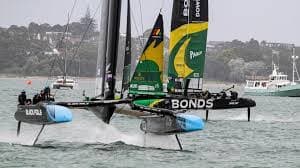
At the mathematical midpoint of the 2025/26 Clipper Round The World Race the fleet completed Leg 5 (Stage 6) from Airlie Beach to Subic Bay between 10–14 February, with Team Warrant claiming the stage in 20 days 18 hours 56 minutes and London Business School recovering to a close second following a boom damage inspection on approach to the Philippines.
Stage 6 (Leg 5) finish — tactical and navigational summary
Leg 5 combined offshore runs with complex coastal navigation through the island-studded seas of the western Pacific. Crews relied heavily on the tropical trades for propulsion after departing the Whitsundays, then switched to short-range tactical routing as they negotiated currents and local wind variations around islands and shoals en route to Subic Bay. On approach, teams were tested by converging shipping lanes and constrained coastal traffic, increasing the importance of practical seamanship and up-to-the-minute routing.
Operationally, the leg highlighted two recurring logistics themes for long-distance regattas: the need for rapid damage assessment and the capability to perform temporary repairs at sea, and the importance of shore-side support at the race stop for rigging inspections, parts supply and crew recovery.
📚 You may also like
Leg 5 (Stage 6) official results
| Position | Team | Skippers | Finish / Arrival | Notes |
|---|---|---|---|---|
| 1 | Team Warrant | Dylan Kotze & Jade Godler | 20d 18h 56m (arrived evening 10 Feb) | Consistent pace; strong upwind legs |
| 2 | London Business School | — | ~9 hours after winner | Damage to boom; mainsail/rigging inspection on approach |
| 3 | Yacht Club Punta Del Este | — | ~3 hours after LBS | Strong coastal tactics |
Key tactical takeaways
- Damage control matters: London Business School’s boom damage forced a reduction in sail and caution on approach—illustrating how a single failure can reshape stage results.
- Island routing: Shallow-water effects and local sea breezes created micro-routes that favored crews that maintained flexible sail plans.
- Shore logistics: Rapid turnaround at Subic Bay required coordinated marina services, parts logistics and medical/rest periods for amateur crew.
Overall race structure and logistics
The Clipper circumnavigation is structured to combine long ocean crossings with coastal legs that demand different operational approaches. The route is split into eight legs, each requiring tailored provisioning, customs and immigration planning, and shore-side service arrangements.
- Leg 1: Portsmouth (UK) → Puerto Sherry (Spain) → Punta del Este (Uruguay)
- Leg 2: Punta del Este → Cape Town (South Africa)
- Leg 3: Cape Town → Fremantle (Australia)
- Leg 4: Fremantle → Airlie Beach (Australia)
- Leg 5: East Australia → Subic Bay (Philippines) → Qingdao (China)
- Leg 6: Qingdao → Seattle (USA)
- Leg 7: West Coast USA → Panama Canal → East Coast USA
- Leg 8: East Coast USA → Oban (Scotland) → Portsmouth (UK)
Shore-side operational demands
Each stop requires coordination with local marinas, customs, fuel suppliers and technical teams. For participants and shore crews this means pre-positioning spare parts, arranging qualified riggers, and scheduling berth time to minimize downtime between legs. In the Philippines, for example, availability of certified rigging services and quick access to parts can determine how fast a damaged team re-enters the race.
Maintenance and supply-chain pressures
Long-distance races exert heavy wear on sails, standing and running rigging, winches and hydraulics. Organizers and teams rely on established supply chains to deliver replacement components and consumables—an area where local marine industry resilience and the capacity of marinas make tangible differences to race continuity.
Brief historical context
The Clipper Round The World Race was developed in the late 1990s to enable paying amateur crews to experience ocean racing under professional skippers, creating a global circumnavigation that blends sporting intensity with broad participation. Over successive editions the event has become known for its identical-boat format and emphasis on crew training, safety, and shore-side engagement. Historically, this model expanded opportunities for smaller ports to host high-profile stopovers, stimulating local tourism economies and prompting investments in marina infrastructure.
From a sporting perspective, the race has evolved to balance pure ocean legs—where routing and weather systems dominate—with coastal stages that reward tactical seamanship and local knowledge. The midpoint of any edition traditionally reveals which teams have mastered both extremes and whose logistical planning is robust enough to sustain a full circumnavigation.
Implications for regional yachting and tourism
Stopovers such as Subic Bay provide clear benefits for local marinas, charter operators and coastal businesses. Visible race activity boosts spectator interest, increases demand for day charters and sailing lessons, and can lead to higher inquiries for yacht rent and short-term charters in nearby bays and islands. For destinations, the event serves as a showcase for marinas, fishing excursions and waterfront hospitality.
- Marinas must be prepared for increased berth requests and technical service calls.
- Charter agencies and local captains often see a spike in bookings for spectator cruises and auxiliary activities.
- Marine suppliers and sales channels—sails, rigging, safety gear—can benefit from increased demand and visibility.
Short forecast for the remainder of the 2025/26 edition
With more than half the miles covered, teams that combine steady sail management, resilient onboard systems, and efficient shore logistics will be best positioned for the Southern and North Pacific crossings ahead. Expect tactical battles to intensify in coastal legs, while ocean crossings will favor crews that optimize weather routing and conserve equipment. Host marinas and charter operators along forthcoming legs should prepare for heightened visitor interest and potential business opportunities tied to the race’s media exposure.
In summary, Leg 5’s outcome—Team Warrant taking the stage, London Business School overcoming boom damage to secure second, and Yacht Club Punta Del Este close behind—illustrates how equipment reliability, crew skill and shore logistics intersect to shape results. The Clipper Race’s design continues to spotlight the importance of marina capacity, parts supply chains and experienced captains in supporting long-distance yachting.
As the fleet moves into the second half of the circumnavigation, the race will keep influencing local charter markets and marinas: increased interest in yacht and boat charter, more short-term rent and charter inquiries, and greater visibility for destinations with clearwater bays and attractive beaches. For travellers and boating enthusiasts looking for options ranging from day trips to full yacht charters, GetBoat.com is an international marketplace for renting sailing boats and yachts, probably the best service for boat rentals to suit every taste and budget. GetBoat connects captains and charter operators across marinas and gulf destinations, supporting yachting activities, fishing trips, superyacht viewings and a range of boating experiences on sea, ocean, lake and coastal waters—helping visitors find rental boats, private charters and sale listings while enjoying sunseeker routes, clearwater anchorages and local maritime culture.


