Who’s Leading at the Clipper Midpoint?
Alexandra
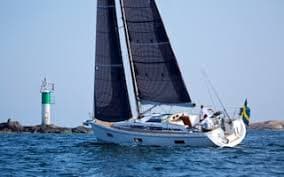
With more than half the race nautical miles now completed, the Clipper Round The World Race fleet reached the mathematical midpoint when the boats closed out Leg 5 and arrived into Subic Bay between 10–14 February; Team Warrant was first to finish, crossing the line on the evening of 10 February after 20 days, 18 hours and 56 minutes at sea.
Leg 5 (Stage 6) Results — Arrival Breakdown
| Position | Team | Skipper(s) | Arrival / Notes |
|---|---|---|---|
| 1 | Team Warrant | Dylan Kotze, Jade Godler | 10 Feb — 20d 18h 56m at sea |
| 2 | London Business School | — | ~9 hours after leader; suffered boom damage, mainsail dropped for inspection |
| 3 | Yacht Club Punta Del Este | — | ~3 hours after LBS — strong coastal tactics |
How the Leg Played Out
This Asia–Pacific stage started from Airlie Beach and used the tropical trades to power the fleet north. The combination of offshore and coastal routing made this section tactical: island chains create wind shadows and current funnels, so passage planning and split-second decisions mattered. On the Philippines approach, navigators had to thread through shifting winds and island topography — times when the best-laid plans turned into “all hands to the pump” moments.
London Business School’s result was notable because the boat arrived despite sustaining boom damage during a routine manoeuvre; the team prudently dropped the mainsail and rigging for inspection before the final approach. That kind of quick damage control is exactly the sort of seamanship that keeps a circumnavigation on track.
📚 You may also like
Clipper Race Structure — The Eight Legs
Overview of the Route
- Leg 1: Portsmouth (UK) → Puerto Sherry (Spain) → Punta del Este (Uruguay)
- Leg 2: Punta del Este → Cape Town (South Africa)
- Leg 3: Cape Town → Fremantle (Australia) — Roaring Forties
- Leg 4: Fremantle → Airlie Beach (Australia)
- Leg 5: East Australia → Subic Bay (Philippines) → Qingdao (China)
- Leg 6: Qingdao → Seattle (USA)
- Leg 7: West Coast USA → Panama Canal → East Coast USA
- Leg 8: East Coast USA → Oban (Scotland) → Portsmouth (UK)
Logistics and Port Operations Observed
Across Leg 5 the operational focus was on safe berthing, rigging inspections, and quick-turn provisioning. When a boat like London Business School drops a mainsail for inspection, shore teams and marinas must be ready with craneage, spare parts, and skilled riggers. Those are the backend supply-chain moves that often decide whether a team loses hours or days.
| Port | Main Challenge | Typical Services Required |
|---|---|---|
| Subic Bay | High traffic, shore-side rigging support | Repair yards, craneage, provisioning |
| Qingdao | Customs, crew rotations | Customs agents, crew transport, medical |
| Airlie Beach | Last fuel and provisioning before open Pacific legs | Fuel bunkering, stores, weather briefings |
What This Means for Charter and Yacht Operators
Race logistics ripple through the wider recreational and commercial boating market. Here are a few practical knock-on effects for the charter and boat-rental community:
- Marinas see surges in demand for haul-outs and rigging work during race windows — plan staffing.
- Provisioning and spares become critical: local suppliers can pick up work and sales for sails, winches, and rigging.
- Training opportunities increase; charter captains can refresh offshore and emergency procedures.
- Destinations on the race route get boosted visibility — a neat marketing moment for yacht charter agents.
What Renters and Captains Should Watch
- Marina congestion during arrival windows — book berths early.
- Insurance and damage-control procedures — know who fixes a damaged boom.
- Local weather patterns around islands and gulfs — they shape safe passages.
- Provision chain resilience — spare parts and local suppliers matter.
All told, Leg 5 showed that race-winning performance is not just about speed; it's about maintenance, logistics and clever routing. For anyone in the charter or boat rental scene, those same elements translate into smarter operations, from captain training to shore-side service offerings. It’s a small world — the race keeps the marinas busy and the local boating economy humming.
In summary, the Clipper Round The World Race reached its midpoint with Team Warrant leading Leg 5 into Subic Bay, but the story of the leg was as much about logistics — rigging repairs, provisioning and port operations — as it was about pure sailing speed. The eight-leg structure continues to test crews across ocean and coastal conditions, and those pressures influence yacht charter markets, boat rent services, marinas and local sale and repair businesses. Whether you’re a captain, a charter operator or a weekend boater, the race highlights key considerations for yacht maintenance, marinas, destinations and activities — from superyacht support to small-boat fishing and lake cruising — keeping yachting, sailing and boating communities connected to the sea and sunseeker lifestyle.


