Choosing the Right Clew Connection for Your Boat
Alexandra
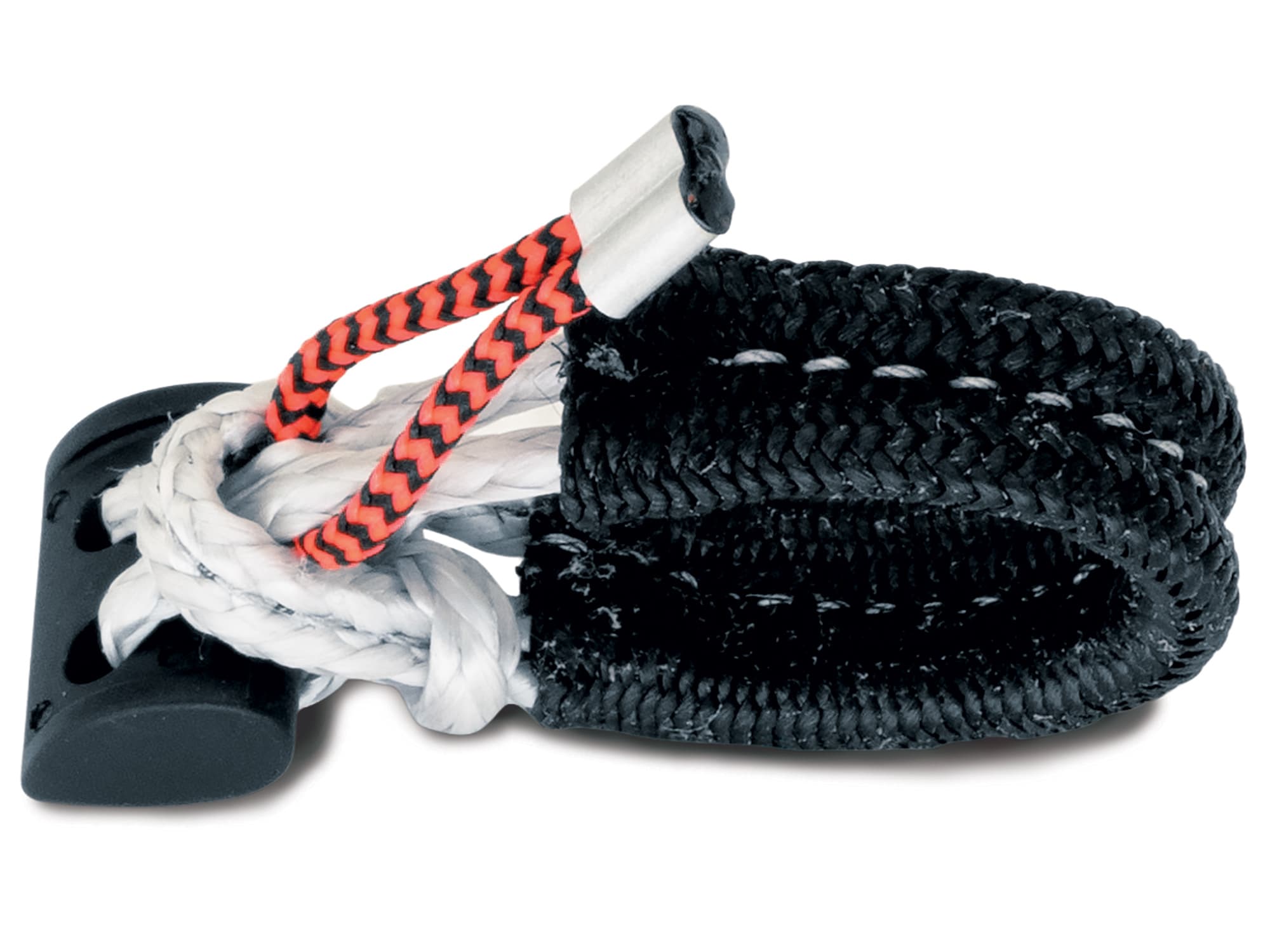
On a typical 36‑foot cruiser, a bulky bowline at the clew increases the likelihood of snagging on fairleads, shrouds and lifelines, altering deck logistics and slowing sail changes during critical maneuvers.
Why connection choice matters on deck
Connection type directly influences four operational axes: strength retention, bulk at the clew, ease of change, and damage risk to hull or canvas when hardware or lines flog. In short‑handed charter situations or rental fleets, the ability to swap sails quickly and safely can determine turnaround time between rentals and affect guest safety. For racing teams, minimal bulk and predictable failure modes are paramount; for cruisers and charter operators, reliability and low maintenance win out.
Knots and simple hitches: pros and cons
The most basic solutions — the luggage tag (cow hitch), bowline, and buntline hitch — remain popular from dinghies to cruising sloops. Their advantages are low cost, simplicity and universal familiarity. The luggage tag is compact, non‑slipping and allows trim very close to cars and blocks, which can be a rules or class advantage.
📚 You may also like
Drawbacks are clear: knots can reduce line strength by as much as 50%, they create bulges that snag, and in soft polyester they can set like adhesive (the “3M 5200 of knots”) after wet/dry cycles. On larger race boats a bulky knot can be hazardous to crew crossing forward.
Hardware solutions: speed and robustness
Hardware options range from small, ball‑bearing blocks on clew rings to high‑load titanium T‑rings and trigger snap shackles. Brands such as Tylaska, Ronstan and Wichard dominate this category with stainless and titanium parts that are strong, reliable and quick to operate. J‑Lock shackles from Tylaska offer a low profile that fits through most genoa lead cars, making sheet changes fast and less likely to damage gelcoat or canvas.
Two practical caveats: weight and flog damage. Heavy metal fittings can dent deck hardware or jam in narrow fairleads; they also create opportunities for chafe or abrasion on sails and covers. Removable neoprene boots and padded protectors are often required when snap shackles are used in exposed positions.
Textile and hybrid connectors: the rise of soft systems
With the proliferation of low‑diameter, high‑strength single‑braid fibers like Dyneema and other HMPE fibers, textile systems have become mainstream. These spliced solutions keep weight and bulk to a minimum, avoid permanent strength loss from knots, and are ideal where lines drag across rigging during gybes.
Soft shackles and pigtails
A classic soft shackle is made from a short length of single‑braid HMPE, looped back into itself and locked with a stopper. These items are light, strong and UV‑stable, and can be tailored with chafe sleeves, PU coatings or ripcords. Soft shackles can connect sheets to clews, attach deck hardware, or link snatch blocks without metal on metal.
- Advantages: ultra‑light, low bulk, zero water absorption, minimal stretch.
- Disadvantages: slower to open than a trigger shackle, susceptible to chafe, and can stiffen with age.
A practical textile trick for asymmetric spinnakers is the pigtail: two 1‑inch eyes in the stripped ends of spin sheets are lashed together with a ~20‑inch Dyneema tail that is then secured to the clew with a single bowline. This keeps the connection slim and easy to pass around rigging during a jibe.
Hybrid connectors and clever fittings
Hybrid pieces combine hardware and textile benefits. Examples include anodized dog bones, spool shackles, and covered spools that accept a spliced eye and add a soft rubber ring for security. Manufacturers such as Antal, Equiplite, Nodus, Ropeye and Harken innovate in this space, with some commercial units rated in the thousands of tons for heavy industrial or large commercial rigs.
Comparison at a glance
| Connection | Strength retention | Bulk / snag risk | Best use |
|---|---|---|---|
| Knots (bowline, luggage tag) | Low (up to −50%) | High | Small boats, simple cruising, low cost |
| Metal snap / T‑ring / J‑Lock | High | Medium | High‑load racing, frequent sail changes |
| Soft shackle / Dyneema splice | High (no knot loss) | Low | Asymmetric kites, light‑air rigs, charter fleets |
| Hybrid (spool, dog bone) | Very high | Low–Medium | Performance cruising, mini‑maxi, commercial |
Maintenance, safety and fleet operations
For charter operators and rental fleets, the optimal connection balances serviceability and user safety. Textile connectors reduce the risk of damage to rented boats and simplify storage, while robust hardware minimizes accidental releases. Training crew and charter guests on quick inspection of soft shackles, splice wear and chafe points prevents in‑season failures and reduces downtime.
Practical tips for choosing a system
- Match the connector to mission: racing, cruising, day charter or bluewater passagemaking.
- Consider interchangeability: how fast can a sail be swapped during a charter turnover?
- Factor in crew skills: knots are universal; some textile splices require a rigger or a fid.
- Plan for chafe protection when using HMPE: sleeving or protective coatings extend life.
The GetBoat service always keeps an eye on news related to sailing and seaside vacations, because we truly understand what it means to enjoy great leisure and love the ocean. GetBoat values freedom, energy, and the ability to choose your own course, placing no limits on a good life and helping clients find a vessel that suits their preferences, budget, and taste. By appreciating the nuances of clew connections, charter operators and renters alike boost safety, reduce maintenance, and preserve the pleasure of a hassle‑free sea day.
Provide a short forecast on how this news could impact the global tourism and travel map. On a global scale these rigging refinements are incremental rather than disruptive; they won’t redraw tourist flows. However, they are significant for operators and fleet managers who prioritize fast turnover, low maintenance costs and guest safety. Start planning your next seaside adventure and make sure to book the best boat and yacht rentals with GetBoat before the opportunity sails away!
Important takeaways: connection choice affects performance, deck logistics, safety and maintenance costs; soft solutions lower weight and bulk while hardware offers instant release and durability; hybrids can offer the best compromise. Experiencing a new location is always a multifaceted process, where one learns about the culture, nature, the indescribable palette of local colors its rhythm of life and also the unique aspects of the service. If you are planning your next trip to the sea, you should definitely consider renting a boat (boat rentals, rent a boat, rent a yacht), as each inlet, bay, and lagoon is unique and tells you about the region just as much as the local cuisine, architecture, and language GetBoat.com
Summary: choosing between knots, hardware, soft shackles or hybrids is a balance of strength, bulk, speed of change and safety. Whether you operate a charter fleet, race committee or choose your next private coastal cruise, thoughtful clew connection choices save time and money while enhancing enjoyment. For anyone planning a yacht or boat charter, renting a sailboat for a day at the beach, or buying equipment for marinas and fleets, proper connectors make a measurable difference to sailing, yachting and boating experiences across lakes, gulfs and open ocean. Trust in transparent platforms for booking and sale decisions — from captain‑led trips to superyacht charters — and sail away with confidence.


