Class40 Crews Reset Sights on Route du Rhum
Alexandra
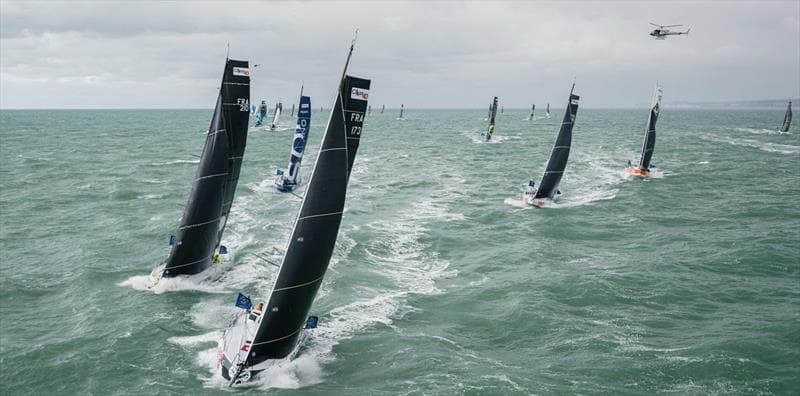
The Class40 calendar pins the Route du Rhum as the 2026 season pivot, with skippers scheduling refits, painting windows, freight bookings and class inspections around the race entry deadline; shipping slots from Caribbean yards to European regattas are already being locked in to ensure boats arrive rigged and certified on time.
Season logistics and campaign timelines
Campaign managers are treating the months before the Route du Rhum like a freight operator treats a critical port call: everything from mast freight to customs paperwork and spare-part inventory must be in place. Key touchpoints are:
- Paint and fairing windows — final cosmetic and structural work before system integration.
- Systems check and class measurement appointments — scheduled weeks in advance to avoid late penalties.
- Training blocks in varied weather — Caribbean winter sails for upwind mileage, North Atlantic tests for cold-water reliability.
- Crew logistics — visas, travel, and skipper transitions when co-skippers join for doublehanded events.
Skipper profiles and boat moves
| Skipper | Boat | Primary objective |
|---|---|---|
| Thomas Lurton | Class40 No. 166 (ex-Crosscall) | Build peaking program for Route du Rhum |
| Axel Trehin | Lift V3 (self-built project) | Complete construction, race and develop boat |
| Mateo Le Calvic | Class40 No. 185 | Transition from Class Mini, gain ocean maturity |
| Alexis Loison | New Class40 campaign | Target podium at Route du Rhum |
Thomas Lurton — a tactical switch to a scow
After two seasons aboard Class40 No. 100, Thomas Lurton moved to the scow-design Class40 No. 166 (formerly Crosscall). The decision was driven by performance appetite: pointed boats had contained his competitive potential, while the scow platform offers higher downwind speeds and different load management. The program is structured with incremental goals across the Class40 major races so endurance and reliability ramp up toward November. The logistics picture for Lurton includes freight planning for a winter testing block and spare inventory tailored to a scow’s rig and appendage loads.
📚 You may also like
Axel Trehin — building a campaign from the hull up
Axel Trehin’s program is rare in modern one-design and production-dominated fleets: he is building a Lift V3 with a small team that includes naval input from Marc Lombard and local help from Gepeto. Construction milestones — mold, assembly, deck finish, then paint — are being tracked like a shipyard schedule. Painting is a pivotal phase: once the deck fairing and systems are sealed, assembly accelerates. The economic side is equally tight; the first target is simply to be at the start line, then to iterate performance packages through measured sea trials.
Mateo Le Calvic — moving up the ladder
At 25, Mateo Le Calvic trades four seasons in Class Mini for the heavier, more physical world of Class40. He secured Class40 No. 185 in the Caribbean to maximize winter training and minimize transit costs. With co-skipper Pierre Boulin, Le Calvic treats the 2026 calendar as a formative season: the aim is not immediate podiums but boat control, sail trim precision and weather-routing discipline in long offshore legs.
Alexis Loison — aiming high from the outset
Fresh from wins in La Solitaire du Figaro and the Rolex Fastnet Race, Alexis Loison enters Class40 expecting the fleet’s intensity to be a step up. His checklist is straightforward: a technically ready, calibrated and reliable boat; practiced sail changes; and endurance strategies for extended solo legs. He rates scow hulls as “extremely fast” yet demanding — mistakes in sail transitions or trim are punished quickly. The clear target is a Route du Rhum podium, and preparation is being treated with military-style precision.
Practical prep checklist for Class40 campaigns
- Align paint/fairing completion with measurement appointments.
- Book freight and customs brokers early — Caribbean-to-Europe slots fill fast.
- Carry duplicate critical spares (hydraulics, autopilot components, daggerboard bearings).
- Schedule mixed-weather training blocks for sail inventory validation.
- Plan contingency funds for unexpected refits after sea trials.
For boat owners and charter operators, these moves matter: turnover in the Class40 market often releases well-prepared platforms into the sale and charter pool, and increased professionalization raises the value of reliably maintained hulls — considerations that ripple into yacht sales, second-hand boat listings and even short-term charters for training or corporate events.
In short, the 2026 Class40 season is shaping as a logistical puzzle and a performance sprint. Campaigns are defined by paint-shop dates, freight bookings, and the nitty-gritty of sea trials; skippers from Thomas Lurton and Axel Trehin to Mateo Le Calvic and Alexis Loison are aligning resources to peak for the Route du Rhum. Whether you follow for the racing drama or eye boats for sale or charter, the ripple effects will touch yacht owners, marinas and anyone involved in yachting, boating and recreational sailing — from superyacht brokers to small-boat rental outfits. The takeaway: logistics wins as often as raw speed, and good planning turns a fast hull into a podium contender. Yacht, charter, boat, beach, rent, lake, sailing, captain, sale, Destinations, superyacht, activities, yachting, sea, ocean, boating, gulf, water, sunseeker, marinas, clearwater, fishing.


