Visa Waiver Spurs China–Russia Travel and Trade
Alexandra
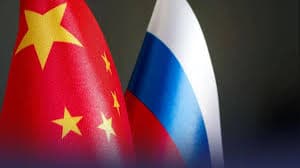
Chinese tourist arrivals in Russia have more than doubled since the mutual visa-free regime began, prompting visible operational shifts: Moscow reported over 20 small Chinese tour groups passing Red Square within minutes, Chengdu now operates 83 regular international and regional routes, and Leshan welcomed over 356,000 overseas visitors in 2025. Industry tracking shows arrivals rose 23% in Q4 2025 with analysts projecting a further 30% increase for summer 2026.
Operational changes at gateways and urban nodes
Airports and city transport are the first to feel the effects. Visa-free lanes and multilingual signage reduce dwell time at arrivals; Sanya’s airport now routes visa-waiver travelers to dedicated assistance desks. On the ground, cities adjust: Sanya installed 76 bus stops with Russian signs and a 24-hour Russian hotline, while Chengdu expanded payment acceptance with support for 21 overseas e-wallets and 5,000 ATMs enabling foreign-card withdrawals.
Typical traveler flow and touchpoints
- Pre-departure: shorter planning windows—some trips arranged within 10 days of travel.
- Arrival processing: visa-free lanes, language support, and one-stop services at airports.
- Local mobility: enhanced signage, translation support, and point-to-point transport options.
- Tourist services: themed photo studios, guided tours, and sector-specific offerings like TCM clinics.
How destinations adjusted product and services
Destination managers retooled offerings to convert higher footfall into better experiences. In Moscow, hospitality staff began learning Mandarin to greet guests and handle simple requests; at photo studios near Red Square, employees in period costume now use basic Mandarin phrases during peak flows. Sanya’s coordination with Russian cities opened 11 direct routes linking it to 10 major Russian centers, improving feeder flows into resort marinas and coastal operators.
📚 You may also like
Heritage and niche tourism—logistics of experience
Sites such as Leshan Giant Buddha reached high seasonal peaks requiring queue management, multilingual signage, and cashless payment readiness. At Chengdu teahouses and panda parks, longer stays replaced quick stopovers as travelers took time to savor local culture—this shift requires more day-tour capacity and flexible scheduling for guides and transport providers.
Table: Select operational metrics
| Location | Notable change | Logistics implication |
|---|---|---|
| Moscow / Red Square | Surge in small Chinese groups | Increased guide staffing, Mandarin training, micro-tour scheduling |
| Sanya (Hainan) | 11 direct routes to Russian cities | Higher peak-season arrivals; pressure on marinas and coastal charters |
| Chengdu | 83 international/regional routes | Hub expansion, cross-border payments, intermodal connections |
| Leshan | 356,000+ overseas visitors (2025) | Visitor flow control, heritage site logistics, transport coordination |
Business travel, exhibitions and cross-sector ties
For business operators, the visa waiver slashed lead times. Exhibition organizers report that events which once required weeks of planning can now be arranged in days, reducing overhead and enabling more spontaneous trade visits. Agricultural and grain firms expect lower travel friction to translate into faster negotiations; education exchanges are also benefitting as short-term study and research visits become simpler to schedule.
Service providers feeling the ripple effects
- Tour operators: scaling small-group itineraries and adding Mandarin-speaking staff.
- Transport firms: shifting to dynamically scheduled transfers to match surges.
- Hospitality: multilingual menus, one-stop concierges, and localized marketing.
Impacts on coastal tourism, marinas and charters
Coastal destinations and boating services see direct opportunities. Sanya’s influx points to greater demand for recreational boating, yacht charters, and marina services; local operators are expanding berth capacity and adding Russian-language booking support. That ripple reaches private boat rental markets and superyacht provisioning: suppliers must adapt to higher turnover, multilingual crew needs, and seasonally shifting inventories.
On the river and lake side, more relaxed entry rules encourage cross-border yachting and boating trips that were previously constrained by visa logistics. Charter companies, captains, and marina managers should expect increased inquiries and plan for scalable check-in, customs liaison, and translation assistance. As they say, where there’s smoke there’s fire—here, where there’s visa freedom there’s more demand.
In summary, the China–Russia visa-free arrangement has materially reshaped transport and service logistics: airport processing lanes, direct route growth, multilingual ground services, and destination operations all adapted quickly. The change boosts tourism and business exchanges while creating tangible opportunities for marinas, yacht and boat charter operators, and local service providers to expand offerings. Whether planning a beach day, a yacht charter, or a city visit, travelers and industry players alike will feel the effects across destinations, marinas and boating activities—more boats to rent, more captains hired, and more sunseeker-style moments in clearwater harbors.


