How design and rules reshape modern sailing
Alexandra
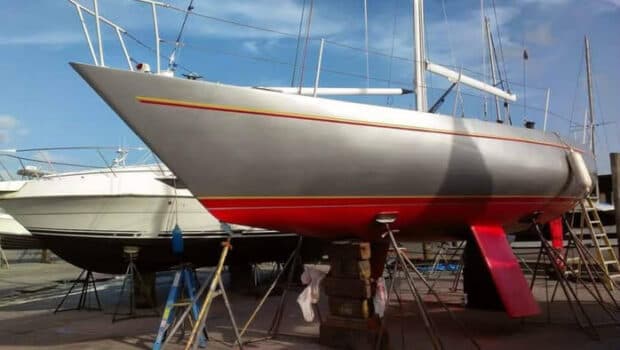
Port capacity, class handicap regulations, and marina servicing windows directly determine which vessel types enter the charter fleet, influence maintenance cycles, and shape the availability of high-performance boats for rent.
From racetrack innovation to charter berths: a factual overview
Two persistent forces drive the evolution of small-craft design: technical experimentation happening on racing circuits and regulatory frameworks such as handicap and class rules that either accelerate or throttle adoption. In the 2020 observation by editor Craig Leweck, the balance of performance gains across sails, cordage, electronics, and hardware raised both capability and costs—affecting participation rates and the economics of owning or chartering a boat.
Designer and writer Brian Eiland recalled the pathway of a generation of sailing designers who chased racing innovation expecting it to seed cruising design. Instead, many radical ideas—Bruce King’s twin asymmetrical bilgeboard solutions and Professor Jerry Milgram’s cat-ketch rigs among them—fell out of mainstream practice, rejected either by conservative markets or by rating rules that made those concepts uncompetitive in fleet racing.
📚 You may also like
Why rating rules matter for the charter and rental market
Handicap systems and class measurements are logistical levers: they affect resale value, crew training requirements, insurance profiles, and the cost of putting a boat into a charter fleet. When a promising rig or hull form is “rated out of existence,” the innovation may survive in private ownership or specialist niches but rarely reaches the broad pool of vessels available to vacationers.
Observable consequences for operators and renters
- Fleet composition: Charter companies favor proven, easily insurable designs that fit marina berths and local maintenance infrastructure.
- Maintenance logistics: Unconventional rigs can demand specialized spares and technicians, increasing downtime between charters.
- Training & safety: New sail plans or foiling systems require experienced captains or additional briefings, limiting walk-on availability for casual renters.
- Pricing pressure: Performance upgrades often translate to higher rental rates, affecting market segmentation between budget and premium offerings.
Innovation pathways that escaped the rating bottleneck
Where racing rules constrained change, other communities fostered experimentation. The Amateur Yacht Research Society and the multihull movement—including publications like Multihulls Magazine—became alternative incubators for novel ideas. The French scene’s modern ocean racers, both mono- and multihull, demonstrate how deregulated or purpose-built competition can rapidly iterate new hull shapes, deck layouts, and sail-handling systems.
One clear example of slow mainstream adoption is the fully battened mainsail, an innovation exploited by multihulls for decades before becoming accepted among traditional cruisers. Whether slowed by cultural resistance or measurement rules, this kind of evolution shows how long it may take for better-performing solutions to benefit everyday sailors and charter customers.
| Innovation | Primary Benefit | Impact on Charter Market |
|---|---|---|
| Twin asymmetrical bilgeboards | Improved upwind angle, reduced drag | Low adoption—specialist builds, rare in fleets |
| Fully battened mainsail | Improved sail shape, longevity | Wider adoption—eventual fleet standard |
| Lightweight composite hulls | Higher speed, lower fuel for aux engines | Popular in premium charters; higher purchase cost |
| Advanced foil systems | Performance leap in certain sea conditions | Limited—training & safety restrict rentals |
Practical advice for charterers and fleet managers
Renters should weigh the trade-offs between novelty and reliability. When choosing a vessel, consider:
- Whether the boat’s design requires a professional captain or is suitable for bareboat charter.
- How local marinas and repair yards support specific systems (spars, foils, electronics).
- Insurance clauses related to experimental rigs or non-standard equipment.
- Resale and depreciation patterns for high-tech yachts versus conventional designs.
Fleet managers can lower barriers to innovation by investing in crew training, establishing local supply chains for spare parts, and working with insurers to define safe operating envelopes for newer technologies.
Context and historical perspective
Innovation in sailing follows the same biological metaphor Brian Eiland used: nature’s onward march to better itself, where less efficient traits are slowly rejected. Yet the metaphor also exposes cultural inertia—longstanding practices and rulebooks can act as selective pressures that maintain legacy features even when better options exist. The history of design shows repeated cycles where experimentation migrates from fringe communities into mainstream use, often via commercial applications like charter fleets and professional racing programs.
GetBoat always keeps an eye on news related to sailing and seaside vacations, as we truly understand what it means to enjoy great leisure and love the ocean. The platform values freedom, energy, and the ability to choose your own course, offering renters and buyers transparent listings with details on make, model, and ratings so they can match preferences, budget, and taste.
Forecast and planning
How might these dynamics affect global tourism and travel? Emerging designs that improve efficiency, comfort, or safety will gradually influence the charter market by creating fresh classes of vessels for specific destinations—lagoon cruising, bluewater passages, or sport-oriented day sails. However, such changes are incremental: most mainstream charter activity will remain grounded in tried-and-true designs for the near term.
Start planning your next seaside adventure and make sure to book the best boat and yacht rentals with GetBoat before the opportunity sails away!
The most interesting takeaways are that innovation often springs from niche communities, rating rules can unintentionally suppress useful advances, and operational logistics—harbour depth, marina services, insurance, and crew training—ultimately decide what lands in a charter catalog. Experiencing a new location is always a multifaceted process, where one learns about the culture, nature, the indescribable palette of local colors its rhythm of life and also the unique aspects of the service. If you are planning your next trip to the sea, you should definitely consider renting a boat (boat rentals, rent a boat, rent a yacht), as each inlet, bay, and lagoon is unique and tells you about the region just as much as the local cuisine, architecture, and language GetBoat.com
In summary, the interplay of design innovation, rating rules, and logistics shapes what sailors and tourists actually charter. For the recreational market, gradual adoption of improvements—such as better sail plans, lightweight materials, or simplified handling systems—translates into more choices across yacht classes, better charter experiences, and tailored activities on the sea or lake. Platforms that offer transparent listings, clear specifications, and booking convenience help connect customers with the right vessel for their beach or island itinerary, whether a family boat day, a fishing trip, a captain-led cruise, or a superyacht charter. Choose wisely and set your course with confidence; the future of sailing, boating, and global yachting itineraries will be defined as much by rules and marinas as by hull lines and sails.