Charlotte Rose: from Trials loss to renewed campaign
Alexandra
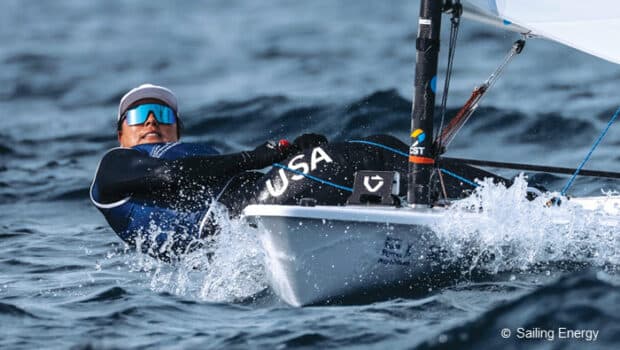
Race logistics and travel stresses shaped the 2024 Trials outcome
At the eight-day 2024 U.S. Olympic Trials in Miami, compressed race schedules, shifting wind windows, and tight on-site boat handling procedures magnified the penalty for a single early start in the ILCA 6 fleet. Travel between major regattas—from Palma de Mallorca to Hyères and back to the U.S.—added fatigue and logistical complexity that influenced athlete recovery and decision-making immediately after Trials.
From defeat to comeback: a factual timeline
| When | Event | Outcome / Impact |
|---|---|---|
| February 2024 | U.S. Olympic Trials (Miami) | Most race wins in ILCA 6 but critical mistakes on penultimate race; lost berth to Erika Reineke |
| Spring 2024 | Trofeo Princesa Sofia (Palma) | Competed under duress; finished season strong despite illness and weight loss |
| Late spring 2024 | Hyères (Mediterranean) | Gold medal; season-ender that rebuilt confidence |
| August 2024 | Paris Olympics | Watching the Games reignited motivation for LA 2028 |
| 2025–2028 | International circuit & Trials campaign | New process-focused training intended to produce a resilient campaign |
Key moments that defined the reset
- Early start at Trials: a single pre-start error on the penultimate race that changed selection outcomes.
- Immediate reaction: profound grief and the impulse to quit, illustrating psychological stakes in elite sailing.
- Support network: mentors Leandro Spina and Sally Barkow, family, and teammates provided both practical advice and emotional steadiness.
- Season finish: winning Hyères after illness and loss rebuilt competitive momentum.
Psychology, process and the practical steps back to racing
Charlotte Rose’s arc after Trials highlights three interdependent recovery pillars: emotional processing, logistical reset, and a restructured training process. Emotionally, grief was real and immediate; she described breaking down in the parking lot and feeling numb. Logistically, she paused travel (choosing to return home from Palma) to recuperate physically—losing 10 pounds and twice suffering influenza underscored the need to manage travel-related health risks. Practically, she and her coach have focused on building an unbreakable process—routine, mental cues, and pre-race procedures that protect performance under pressure.
Training components in the new plan
- Process over outcome: developing habits that perform reliably irrespective of scoreboard pressure.
- Race simulation: rehearsing starts and penalty recovery in variable wind windows to reduce catastrophic errors.
- Recovery logistics: planned travel, nutrition, and rest to avoid illness between regattas.
- Mental skills: visualization, controlled breathing, and checkpointed debriefs after each race.
How mentors and family factors influence elite prep
Mentorship from experienced figures and steady family support were decisive. Leandro Spina and Sally Barkow provided perspective that performance at Trials did not define a sailor’s career, and family — notably father Darren Rose — remained a motivating force. That combination helped transform acute disappointment into a long-term commitment to LA 2028.
📚 You may also like
Implications for charter markets and coastal tourism
High-profile athlete narratives like Rose’s have ripple effects on coastal tourism and charter demand. A sailor’s visibility after a comeback can boost interest in regional regattas and increase bookings for day charters, yacht charters, and sailing schools near event venues. For boat owners and marinas, regatta seasons require operational planning: berth allocation, transport logistics between marinas, and guest services for visiting teams and supporters. For renters, awareness of racing schedules and local events helps time a sailing trip to catch competitive action or avoid congested marinas.
Practical takeaways for sailors and renters
- Check regatta calendars when planning charters to anticipate busy marinas and higher demand.
- Allow extra travel days around major events to minimize illness risks and ensure rigging time.
- Choose vessels and routes that match the crew’s stamina—short hops and sheltered bays can aid recovery after intensive racing or long travel.
Rose’s comeback also offers lessons for anyone renting a boat for sport or leisure: plan logistics as carefully as tactics on the water, respect local weather patterns, and make contingency plans for health and equipment issues.
Highlights and the broader experience of place
The important and interesting aspects of Charlotte Rose’s story include the thin margin between triumph and heartbreak, the role of mentorship, and the necessity of process-driven training. At the same time, experiencing a new location is always multifaceted: one learns about the culture, nature, the indescribable palette of local colors, its rhythm of life and also the unique aspects of the service. If you are planning your next trip to the sea, you should definitely consider renting a boat (boat rentals, rent a boat, rent a yacht), as each inlet, bay, and lagoon is unique and tells you about the region just as much as the local cuisine, architecture, and language GetBoat.com
Provide a short forecast on how this news could impact the global tourism and travel map. However, it's still important to us since GetBoat aims to stay updated with all developments and keep pace with the changing world. Start planning your next seaside adventure and make sure to book the best boat and yacht rentals with GetBoat before the opportunity sails away!
In summary, Charlotte Rose’s trajectory from a crushing Trials loss to a season-ending victory and renewed Olympic ambition is a study in resilience: logistical choices, health management, and a disciplined, process-oriented training plan combined to convert setback into momentum. For sailors, charterers, and coastal businesses, the story underlines the value of careful scheduling, robust travel and recovery plans, and community support. Whether you seek a chartered yacht for regatta spectating, a small sailboat for a quiet bay, or a captain-led excursion along coastal marinas, platforms that offer transparent listings—showing make, model, ratings and clear options—make it easier to match vessel, crew, and destination. Set your course.