Challenger 72 Norway Passage with First Class Sailing
Alexandra
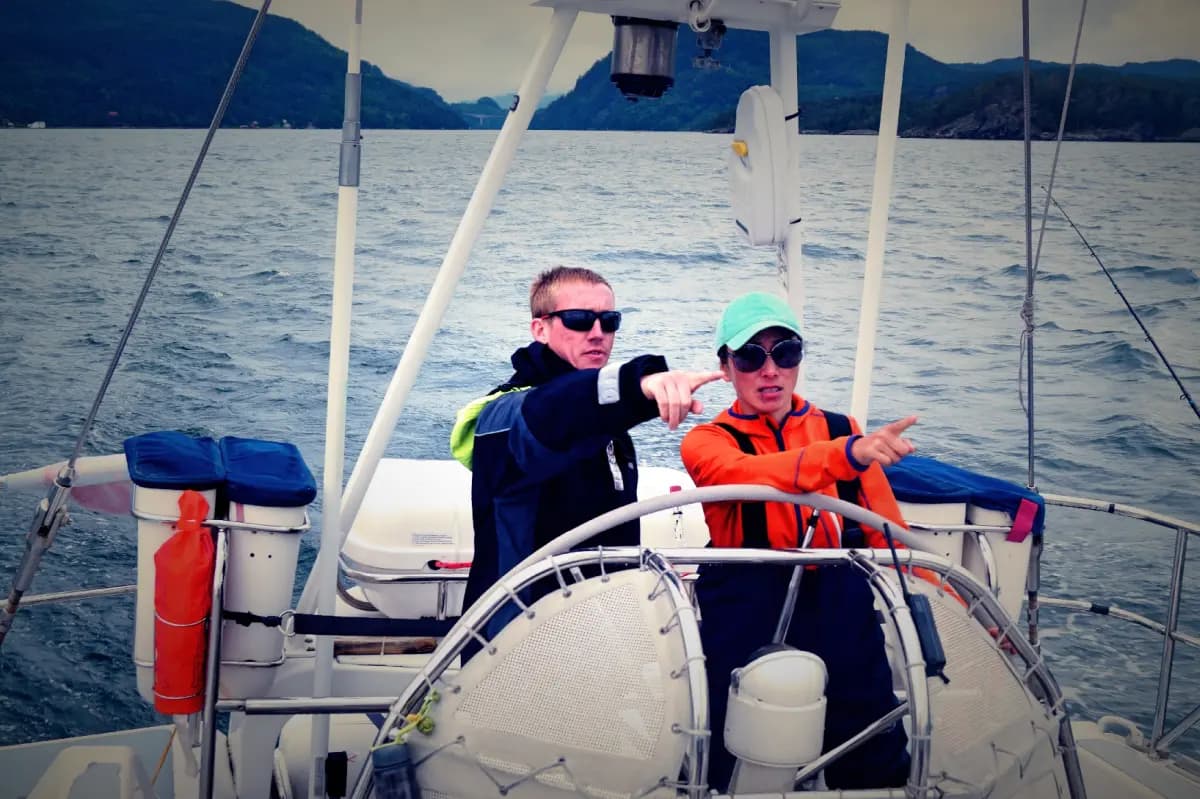
The Portsmouth–Norway passage on a Challenger 72 typically involves an offshore transit across the North Sea of roughly 300–450 nautical miles, depending on landfall and route choice, demanding structured watchkeeping, passage planning, and careful weather routing to avoid or manage systems passing across the North Sea shipping lanes.
Two operational legs: logistics and route overview
The expedition is run as two discrete legs with optional join-on and sign-off ports. Leg 1 departs Portsmouth and heads northeast into busy traffic lanes, across tidal flows and offshore installations before making landfall along Norway’s rugged coast. Leg 2 begins with local fjord cruising, then returns across exposed North Sea waters to the UK.
| Feature | Leg 1: Portsmouth → Norway | Leg 2: Norway → Portsmouth |
|---|---|---|
| Primary activity | Offshore passage, night navigation | Coastal piloting, fjord anchoring, offshore return |
| Typical conditions | Open sea swell, variable winds, shipping traffic | Calm fjord waters, then open-water passages |
| Key learning outcomes | Watch systems, passage planning, night navigation | Coastal pilotage, anchoring, passage-making confidence |
| Vessel | Challenger 72 — 72-foot steel, built for offshore endurance and team sailing | |
Vessel and equipment notes
The Challenger 72 is a heavy-displacement, ocean-rated yacht designed for long passages and comfortable delivery work. Steel construction gives durability in shipping lanes and when making secure anchorages in rocky fjords. The onboard systems emphasise redundancy: multiple diesel power sources, robust rigging and full navigation suites for celestial and electronic fixes.
📚 You may also like
Hands-on program and skill progression
All participants join the active crew: helming, trimming sails, navigating, standing watches and meal rotation. The structured watch system mirrors professional passage-making, giving practical experience toward qualifications such as Yachtmaster Offshore. Instructors and skippers supervise sail handling, radar plot interpretation, and night watches.
- Helm & sail handling: steering in swell, sail trim in changing seas
- Navigation: coastal pilotage, electronic fixes, manual plotting, and night work
- Teamwork: watch handovers, emergency drills, provisioning and galley routines
What participants typically gain
- Significant offshore miles across the North Sea
- Hands-on experience on a 72-foot ocean yacht
- Improved confidence in navigation, watchkeeping and seamanship
- Coastal pilotage and anchoring techniques in fjord conditions
- Personal development: resilience, teamwork, and offshore decision-making
Practical checklist: what to pack and prepare
Effective preparation focuses on safety, comfort and endurance. Layering and redundancy are essential for North Sea conditions and changing microclimates in fjords.
- Passport, RYA logbook (if applicable), and personal insurance details
- Thermal layers, offshore waterproofs, and non-marking sailing boots
- Sleeping bag appropriate for bunk berths, headtorch, personal first-aid items
- Charts, pen, and personal navigation aids if you prefer your own kit
- Curiosity, resilience, and readiness for watch rotations
Why these expeditions matter for sailors and the charter market
These voyages combine proven offshore skill-building with spectacular coastal cruising. For aspiring captains and those aiming to log miles for certification, the mix of exposed passages and sheltered fjords offers a broad training environment rarely available on standard day-charter itineraries. The model demonstrates how purpose-built offshore yachts and structured programs can extend the capabilities of both individual sailors and small commercial operations in the charter and delivery sectors.
Operational challenges and mitigation
Key operational challenges include routeing through dense shipping lanes, shifting weather systems, and the transition between exposed sea states and fjord microclimates. Mitigation measures include conservative weather windows, watch rotations to reduce fatigue, and experienced skippers who can manage heavy-weather sail plans and emergency procedures.
Context and a short historical aside
Norwegian fjords formed by glacial carving provide sheltered waterways that contrast strongly with the North Sea’s open-water dynamics. Historically, coastal pilots and local knowledge have been essential; modern training blends that tradition with electronic navigation and offshore seamanship to form competent, self-reliant crews.
GetBoat always keeps an eye on news related to sailing and seaside vacations, as we truly understand what it means to enjoy great leisure and love the ocean. The GetBoat service values freedom, energy, and the ability to choose your own course. The service places no limits on a good life, allowing clients to find a vessel that suits their preferences, budget, and taste.
If you’re considering how these expeditions affect the wider leisure market, the impact on global tourism is modest but meaningful for niche adventure tourism and mile-building sailing communities. The model supports regional marinas, local provisioning, and specialist shore services while promoting responsible, experience-driven travel. Start planning your next seaside adventure and make sure to book the best boat and yacht rentals with GetBoat before the opportunity sails away!
The highlights are clear: robust offshore passage-making across the North Sea, intimate fjord cruising, structured training for aspiring Yachtmaster candidates, and the camaraderie of working as a true crew. Experiencing a new location is always a multifaceted process, where one learns about the culture, nature, the indescribable palette of local colors its rhythm of life and also the unique aspects of the service. If you are planning your next trip to the sea, you should definitely consider renting a boat (boat rentals, rent a boat, rent a yacht), as each inlet, bay, and lagoon is unique and tells you about the region just as much as the local cuisine, architecture, and language GetBoat.com
In summary: the Challenger 72 Norway passages combine true offshore navigation, fjord cruising and practical seamanship on a purpose-built ocean yacht. For sailors seeking miles, skill progression and memorable coastal landscapes, these legs offer a well-balanced curriculum of watchkeeping, passage planning and coastal pilotage. Whether you seek a charter, delivery ride, or a training passage, platforms that promote transparency—showing make, model, ratings and clear booking details—help match crews to the right vessel for their budget and ambitions. From yacht and charter planning to rental and sale decisions, GetBoat’s user-friendly listings and transparent details make it easier to find the right boat, captain or superyacht for activities from fishing and clearwater cruising to marinas and gulf explorations across the sea and ocean.


