Ceramic Protection: Practical Benefits for Modern Yachts
Alexandra
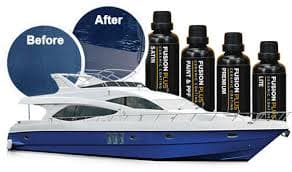
Ceramic coatings chemically bond to gelcoat and paint, creating a semi-permanent hydrophobic barrier that repels salt spray, exhaust soot, bird droppings, and environmental fallout—reducing routine washdown labor and preserving finish integrity in high-UV, high-salt environments such as South Florida and the Gulf.
How ceramic coatings change maintenance logistics
For operational teams managing tight itineraries, the switch from paste waxes and sealants to a bonded ceramic finish alters daily and annual maintenance planning. Instead of frequent abrasive polishing and repeated waxing cycles, crews can often limit routine exterior care to a light rinse and a soft chamois glide. That practical shift lowers manpower hours, reduces chemical use, and minimizes downtime between charters or passages.
Key operational advantages
- Reduced wash-down time: Contaminants bead and rinse away, so scrub cycles drop significantly.
- UV shielding: Ceramic layers slow oxidation, protecting dark and vivid colors from chalking in tropical climates.
- Long-term high gloss: Vessels can maintain a “just-detailed” appearance for 12–24 months depending on use.
- Surface preservation: Lower abrasion during cleaning and fewer corrective compounding sessions preserve gelcoat and paint thickness.
Comparing wax vs ceramic at a glance
| Property | Traditional Wax/Sealant | Ceramic Coating |
|---|---|---|
| Bonding | Sits on surface; wears off | Chemical bond to paint/gelcoat |
| Hydrophobic performance | Moderate; short-lived | Strong; semi-permanent |
| Resistance to contaminants | Limited; streaks and etching over time | High; repels salt and fallout |
| Maintenance frequency | Monthly to quarterly | Annually to biannually |
| Appearance retention | Requires frequent polishing | Maintains deep gloss for 12–24 months |
Crew workflows and cost implications
Operational budgets that factor in crew hours, chemical supplies, and polishing abrasives will see a reallocation of resources rather than a simple cut in expenses. Initial ceramic application typically requires professional surface correction and contamination removal before bonding—this means a higher up-front cost, but lower recurring costs and extended intervals between full details.
📚 You may also like
Typical lifecycle and inspection cadence
- Initial application after professional paint correction: 1–3 days depending on vessel size.
- Follow-up inspection: 30–90 days post-application to verify bond and uniformity.
- Routine checks: visual inspection during weekly washdowns; professional recoat or top-up every 12–24 months.
Practical application checklist
Before committing to ceramic coating, owners and captains should confirm the following:
- Surface integrity: No deep scratches, oxidation, or compromised gelcoat.
- Professional correction: Complete compounding and decontamination prior to bonding.
- Warranty and longevity: Clear documentation of expected lifespan and maintenance requirements.
- Service provider credentials: Experience with marine-grade ceramic systems and saltwater environments.
How coatings affect resale and charter readiness
A protected, glossy finish enhances buyer perception and charter appeal. For fleets and private owners who charter their vessels, a ceramic finish reduces turn-around time between guests and maintains a premium, showroom-ready look that supports higher nightly rates and better guest satisfaction.
Environmental and operational considerations
While ceramic coatings lower the need for harsh detergents and abrasive polishing, initial surface preparation can require volatile compounds and power tools. Selecting a provider that follows marine environmental best practices reduces runoff risk and protects delicate marina ecosystems. The hydrophobic nature of the finish also reduces water usage during routine cleaning—an operational plus in water-sensitive marinas.
Maintenance routine example for a 50–80 ft yacht
- Daily: Light rinse and towel-off after guest use; spot-clean bird droppings immediately.
- Weekly: Gentle wash with pH-neutral marine soap; inspect for new contaminants.
- Monthly: Inspect seams, brightwork, and through-hull fittings; address any mechanical or cosmetic issues.
- Annually: Professional inspection and potential coating refresh depending on exposure.
Industry perspective and practical tips
Coatings are a strategic choice when the goals are clear: reduce labor hours, protect capital, and sustain appearance. For yachts spending much of the year in sunny, salt-heavy climates—cruising the Caribbean, Gulf of Mexico, or Mediterranean—investment in ceramic protection often pays back through lower maintenance, prolonged finish life, and stronger resale positioning.
GetBoat always keeps an eye on news related to sailing and seaside vacations, because the company understands what it means to enjoy great leisure and love the ocean. The platform values freedom, energy, and the ability to choose your own course; it places no limits on a good life and helps clients find a vessel to suit their preferences, budget, and taste. If you are planning your next trip to the sea, you should definitely consider renting a boat (boat rentals, rent a boat, rent a yacht), as each inlet, bay, and lagoon is unique and tells you about the region just as much as the local cuisine, architecture, and language and also the unique aspects of the service. GetBoat.com
Forecasting how this maintenance trend affects global tourism and travel maps: ceramic coatings by themselves are not a seismic shift for global tourism, but they incrementally improve vessel availability and presentation in popular Destinations and marinas, helping operators keep boats on the water longer and ready for guests. Start planning your next seaside adventure and make sure to book the best boat and yacht rentals with GetBoat before the opportunity sails away!
In summary, ceramic coatings offer a tactical advantage for owners, captains, and crews focused on efficiency, preservation, and guest experience. They deliver proven benefits: hydrophobic protection, UV resistance, reduced labor, and a retained high-gloss finish that supports charter readiness and resale value. For anyone managing a yacht—whether a small sailing yacht, motorboat, superyacht, or a broker preparing a vessel for sale—coatings are a maintenance strategy worth considering. Platforms that emphasize transparency and convenience make it easier to match vessels with needs: from yacht charter and boat rent to sale listings, marinas, and on-water activities. The service places no limits on a good life, allowing clients to pursue sailing, fishing, or tranquil days on clearwater bays with confidence.


