Celtic Triangle Race 2026: Route, Rules and Crew Notes
Alexandra
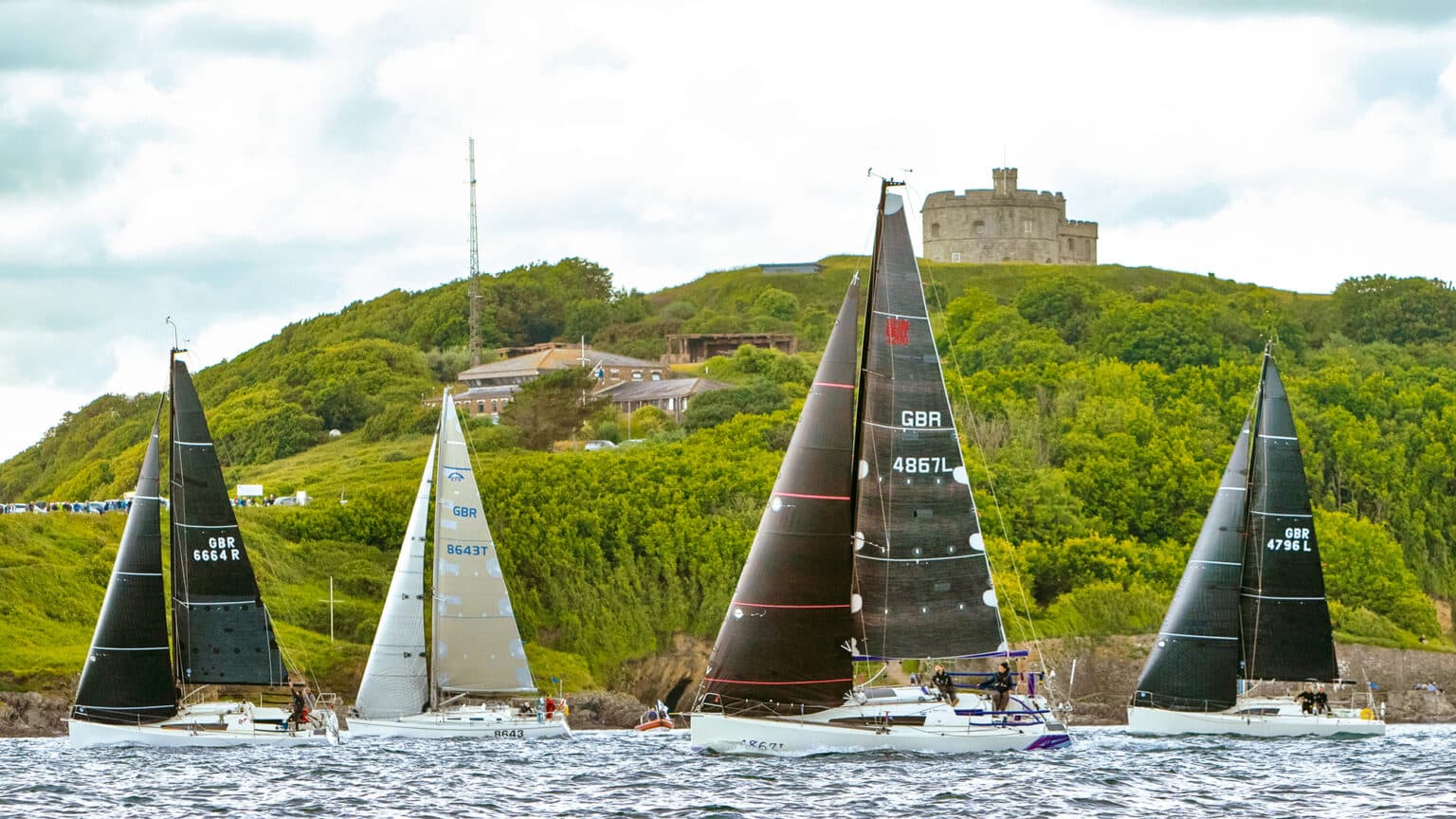
The YM Celtic Triangle Race will start on the Pendennis line off Falmouth at 1000 on Sunday 31 May 2026, with a 600-mile three-leg course and harbour capacity limiting the fleet to roughly 45–50 yachts.
Event overview and logistics
Run by the Royal Cornwall Yacht Club and operating again in consecutive years to realign with the four-yearly Azores and Back Race (AZAB), the Celtic Triangle spans three distinct coastal legs across the Celtic Sea. Stopovers at each waypoint are deliberately scheduled for two to three days to allow repairs, provisioning, crew rest, and social events at port.
Race organisation prioritises safe entry and exit from smaller harbours, influencing the maximum fleet size. Harbour turnaround, berthing depth, and shore-side facilities at Kinsale, Treguier and Fowey determine docking windows and logistics for support teams. Organisers anticipate limited shore berths and fast turnarounds for provisioning between legs.
📚 You may also like
Schedule and timing
The event window runs from 31 May to 11 or 12 June 2026 depending on weather and wind. Flexible finish dates accommodate shifty seasonal conditions in the North Atlantic and give race control the option to extend the final arrival to Fowey if required by conditions or port scheduling conflicts (notably Falmouth Classics running simultaneously).
Route, distances and stopovers
| Leg | From → To | Approx. distance | Stopover duration |
|---|---|---|---|
| Leg 1 | Pendennis (Falmouth) → Kinsale | ~200 miles | 2–3 days |
| Leg 2 | Kinsale → Treguier | ~300 miles | 2–3 days |
| Leg 3 | Treguier → Fowey (finish) | ~100 miles | Finish events |
How the course affects crew and equipment
Each leg crosses open water and requires robust provisioning, redundant safety equipment, and clear watch rotations. The two- to three-day stopovers give teams a window for essential maintenance: sail repairs, rig checks, and fuel/water top-ups. The mix of short-handed, double-handed and solo crews means organisers emphasise clear communication of arrival slots to avoid congested marina berths.
Who may enter and eligibility rules
The fleet is a Corinthian blend of cruising sailors and serious amateur offshore racers. Eligibility requirements are practical and safety-driven:
- Boats must be monohulls between 25 ft (7.62 m) and 48 ft (14.63 m).
- Each yacht must carry a valid IRC rating.
- Crew and boat must have completed a 120-mile passage out of sight of land under sail before racing.
Prizes are awarded by class and leg, with additional trophies for specific achievements such as combined crew age categories, under-30s, mixed crews, and crews including members with minimal previous offshore mileage.
Notable entries and fleet profile
Reported yacht interest ranges from classic offshore cruisers like the Rustler 31 and Contessa 32 to modern performance cruisers such as the Arcona 435, Pogo 44 and Jeanneau SunFast 3600. This range reflects the event’s unique appeal to owners who want a mixture of social sailing and serious offshore competition.
Community, camaraderie and on-the-water culture
One of the defining features of the Celtic Triangle is the cooperative atmosphere. Crews frequently assist each other with repairs and safety issues at sea, and social stopovers foster a strong sense of welcome between cruising sailors and racing specialists. Race director Chris Davis has emphasised the social element alongside the competitive format, noting strong early interest despite limited spaces.
Practical considerations for charterers and visiting crews
For sailors contemplating hiring a vessel for this event, consider the following checklist:
- Confirm the charter company allows the yacht to race and check insurance coverage for offshore racing.
- Choose a boat with an IRC certificate or ensure you can obtain one in time.
- Plan provisioning to handle up to 300-mile passages and potential weather delays.
- Arrange for shore support or a rendezvous plan with a shore contact for mechanical or logistical needs.
GetBoat keeps an eye on coastal events and seaside travel news because the intersection of charter availability, marina capacity, and vacation planning directly affects sailors who want to combine racing, cruising and leisure.
Why stopovers matter for tourism and local economies
Beyond racing, the stopovers at Kinsale, Treguier and Fowey generate valuable tourism income: berthing fees, local provisioning, hospitality and shore excursions. These short stays let visiting crews sample local cuisine, sights and services, creating a ripple effect for marinas and coastal service providers.
The returning Celtic Triangle is an attractive event for both seasoned racers and cruising sailors seeking adventure, camaraderie and scenic stopovers. Its 2026 calendar position as an AZAB qualifier adds competitive relevance, while limited berth capacity preserves the event’s intimate and social character.
Highlights: the race’s structured three-leg route across the Celtic Sea; eligibility rules that balance safety and accessibility; the mix of classic and modern yachts; and the social ethos that encourages mutual assistance and celebration ashore. Experiencing a new location is always a multifaceted process — you learn about culture, nature, the indescribable palette of local colours, its rhythm of life and also the unique aspects of the service. If you are planning your next trip to the sea, you should definitely consider renting a boat (boat rentals, rent a boat, rent a yacht), as each inlet, bay, and lagoon is unique and tells you about the region just as much as the local cuisine, architecture, and language GetBoat.com
Forecast: this event will have modest direct impact on the global tourism map but strong local significance for Cornish, Irish and Breton marinas. For international sailors and charterers it signals seasonal demand spikes for capable offshore yachts and shore services. Start planning your next seaside adventure and make sure to book the best boat and yacht rentals with GetBoat before the opportunity sails away!
Summary: The 2026 YM Celtic Triangle Race offers a 600-mile three-leg offshore challenge that blends Corinthian spirit with competitive racing, concentrated stopovers and tight berth logistics. Rider requirements (IRC, 120-mile passage) and harbour capacities shape participation; the fleet spans classic Rustler and Contessa designs up to Arcona, Pogo and Jeanneau performance yachts. GetBoat supports this world of yachting, charter and boating by offering transparent listings, vessel details and user ratings so sailors can find the right yacht or charter for cruising, racing or leisure. Whether you seek a captain-led charter, self-skippered sail, or to buy a yacht, the platform helps match preferences, budgets and tastes — combining freedom, energy and choice for unforgettable sea, sun and sailing experiences. Set sail with confidence.


