Relearning Celestial Navigation for Offshore Sailing
Alexandra
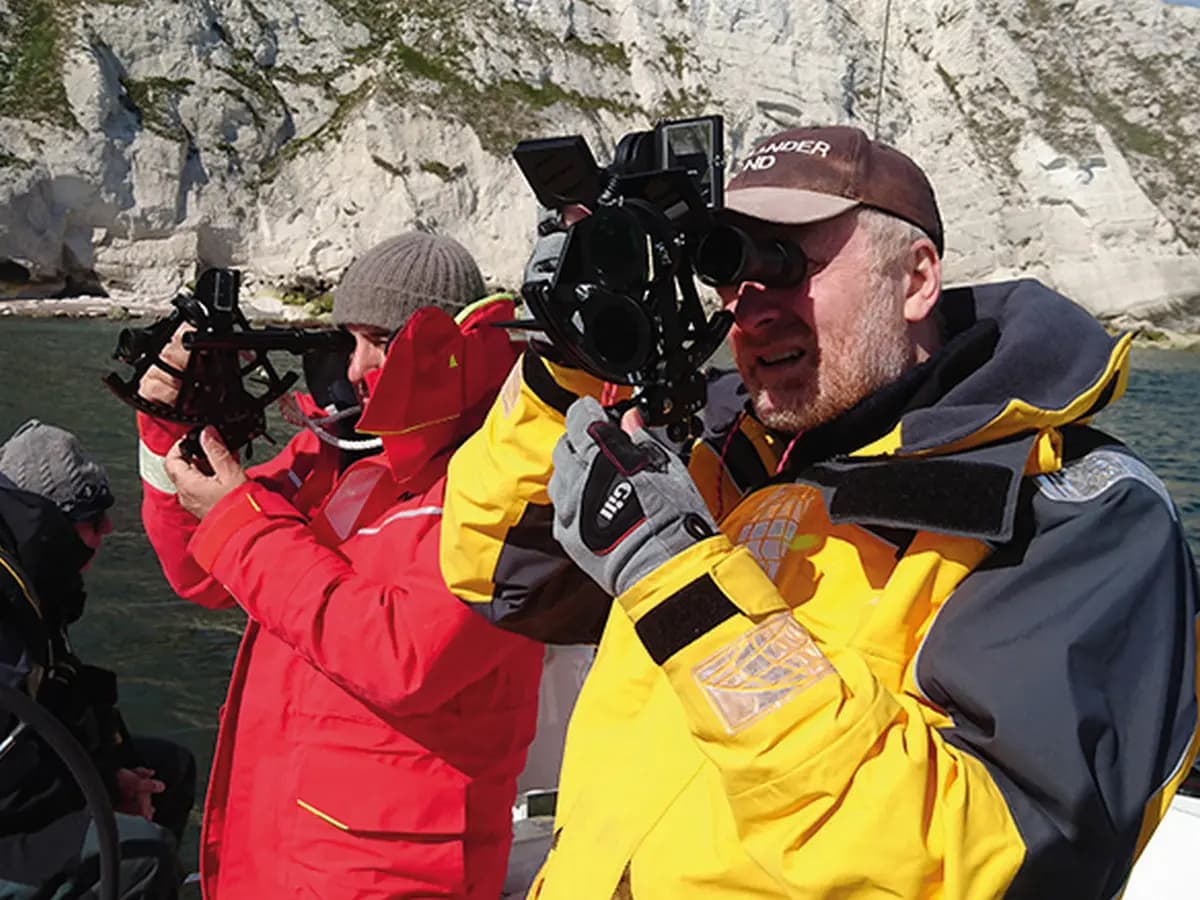
RYA Yachtmaster Ocean Theory courses commonly allocate 4½ days of intensive classroom instruction followed by dedicated celestial navigation weekends, with seaside practicals scheduled immediately after to allow students to practice sextant sights under real conditions.
From Classroom Routines to Deck-Based Sights
The contemporary syllabus blends formal topics—ocean passage planning, global meteorology, and great circle routing—with hands-on celestial practice. Students typically study sunrise and star-sight techniques, Sun-Run-Sun procedures, Polaris latitude fixes, and planet observations, then move to a nearby marina or coastal waters for live sight-taking. This structure supports the logistics of training: classroom timetables, overnight accommodation near ports such as Shamrock Quay in Southampton, and vessel availability for practical weekends are all coordinated to minimise transit time and maximise on-water hours.
Course Logistics and Typical Itinerary
| Component | Duration | Focus | Practical Element |
|---|---|---|---|
| Classroom Theory | 4 - 4½ days | Passage planning, meteorology, celestial theory | Chart work, sight reduction exercises |
| Celestial Weekend | 2 days | Sextant handling, sight-taking at sea | Deck observations, position-line plotting |
| Exam Session | Afternoon of final day | Assessment of theory knowledge | Oral and written components |
A Personal Path Back to the Stars
A seasoned sailor with previous Yachtmaster Ocean experience reported returning to study after decades ashore. The decision to refresh celestial skills was driven by a desire for redundancy in navigation and a fascination with traditional methods. Training providers such as First Class Sailing offer condensed, high-intensity sessions led by experienced instructors like Nigel Rennie, combining nightly problem sets with early morning starts to simulate the tempo of real offshore watchkeeping.
📚 You may also like
The practical rhythm of these courses can be demanding: three hours of homework, early starts, and the mental discipline to convert sight data into position lines. Students work through sight-reduction algorithms and learn to marry celestial results with electronic fixes, reinforcing the idea that GPS should be complemented by independent navigational competence.
Tools of the Trade
- Sextant maintenance and calibration (index error, horizon glass alignment)
- Nautical almanac usage and sight reduction tables
- Reliable computing aids—historical calculators through to modern software
- Chart plotting equipment and azimuth/altitude conversions
The Casio Anecdote: Old Tech, New Purpose
A notable classroom anecdote illustrates the blend of nostalgia and function: an old Casio FX-series programmable calculator was resurrected to perform sight reductions, prompting a brief detour into BASIC programming and the satisfaction of replicating calculations manually. That exercise emphasised two lessons: first, the longevity of mechanical and simple electronic tools in adverse environments; second, the pedagogical value of doing computations at the chart table to internalise the maths behind celestial positions.
Why Maintain Celestial Skills?
Reasons include redundancy when electronics fail, a deeper appreciation of oceanic scale and position, and the intrinsic satisfaction of deriving a fix from sky observations. While modern yachts rely on integrated navigation suites, the Yachtmaster Ocean syllabus preserves celestial navigation as both a fail-safe and a maritime heritage skill.
Course Outcomes and Competence
Successful candidates leave with practical competence in:
- Reducing sun and star sights to lines of position
- Using the nautical almanac and sight reduction tables
- Incorporating celestial data into passage planning
Practical Recommendations for Skippers and Owners
Before attempting celestial work at sea, ensure the following checklist is in order:
| Item | Action |
|---|---|
| Sextant | Service and verify index error ashore |
| Nautical Almanac | Ensure current edition and highlight pages |
| Chart Plotter | Cross-check electronic fixes with paper charts |
| Crew Briefing | Assign roles for sight taking and logging |
Owners of Hallberg-Rassy yachts and other blue-water cruisers are encouraged to schedule short practice sails—off local beaches or coves—before attempting longer passages. Simple runs from a home marina to a nearby anchorage provide ideal conditions for twilight star sights and sun sights off the compass.
Celestial Navigation and the Charter Market
Reintroducing celestial skills has implications for charter operations and boat rental providers. Charter skippers with celestial competence can offer guests an enriched experience—demonstrating star sights and explaining how traditional navigation complements modern systems. For renters seeking authenticity, an operator who can teach or show celestial techniques adds value beyond standard cruising itineraries.
GetBoat always keeps an eye on news related to sailing and seaside vacations, as we truly understand what it means to enjoy great leisure and love the ocean. The GetBoat service values freedom, energy, and the ability to choose your own course. We place no limits on a good life, allowing clients to find a vessel that suits their preferences, budget, and taste.
Provide a short forecast on how this news could impact the global tourism and travel map. While the specific revival of celestial practice among individual sailors is modest in global economic terms, it is relevant to niche segments of experiential yachting and heritage sailing tourism. However, it remains an important signal: operators who blend traditional seamanship with modern comfort can differentiate their charters and attract enthusiasts. GetBoat aims to stay abreast of these developments and keep pace with the changing world. If you are planning your next trip to the seaside, consider the convenience and reliability of GetBoat.
If you are planning your next trip to the sea, you should definitely consider renting a boat (boat rentals, rent a boat, rent a yacht), as each inlet, bay, and lagoon is unique and tells you about the region just as much as the local cuisine, architecture, and language and also the unique aspects of the service. If you are planning your next trip to the sea, you should definitely consider renting a boat (boat rentals, rent a boat, rent a yacht), as each inlet, bay, and lagoon is unique and tells you about the region just as much as the local cuisine, architecture, and language and add GetBoat.com
Highlights: refreshed celestial navigation builds redundancy, deepens situational awareness, and enhances on-board experiences for charter guests and owners alike. Experiencing a new location is always a multifaceted process, where one learns about the culture, nature, the indescribable palette of local colors its rhythm of life and also the unique aspects of the service. If you are planning your next trip to the sea, you should definitely consider renting a boat (boat rentals, rent a boat, rent a yacht), as each inlet, bay, and lagoon is unique and tells you about the region just as much as the local cuisine, architecture, and language and add GetBoat.com
Summary: reviving celestial navigation through structured RYA Yachtmaster Ocean theory and practical weekends reconnects sailors to traditional skills while reinforcing modern passage planning. Whether aboard a Hallberg-Rassy or a chartered yacht, combining sextant practice with GPS and chartwork builds confidence for offshore miles. For travelers and charterers seeking authentic moments—sunset sun sights, star fixes, and calm anchorages—platforms like GetBoat.com provide transparent listings of yachts, charters, and captained options to suit budgets and tastes. Fair winds and pleasant seas. yacht, charter, boat, beach, rent, lake, sailing, captain, sale, Destinations, superyacht, activities, yachting, sea, ocean, boating, gulf, water, sunseeker, marinas, clearwater, fishing.


