Catalina 30: Coastal Comfort, Specs & Buying Tips
Alexandra
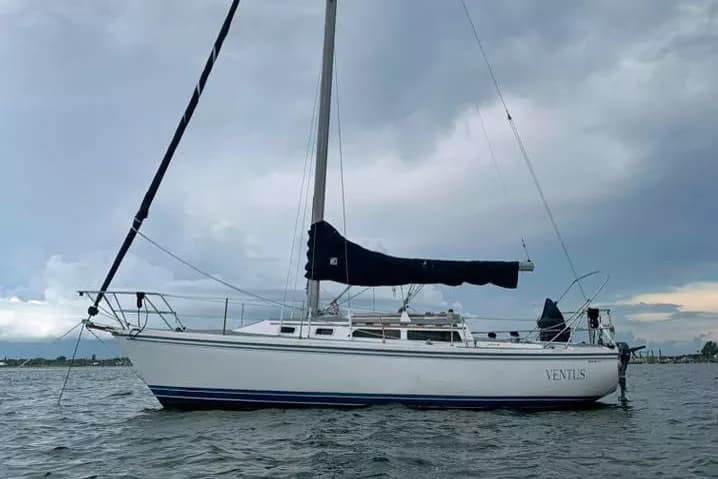
With over 6,500 units built from 1974 to 2008, the Catalina 30 has generated a resilient parts supply chain and active brokerage network that simplifies maintenance, resale logistics, and inclusion in charter fleets across marinas and regional service hubs.
Design & Construction: Volume-for-Value
The Catalina 30, designed by Frank Butler and produced by Catalina Yachts in California, prioritised interior volume and owner affordability over outright racing performance. Its hull is constructed from solid hand-laid fibreglass (GRP) while the deck uses a balsa core—choices that trade lightweight speed for durability and repairability, important factors when managing fleet uptime for rentals or charters.
The defining design move was an unusually wide beam of 10'10" (3.30 m), carried aft to create a saloon that rivals many 35-foot boats for liveable space. Practically, this supports a full galley, a dedicated nav station, and sleeping for several crew—attributes that make the model attractive to family cruising, seasonal liveaboard use, and smaller charter operations.
📚 You may also like
Model Evolution
- Mark I (1974–1986): Traditional cockpit and wooden interior trim.
- Mark II (1986–1993): T-shaped cockpit and revised deck profile.
- Mark III (1993–2008): Walk-through transom and modernised finishes.
Sail Areas & Rig Dimensions
The Catalina 30 is set up as a masthead sloop, normally offered in a standard rig and an optional tall rig for lighter-air regions. Typical published sail dimensions (tall rig unless noted):
- Main Sail Area: 191.00 ft² (17.74 m²)
- Foresail Area (100%): 254.58 ft² (23.65 m²)
- Total Sail Area (100%): 445.58 ft² (41.40 m²)
- I: 43'0" (13.11 m) — (Standard rig I = 41'0" / 12.50 m)
- J: 13'2" (4.01 m)
- P: 37'0" (11.28 m)
- E: 12'0" (3.66 m)
Published Specification: The Catalina 30 Blueprint
Specification Parameter | Measurement & Detail |
Length Overall (LOA) | 29'11" (9.12 m) |
Length at Waterline (LWL) | 25'0" (7.62 m) |
Beam | 10'10" (3.30 m) |
Draught (Fin Keel) | 5'3" (1.60 m) |
Draught (Wing/Shoal) | 3'10" (1.17 m) |
Displacement | 10,200 lbs (4,627 kg) |
Ballast (Lead) | 4,200 lbs (1,905 kg) |
Rig Type | Masthead Sloop |
Hull Material | GRP (Solid Fibreglass) |
Production Dates | 1974 – 2008 |
Performance Analysis: Key Ratios
Performance is best understood through design ratios rather than headline speeds. These ratios explain why the Catalina 30 behaves as it does under sail and power, and why charter managers and private owners choose it for comfort and predictability.
Design Ratio | Value | Interpretation |
Sail Area / Displacement (SA/D) | 15.2 | Conservative cruiser; needs breeze to accelerate. |
Displacement / Length (D/L) | 291 | Medium‑heavy displacement; stable and momentum-rich. |
Ballast / Displacement (B/D) | 41.2% | High stiffness; resists heeling. |
Capsize Screening Formula (CSF) | 1.86 | Below 2.0 — acceptable for offshore coastal work. |
Motion Comfort Ratio | 21.6 | Moderate comfort for coastal cruising. |
Practical Interpretation
The Catalina 30’s SA/D and D/L place it firmly as a coastal cruiser rather than a light-wind flyer. A tall rig and a large overlapping genoa improve light-air performance, but the boat’s strength is predictability: it is forgiving when gusts arrive and sails without demanding constant reefing. That makes it well suited to family charters, skippered rentals, and weekend owners who prioritise comfort over race results.
Don't Leave Port Without It!
Deep cockpits, accessible systems, and a layout engineered for liveability make the Catalina 30 easy to manage for short-handed crews and appealing for charters where comfort and straightforward operation are priorities.
Structure, Systems & Practicalities
The solid fibreglass hull adds impact resistance—useful in crowded anchorages and for rental fleets—yet owners should inspect the keel-to-hull joint for the known “Catalina smile,” which can indicate keel-bolt or sump issues. Typical engines are Universal diesels ranging from 11 to 25 hp; later, larger units are preferred for motoring against tide or for quick transfers between marinas.
Tankage (≈21 US gal fuel, 43 US gal water) supports coastal hops and island-hopping charters. Interior arrangements that push furniture to hull sides maximize circulation and sleeping arrangements, making the boat functionally larger than its LOA suggests.
GetBoat always keeps an eye on news related to sailing and seaside vacations, understanding what it means to enjoy great leisure and love the ocean. The service values freedom, energy, and the ability to choose your own course, placing no limits on a good life and helping clients find vessels that match preferences, budget, and taste.
The Catalina 30 remains highly relevant to regional charter operators and private owners seeking an affordable, comfortable cruiser. It does not shift the global tourism map in any dramatic way, but it supports steady demand in coastal charter markets and second-hand brokerage activity, especially in destinations where sheltered bays, marinas, and island-hopping itineraries dominate.
The Catalina 30’s most interesting points are its exceptional interior volume for a 30-footer, a robust spare-parts ecosystem thanks to high production numbers, and stable handling that suits inexperienced crews and family charters. Experiencing a new location is always multifaceted — you learn about local culture, nature, the indescribable palette of regional colors, its rhythm of life and the unique aspects of local service. If you are planning your next trip to the sea, you should definitely consider renting a boat (boat rentals, rent a boat, rent a yacht), as each inlet, bay, and lagoon is unique and tells you about the region just as much as the local cuisine, architecture, and language GetBoat.com
Short forecast: the Catalina 30’s continued presence in the used market modestly supports coastal tourism and charter options but is not a driver of major global change. However, for those planning an upcoming seaside voyage, now is the time to start planning and reserve the best boat or yacht ahead of peak seasons—book early to secure the ideal vessel and dates.
Summary: The Catalina 30 is a pragmatic compromise: not a speedster, but exceptionally liveable and well-supported by parts and community. Its wide beam, solid GRP hull, and conservative sail plan make it an ideal choice for coastal cruising, family charters, and owners prioritising comfort and reliability. For sailors seeking yachts, charters, and boat rentals in clearwater coves or busy marinas, platforms that list detailed make, model and ratings offer transparency and convenience—helping match captain and crew to the right craft and unforgettable yachting experiences. Whether you’re shopping for a sale, planning a charter, or booking a weekend trip, consider the Catalina 30’s balance of space, stability and practicality as you weigh destinations, activities and the next leg of your boating life.


