Navigating Caribbean Trade Winds This Winter
Alexandra
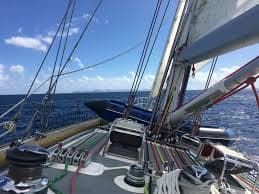
From December through April, Caribbean marinas and charter operators routinely schedule increased turnarounds and provisioning windows to match the steady east–northeast trade winds that average 15–25 knots across common cruising lanes; fleet managers expect routine reefing, 6–10 hour daytime passages between popular anchorages, and a higher demand for berths in protected marinas during cold-front passages.
Seasonal timing and operational realities
Winter season in the Caribbean is defined by the calendar months of December to April. During this window charter brokers, captains, and provisioning services plan for:
- consistent wind-driven schedules rather than light-air delays;
- peak demand for fuel, ice, and fresh water replenishment;
- higher utilization of marinas and moorings near popular bays and towns;
- routine passage planning for overnight legs under steady breeze.
| Month | Avg Temp (°C) | Typical Wind | Rainfall Trend |
|---|---|---|---|
| December | 24–28 | ENE, 15–22 kt | Lower than summer |
| January | 23–27 | E–ENE, 15–25 kt | Stable, occasional squalls |
| February | 24–28 | NE, 15–25 kt | Dry spells common |
| March–April | 25–29 | ENE, 15–25 kt | Gradual increase toward spring |
Heat, humidity and why the breeze matters
Daytime temperatures in winter remain firmly tropical, typically mid to high 20s °C. The trade winds are not a cooling cure but a practical comfort: steady airflow across decks and through hatches makes life on board manageable, reduces perceived humidity, and enables comfortable night watches. Sailors should treat sun protection and hydration as operational requirements—sunscreen, breathable clothing, wide-brim hats, polarized sunglasses, and a clear water plan for the crew are non-negotiable.
📚 You may also like
Packing and provisioning checklist
- Sun protection: SPF 30+ sunscreen, UV-protective clothing
- Hydration: filtered water supply and electrolyte options
- Wind management: reefing lines, storm sails in good repair
- Navigation: up-to-date charts, AIS, and backup paper plots
- Safety: lifejackets, harnesses, and a solid watch plan
Trade winds: direction, strength, and practical impact
The defining sailing vector during winter is the consistent easterly to northeasterly flow created by large-scale atmospheric circulation. Expect purposeful sailing days where reefing is common practice and sail trim is rewarded. Calm drift days are rare; instead, crews encounter steady drives, occasional gusts from squalls, and the need for routine sail adjustments. For charterers, that means trips focus on active sailing rather than motoring or lazing under a single anchor.
How the winds form and why sailors rely on them
Warm equatorial air rises, moves poleward aloft, cools and sinks; Earth’s rotation deflects this flow into the familiar easterly bands. These dynamics produce the historic trade winds that once powered Atlantic crossings and now underpin predictable island-to-island passages. The Caribbean’s position north of the Intertropical Convergence Zone (ITCZ) keeps it largely clear of the equatorial doldrums, preserving steady airflow for winter cruising.
ITCZ, doldrums and regional variability
The ITCZ remains a seasonal concern near the equator where trades converge and wind can become light or variable. The Caribbean’s northern position relative to the ITCZ explains its comparative reliability. Still, local topography—gulf funnels, island wakes, and reef channels—can produce rapid changes in wind angle and strength that captains must anticipate when plotting coastal approaches or selecting anchorages.
Hurricane season context and risk management
Official hurricane season runs June to November, with peak activity typically August–October. By December the risk has substantially declined, contributing to calmer, more predictable conditions through April. Modern forecasting and communication channels allow charters and captains to manage risks far more effectively than traditional rhyme-based heuristics, but prudent operators remain vigilant, maintaining evacuation routes and safe-harbour contingency plans.
What winter conditions mean for holiday plans
Winter trade winds enable a variety of itineraries: short day hops between sheltered bays, multi-day island circuits, or longer overnight legs with a reefed sail plan and a disciplined watch system. For hands-on sailors or couples seeking active sailing, the season rewards skillful trim and teamwork. For those seeking a relaxed charter, choosing a competent skipper or crewed option turns steady trades into comfortable progress with opportunities to explore beaches, coves, and local marinas.
The GetBoat service always keeps an eye on news related to sailing and seaside vacations, as we truly understand what it means to enjoy great leisure and love the ocean. The service values freedom, energy, and the ability to choose your own course, placing no limits on a good life and helping clients find a vessel that suits preferences, budget, and taste.
Practical on-board routines
- Daily weather briefing each morning and before night watches
- Reef early—reef often: protect sails and comfort
- Night passages with a structured watch rotation and AIS monitoring
- Use local provisioning hubs for fresh produce and ice to minimize time ashore
Neutral reports from recent training weeks emphasize the benefits of experienced instructors and well-equipped boats for learning skills such as celestial navigation and offshore passage-making. Group sizes, instructor ratio, and onboard equipment strongly affect the learning curve and enjoyment of a practical sailing course.
Provide a short forecast on how this news could impact the global tourism and travel map. If it's insignificant globally, please mention that. However, it's still important to us since GetBoat aims to stay updated with all developments and keep pace with the changing world. Start planning your next seaside adventure and make sure to book the best boat and yacht rentals with GetBoat before the opportunity sails away!
Key highlights: the Caribbean winter season offers steady trade winds, warm temperatures, lower rainfall, and a mix of day hops and overnight passages that reward active sailing. Experiencing a new location is always multifaceted—one learns about local culture, nature, the indescribable palette of local colors, its rhythm of life and also the unique aspects of the service; if you are planning your next trip to the sea, you should definitely consider renting a boat (boat rentals, rent a boat, rent a yacht), as each inlet, bay, and lagoon is unique and tells you about the region just as much as the local cuisine, architecture, and language GetBoat.com
Summary: Winter in the Caribbean between December and April brings steady trade winds, warm sun, and flexible itineraries that favor active sailing and exploration of marinas, bays, and beaches. Whether choosing a bareboat charter, a skippered yacht, or a crewed superyacht experience, careful planning of provisioning, reefing strategy, and route selection will maximize safety and enjoyment. The right platform can simplify finding the ideal yacht or boat for your needs—charter, rent, or sale options allow a wide range of budgets and tastes. From marinas to clearwater anchorages, from fishing bays to ocean passages, GetBoat.com supports unforgettable boating experiences with transparency and convenience; choose your course and sail on.


