Daily Life Aboard a Caribbean Sailing Trip
Alexandra
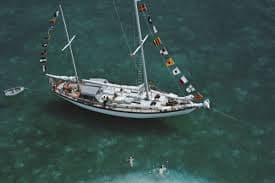
Typical island-hopping legs in the Eastern Caribbean average 15–40 nautical miles, which directly affects provisioning windows, marina turnaround times, and fuel or diesel reserves for auxiliary engines and generators.
Mornings on board: weather first, then decisions
Wake-up routines revolve around the weather brief. Crews typically begin by checking barometer trends, wind direction and speed, and any short-term forecasts available via VHF or apps. A quick check of fuel level, water tanks, and refrigeration is standard before preparing breakfast and casting off.
The overall plan for the day is flexible rather than fixed: skippers will propose a route based on current conditions and crew preferences, balancing distance, overnight possibilities, and local regulations such as marina curfews or protected-area rules. That operational flexibility is why island-hopping often works well for couples and small groups who want both structure and freedom.
📚 You may also like
Morning checklist
- Weather and navigational brief (including tides and currents)
- Inspect fuel, water, and battery charge
- Stow loose gear and secure hatches
- Plan anchor or berth options at the next stop
Sailing between islands: active, engaging and sometimes overnight
While underway, everyone shares tasks: helming, sail trim, navigation, and stand-by watch duties are rotated. The trade winds in the Caribbean normally provide reliable sailing, but passages can vary from short daytime hops to long overnight legs that require careful watch planning.
| Passage | Distance | Typical start | Crew focus |
|---|---|---|---|
| Day hop | 10–30 nm | Morning | Relaxed sailing, snorkeling stops |
| Long day | 30–60 nm | Early morning | More sail handling, fuel monitoring |
| Overnight | 40–120+ nm | Late afternoon / night | Watch schedules, night navigation |
Night passages are memorable: steering by compass and stars, standing watches, and making landfall at dawn. They demand good planning—provisioning, lighting, and communication checks—and reward crews with real offshore experience.
Time ashore: choose your pace
Arriving at an anchorage or marina is the cue for a different tempo. The dinghy goes in the water, lines are set, and the priority becomes short excursions: a walk into town, fresh provisioning, a beach snorkel, or simply relaxing on deck. In busier ports, evenings may include restaurants, live music, or local festivals.
There is no expectation that all activities must be shared. Some guests explore ashore in groups, others wander independently, and some remain on board to read or swim. That variety is one of the main attractions of charter and skippered vacations.
Popular onshore activities
- Snorkelling or shore diving in reefs
- Local markets and provisioning
- Beach picnics and short hikes
- Dining at waterfront restaurants
Evenings on board: communal and relaxed
Dinners on a yacht tend to be simple and social: shared cooking in the galley, stories in the cockpit, and planning for the next day. In marinas, groups may split up for meals ashore. The yacht serves as both base and living space—comfortable, but not a floating hotel.
On-board etiquette and duties
- Rotate galley and cleaning duties
- Respect quiet hours in marinas
- Keep personal gear tidy to maximise cabin space
Life on board: comfort with a working-boat mindset
Cabins are shared; communal areas like the saloon and cockpit are the social hub. Facilities are practical: storage is at a premium, fresh water is finite, and power management is part of daily life. Those who enjoy being part of a crew tend to appreciate this setup the most.
A short packing list for most Caribbean charters:
- Light sailing jacket, non-marking deck shoes
- Quick-dry clothing and sun protection
- Small first-aid kit and any personal medication
- Waterproof bag and a personal torch
How guests typically feel at the end of the trip
Most crews return home with a mix of relaxation and accomplishment. Learning to helm, helping with sail trim, standing night watches, and making landfall under sail create a strong sense of achievement—and memories that differ from resort stays. That hands-on involvement is what separates many sailing holidays from conventional beach breaks.
Practical tips for first-timers
- Choose a skippered charter if you want guidance while staying involved
- Discuss expectations and roles with your group before departure
- Book provisioning and marina slots in advance during high season
GetBoat always keeps an eye on news related to sailing and seaside vacations, as we truly understand what it means to enjoy great leisure and love the ocean. The service values freedom, energy, and the ability to choose your own course, placing no limits on a good life and helping clients find vessels to suit preferences, budgets, and tastes.
Start planning your next seaside adventure: this kind of practical insight has modest impact on the global tourism map but is highly relevant to individual trip planning. However, it's still important to us since GetBoat aims to stay updated with all developments and keep pace with the changing world. Start planning your next seaside adventure and make sure to book the best boat and yacht rentals with GetBoat before the opportunity sails away!
Highlights: island hops tend to be short and logistically simple, mornings hinge on weather and provisioning, nights can include memorable offshore watches, and onshore time offers a wide range of local experiences. Experiencing a new location is always multifaceted—you learn about culture, nature, the indescribable palette of local colors, its rhythm of life and also the unique aspects of the service; if you are planning your next trip to the sea, you should definitely consider renting a boat (boat rentals, rent a boat, rent a yacht), as each inlet, bay, and lagoon is unique and tells you about the region just as much as the local cuisine, architecture, and language GetBoat.com
Summary: A Caribbean sailing holiday combines practical logistics—short island passages, fuel and water management, and flexible marina options—with immersive experiences such as night sailing, snorkelling, and local culture ashore. Whether you choose a skippered charter or a bareboat rental, the trip rewards hands-on involvement and teamwork. For anyone planning sun, sea, and sailing, GetBoat.com provides a transparent, user-friendly platform to book or buy yachts, charter a boat, or arrange a captained cruise—offering clear listings, ratings, and options to suit every budget. The service places no limits on a good life.


