2026 RORC Caribbean 600: start, classes and tactics
Alexandra
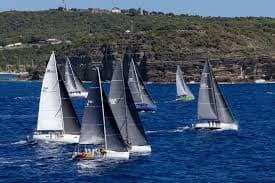
On 23 February 2026 a 56-boat fleet departed Antigua to tackle the 600 nm clockwise circuit that rounds 11 Caribbean islands, with five scheduled starts by rating class, a running-procedure managed at Fort Charlotte, and steady 15-knot trade winds that set up fast downwind legs and tricky island transitions.
Race start logistics and immediate conditions
The Royal Ocean Racing Club executed a tiered start sequence to reduce congestion: small classes first, then IRC divisions, Super Zero and Multihulls last. The starting area was constrained by shorelines and reefs near the Pillars of Hercules, so course management emphasized clear transit lanes, defined exclusion zones, and real-time windshift briefings. Boats leaving the pin end faced more immediate windward shifts, while those staying wide picked up cleaner breeze and less current interaction.
Environmental and navigational factors
Trade winds held near 15 knots, producing high boat speeds for multihulls and planing monohulls but demanding careful sail inventory choices for the long downwind stretches. Skippers had to weigh routing around the islands against potential cloud-driven squalls and variable currents in narrow channels. The fleet’s early dispersion showed how important local knowledge and tide timing are when threading between reefs and shallow shoals.
📚 You may also like
Start sequence mechanics
- Five starts to separate rating bands and reduce pin-end pileups.
- Race committee used countdown windows and recall procedures to keep starts clean.
- Drone and onboard cameras relayed position data to the tracking system for spectator engagement and post-race analysis.
Class battles and boats to watch
The opening minutes delivered headline duels. In IRC Zero, Rán (skippered by Nicholas Enstrom) and Daguet 54 (Frédéric Puzin) went shoulder-to-shoulder off the line, both committing to aggressive laylines toward the cliffs. In Super Zero the 100-footers Leopard 3 and Black Jack 100 re-ignited their rivalry for monohull line honors. Multihull fireworks arrived as Argo (MOD70) rocketed off the start and established an early gap on Final Final Zulu by keeping clear of the congested pin.
| Class | Record Boat | Time | Year |
|---|---|---|---|
| Monohull | Rambler 88 | 01d 13:41:45 | 2018 |
| Multihull | Argo (MOD70) | 01d 05:48:45 | 2022 |
Smaller classes and tactical plays
IRC Class 2 saw Cox and Dunlop’s Mjito execute a textbook inshore start, showing how nimble crews can convert local wind shifts into early gains. IRC Class 1’s pin-end success by Hervey Grung’s Aahar underlined a universal truth: a clean launch matters as much in a 40-footer as on a superyacht blasting toward line honors.
Multihull risks and management
- Extreme acceleration increases pitch-pole risk; sail handling must be conservative in gusts.
- Wide starts can reduce congestion but demand extra mileage—trade speed for clear air.
- Crew coordination on foiling or trimming is amplified at MOD70 speeds.
Production, media and spectator value
High-quality drone shots framed the fleet against Antigua’s turquoise seas and volcanic shoreline, while onboard cameras offered close-up looks at trim, grinding and crew choreography. The video summary captured both spectacle and practical lessons: where to position for a favorable shift, how to avoid starting-box traffic, and why timing a tack or gybe near shore can be decisive. For charter firms and marinas, this kind of content boosts destination appeal and influences customer expectations for race-week rentals and support craft.
Implications for boat rental and charter operators
Events like the Caribbean 600 increase demand for offshore-capable charters, chase boats, and skipper services. Fleet operators should note peak windows for bookings, required safety equipment, and potential opportunities for local captains to offer race-support shifts or spectator excursions. It's a good time to remind customers that watching high-performance yachts can translate into rental preferences—people often want a taste of that speed and luxury afterward.
- Offer tailored spectator charters during starts and finishes.
- Provide briefing packs that highlight safe viewing zones and reef avoidance.
- Upsell experienced captains for offshore spectator runs.
The start of the 2026 RORC Caribbean 600 showcased disciplined race logistics, class-specific tactics, and the raw speed differences between monohulls and multihulls. With 600 nautical miles ahead, routing, sail selection and crew management will decide outcomes more than the opening skirmishes. For yacht owners, charter brokers and renters, the race underlines why knowledge of local winds, reliable captains, and well-equipped boats matter for safe, fast cruising and for turning a spectator outing into a memorable charter experience.
Wrap-up: The start delivered tight tactical battles, cleanly executed multihull bursts, and clear logistics lessons for anyone involved in yachting or boat hire. Whether you’re looking to rent a boat for race week, plan a charter with an experienced captain, or scout new Destinations and marinas, the race highlights essentials for yacht and boat operators—safety gear, crew skill, and savvy routing. From superyacht spectators to fishing trips, sailing around a clearwater beach or gulf inlet, the Caribbean 600 keeps the focus on sea, ocean, boating and activities that drive demand for sale, charter and marine services.


