How to Obtain a California Boater Card

Founder, TheThinksters.com
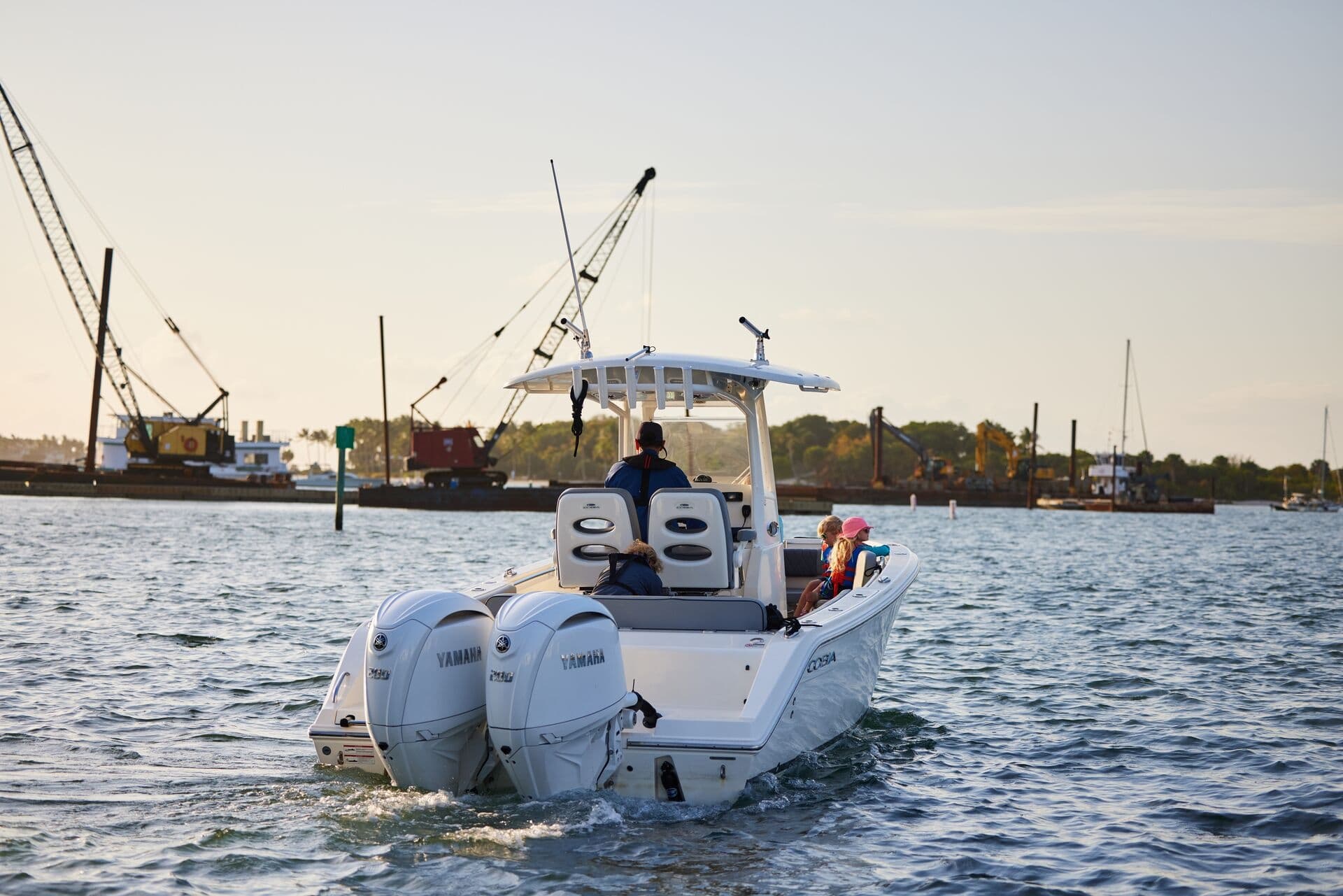
As of January 1, 2025, every person operating a motorized vessel on California waters must possess a California Boater Card, no exceptions for age, vessel type, or experience level.
What the California Boater Card Actually Is
The California Boater Card is proof of completed boater education: a lifetime card issued after completing an approved safety course and passing the exam. It applies to operators of powered watercraft—motorboats, personal watercraft (PWC/jet skis), and other motorized vessels—on state waterways. The card functions as a mandatory compliance document; carry it when you captain any motorized craft.
Four Practical Steps to Get Your Boater Card
Getting the card is straightforward. Think of it as checking in at the marina: not glamorous, but necessary before you shove off.
📚 You may also like
Step 1 — Obtain a California Boater ID Number
Start by requesting a Boater ID number from the California Division of Boating and Waterways (DBW). This unique identifier links your course completion and exam results to your permanent card.
Step 2 — Complete an Approved Boating Safety Course
Course options and approval
Choose a DBW- and NASBLA-approved course. Options include classroom instruction or online programs such as Boat-Ed and ilearntoboat. Online courses are popular for renters and charter customers who need fast compliance before a trip.
Core topics covered
- Federal and state boating laws
- Navigation rules and "rules of the road"
- Preventing collisions and accident avoidance
- Required safety equipment and proper usage
- Buoys, markers, and waterway signage
- Environmental protection and invasive species prevention
- Emergency response, rescue basics, and seamanship
Step 3 — Pass the Exam and Submit Fees
Most approved courses include a multiple-choice exam (often open-book online). After passing, pay the state processing fee to receive the physical California Boater Card. A temporary certificate is usually issued immediately; the permanent card arrives by mail.
Step 4 — Carry the Card and Stay Current
Although the card is lifetime, always keep your temporary certificate or physical card aboard when operating a vessel. For those renting or chartering, rental firms and marinas commonly request proof of compliance at check-in—so bring it along.
Quick Costs, Timing, and Logistics
| Step | Estimated Time | Typical Cost |
|---|---|---|
| Course & exam (online) | 2–6 hours | $30–$50 |
| State processing & card | 2–3 weeks (card) | ~$10 state fee |
| Total (typical) | Same day to a few weeks | $40–$60 |
How This Affects Sailors, Renters, and Charter Customers
If you plan to rent a motorized boat, pilot a chartered vessel yourself, or drive a PWC, you need the California Boater Card. Booking a charter with a licensed captain usually means the captain operates the vessel; in that case the hired captain must be compliant, not necessarily the paying passenger. Still, many charter companies and marinas prefer to see the client's card if they intend to take the helm for any part of the trip. So, don’t rock the boat—check requirements before you book.
Marinas, companies, and rentals
- Marina check-in: expect staff to request boater ID or card verification.
- GetBoat.com listings: owners often list whether a boat requires the renter to hold a boater card.
- Charter with captain: verify who is legally responsible to operate the vessel.
Frequently Asked Questions
How long to finish the course and get the card?
Most people complete an online course and exam in a few hours; a temporary certificate is immediate, with the permanent card arriving in 2–3 weeks.
Is a California Boater Card the same as a driver's license?
No—it's an education card showing you passed a safety course. The state does not issue a separate marine “driver’s license.”
Is the test difficult?
The exam is generally rated easy to moderate and emphasizes safety and navigation basics. Many find it straightforward if they study the course material.
How much will it cost?
Expect roughly $30–$50 for the course plus about a $10 state processing fee; some providers bundle fees into one checkout price.
Final Wrap-Up
In short: get your California Boater Card before piloting any motorized craft on California waters, follow the four steps—ID number, approved course (Boat-Ed or ilearntoboat), pass the exam, and carry your card—and budget a few hours and roughly $40–$60 for the process. Doing this not only keeps you legal but also makes renting or chartering easier, whether you’re after a weekend on the lake, a yacht or superyacht charter, a fishing trip in the gulf, a Sunseeker-style day out, or simple boating around marinas and clearwater beaches. Bottom line: better safe than sorry—get certified, enjoy the sea or ocean, and make the most of destinations, sailing, captain-led charters, or DIY boat rentals.