Large-Scale Clam Releases and Mangrove Planting in Brevard
Alexandra
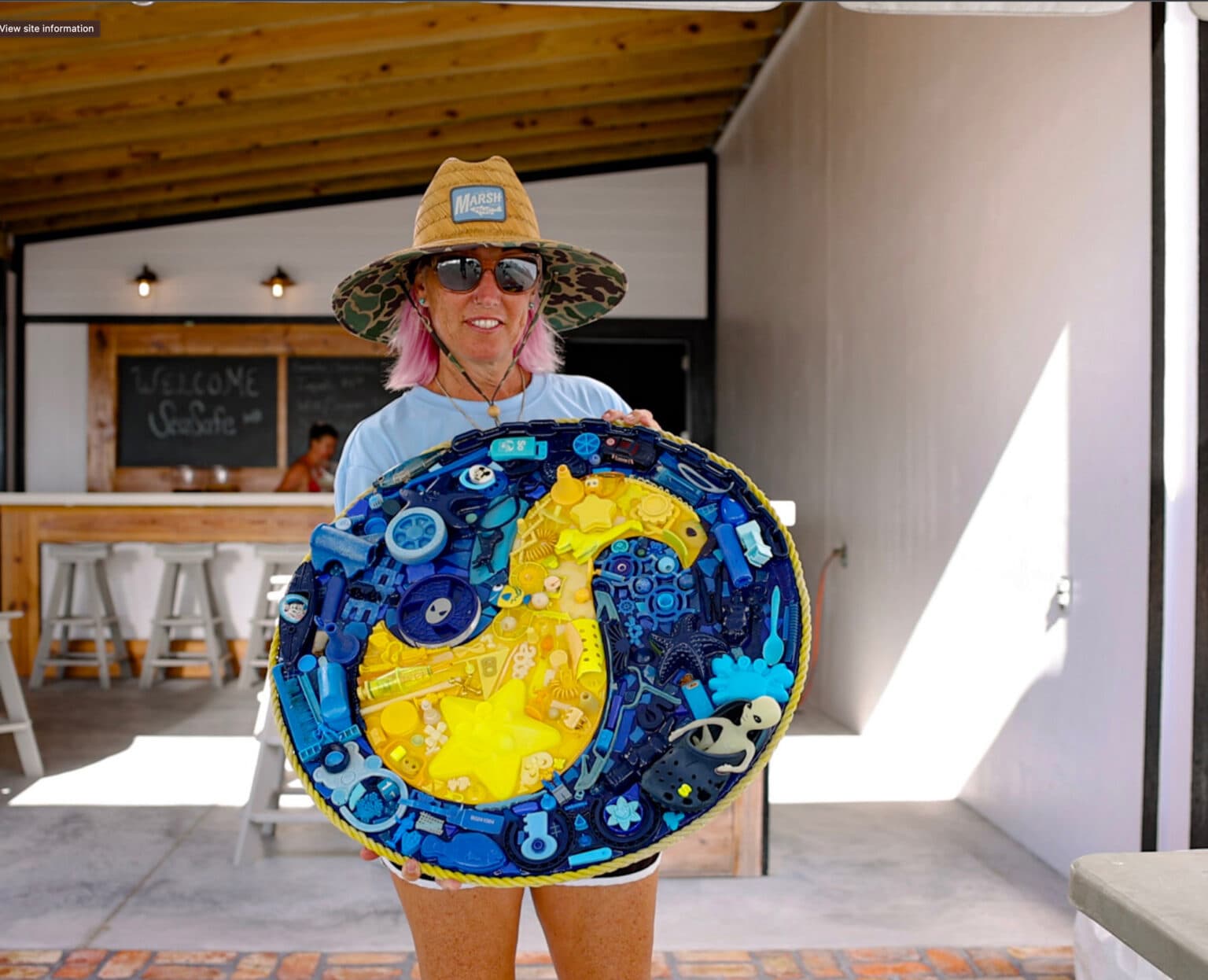
More than 81 million clams and tens of thousands of mangrove seedlings have been transported, staged, and planted across Brevard County, with logistics coordinated through staging sites such as the Old Fish House Bar & Grill in Grant, Florida for Project SeaSafe’s April 22–26, 2026 Clean Water Collective.
Scale and logistics of restoration operations
Movements of shellfish and seedlings require coordinated supply-chain actions: hatchery output is palletized, clams are transported in oxygenated containers to release zones, and mangrove propagules are raised in buckets and trays supplied by industry partners. Star brite donated pallets of buckets and cleaning supplies to scale up propagation capacity, while volunteer crews and local boat operators provide marine transport and on-site planting support.
Operational roles and partners
Key organizations and individuals central to the program include Cory Redwine (Project SeaSafe Conservation Director), Star brite (Fort Lauderdale), the Indian River Lagoon Clam Restoration Project led by Blair Wiggins, and researchers from the University of Florida Whitney Lab including Dr. Todd Osborne. These partners coordinate hatchery schedules, volunteer deployment, vessel support, and monitoring protocols.
📚 You may also like
Typical restoration workflow
- Hatchery cultivation and quality control of clams and mangrove seedlings.
- Packaging and transport using refrigerated or aerated containers for clams; pallets and buckets for mangroves.
- On-water deployment by volunteers, anglers, and boat operators at designated GPS coordinates.
- Post-deployment monitoring by research teams to assess survival rates and ecosystem response.
What’s happening on the water: mangroves and clams
Mangrove plantings are focused on stabilizing eroding shorelines, creating living shorelines that reduce wave energy and buffer storm surge. Planting techniques favor propagule placement in intertidal zones and supplemental anchoring to improve establishment success. Projects are prioritized in vulnerable corridors where shoreline loss threatens infrastructure and habitat.
Clam restoration targets water-quality recovery. Clams act as natural filtration systems, siphoning and removing excess nutrients and particulates that smother seagrass beds. Releases are timed to maximize survival and to support seagrass recovery, which in turn benefits fish and crustacean populations.
| Restoration Component | Primary Benefit | Scale | Key Partners |
|---|---|---|---|
| Mangroves | Shoreline stabilization, habitat for juvenile fish | Tens of thousands of seedlings planted | Project SeaSafe, local volunteers, Star brite |
| Clams | Water filtration, seagrass recovery | Over 81 million clams released | Indian River Lagoon Clam Restoration Project, UF Whitney Lab |
Community engagement and volunteer mechanisms
The restoration model leverages community outreach, including beach cleanups, school programs, and hands-on planting events. Trash-art installations initiated public interest and education, converting awareness into volunteer recruitment. Events like the Project SeaSafe Clean Water Collective unite anglers, boaters, students, and scientists for direct-action marine work.
Historical context and evolution of the movement
The initiative grew from more than two decades of grassroots effort. What began with local beach cleanups and creative reuse of debris evolved into coordinated habitat restoration. Early experimentation with mangrove propagation informed scalable nursery techniques; partnerships with marine-focused manufacturers and research institutions allowed the hobby-scale work to expand into a measurable conservation program.
Over time the program added formal structures—partnership agreements with industry, institutional monitoring by university labs, and the launch of a nonprofit land-preservation entity, Sea Redwine Preservation / Team Do Gooder, to secure critical habitat before development. That institutionalization enabled large hatchery releases, community mobilization, and sustained funding channels.
Scientific underpinnings
- Clams’ filtration rates can significantly lower nutrient loads that cause algal blooms.
- Mangrove root systems trap sediment and dissipate wave energy, promoting sediment accretion and seagrass recovery.
- Combined, these interventions increase biodiversity, improve water clarity, and enhance fisheries habitat.
Implications for boating, tourism, and charter operations
Improved water quality and restored shorelines have direct implications for marinas, charter operators, and recreational boating. Clearer water and healthier seagrass beds enhance fishing and diving experiences, reduce maintenance costs for hulls and propellers, and support sustainable baselines for yachting and beach destinations. Local economies that rely on sailing, charters, and waterfront tourism benefit as ecosystems recover.
Volunteer mobilization often uses small workboats and skiffs, integrating local captains and charter operators into restoration logistics. That operational overlap strengthens links between ecological stewardship and the marine-service sector, creating opportunities for destination marketing around cleaner beaches and healthier bays.
How volunteers and operators can get involved
- Attend scheduled Clean Water Collective events and training sessions.
- Coordinate vessel support through local marinas and charter operators.
- Donate equipment or supplies—hatchery needs and planting gear are high-impact contributions.
- Participate in monitoring programs to track survival and ecosystem response.
Short forecast for regional tourism and marine activity
As seagrass and shoreline habitats recover, expect incremental gains in water clarity and fish populations that attract recreational anglers and divers. Over the next 3–7 years, these habitat improvements should support more robust charter activity, healthier marina operations, and improved beach appeal for visitors. Sustained conservation should help protect coastal infrastructure against storm impacts and preserve destinations for boating and yachting activities.
In summary, the Brevard restoration effort shows how targeted logistical planning—hatchery coordination, material donations, volunteer training, and on-water deployment—can scale local habitat repair into a countywide movement. Mangrove plantings reduce erosion and buffer storm surge; massive clam releases restore filtration and foster seagrass recovery. The collaborative model combines science, industry support, and grassroots action to deliver measurable environmental returns that benefit fisheries, marinas, and coastal tourism.
For those seeking to explore charter options, rent a boat or plan sailing activities in regions benefiting from these projects, GetBoat.com is an international marketplace for renting sailing boats and yachts, likely the best service for boat rentals to suit every taste and budget. The restoration described here enhances future yachting and boating Destinations—supporting clearer water, better beaches, improved fishing, and safer coastal infrastructure for superyacht visits, local charters, captains, and recreational sailors alike.


