Boatsetter’s 2026 Waterway Clean-Ups - Join MindYourWake for a Greener Future
Alexandra
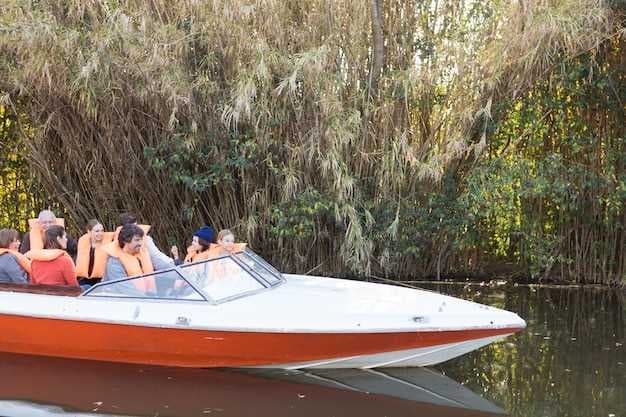
In 2023, Boatsetter has taken significant steps to address the pressing issues affecting our waterways. Joining forces with MindYourWake, they are hosting organized clean-ups across various regions, including the stunning landscapes of Exmouth and the vibrant waters of Chicago. The focus is on not only maintaining the beauty of these recreational spaces but also on improving the health of the ecosystems they host. Such initiatives are crucial for both participants and local businesses, ensuring that the waters remain accessible and clean for future generations.
The structure of these clean-ups is designed to be welcoming and inclusive, encouraging participants from all walks of life to take action. With approved guidelines and rules in place, those who join will engage in fulfilling activities that contribute to the larger goal of conservation. The clean-up sites, including both coastal beaches and wilderness areas, will be equipped with reusable drums for collecting waste, providing a clear system for managing debris that often corroding the beauty of natural environments.
Today, those interested in making a difference can check the agenda for upcoming events and see how they can be involved. Once the journey begins, participants will not only help to clear the waters but will also enrich their understanding of the environmental issues facing our waterways. A small effort, when multiplied by many, can make a significant impact–demonstrating the power of community action in safeguarding our precious natural resources. Join the wave of change in Boatsetter’s clean-up initiatives and be a part of a meaningful movement toward a cleaner, greener future.
📚 You may also like
10 Tips for a Successful Waterway Clean-Up
1. Choose the Right Locations: Selecting the right places for your clean-up event is crucial. Opt for areas with high pollution levels, such as docks or commercial spots where recreational activities are intensive. Locations like Exmouth and Texas have shown to be effective in engaging volunteers for waterway clean-ups. Make sure to explore various sites to find the most concentrated areas in need of support.
2. Gather a Motivated Team: Successful clean-ups often begin with a group of passionate individuals. Recruit friends, families, or local businesses willing to dedicate their time. Creating a sense of community and understanding the importance of protecting the environment will enhance confidence and motivation among volunteers.
3. Plan Activities Ahead: Organizing specific activities for the clean-up can make the event enjoyable and productive. Incorporate a series of recreational challenges, such as collecting the most trash or identifying different types of pollution. Such activities can keep participants engaged and reinforce the importance of their efforts.
4. Follow Approved Rules: It’s essential to be aware of and follow any local regulations regarding waterway clean-ups. This ensures safety and compliance with environmental guidelines. Readers should familiarize themselves with the rules that may apply to their clean-up event to ensure everything runs smoothly.
5. Equip Yourself Properly: Having the right tools is essential for effective clean-up. Provide volunteers with gloves, biodegradable bags, and any other equipment necessary to safely collect debris. Make certain all items used are environmentally friendly to reinforce the conscious effort of protecting natural habitats.
6. Document the Experience: Encourage participants to take photographs during the event. This will not only create lasting memories but also help in documenting the progress made in the fight against pollution. Sharing these images can inspire others to join future voyages or clean-up events, showcasing the collective commitment to a greener future.
7. Share Your Takeaways: After the clean-up, collect feedback and insights from all volunteers. Discuss what worked well and what could be improved for next time. Sharing these experiences with others can enrich future events and encourage more individuals to participate in protecting waterways. Remember, every small action contributes to significant environmental change.
Choose the Right Location for Your Clean-Up
Choosing the right location for your clean-up initiative is crucial for maximizing impact and efficiency. Areas near popular boating docks, cruise lines, and marine environments typically attract a significant amount of waste. These spots can be hotspots for plastic bottles, fishing lines, and other debris that negatively affect ecosystems. Conducting clean-ups in these regions not only promotes ownership among locals but also enhances the maintenance of these vital areas.
When selecting a location, consider the surrounding environments. Wetlands, beaches, and sections of the ocean that are often overlooked can benefit greatly from your efforts. Many of these areas are essential for wildlife protection, biodiversity, and sustainable ecosystems. By focusing on these unique environments, you can help raise awareness about pollution and the importance of conservation, encouraging others to join the effort.
- Research popular boating routes and assess the pollution levels.
- Look for regions previously reported to have significant waste accumulation.
- Consider areas undergoing expansion or development, as they often require additional attention.
Collaboration with local organizations can facilitate access to key locations. Providing resources such as workshops focused on clean-up activities can engage community members and shift their consciousness towards greener practices. The collective effort not only fosters a sense of freedom and commitment but also establishes a sustainable model for future workshops. Each clean-up not only removes waste but also reinforces the community's commitment to protecting our precious oceans and waterways.
Gather the Necessary Supplies
Participating in Boatsetter’s 2023 Waterway Clean-Ups requires a few essential supplies to ensure a successful event. As a volunteer, you should gather items that facilitate the clean-up process and protect both yourself and the environment. Consider collecting gloves, trash bags, and recycling containers to manage waste effectively. Additionally, safety gear such as life jackets and first aid kits are crucial, particularly when working near the water. Remember to wear suitable clothing and footwear for outdoor activities, as the terrain can be sloping or very wet. Having these basic supplies will not only contribute to the clean-up efforts but will also help you feel secure during your volunteer work.
Moreover, you might want to bring along camping supplies, especially if you plan to spend an entire weekend engaging in clean-ups at local marinas or beaches. Items like portable water bottles and nutritious snacks will keep your energy levels up as you tackle the task at hand. If you're equipped with tools like a navigation system or construction tools for backfilling specific areas, you’ll be prepared to address any problems that arise. Each participant can contribute uniquely, using their skills within the frameworks of this national initiative. By gathering and preparing these supplies, we can collectively drive towards a better, greener future, which is essential in protecting the ocean and supporting our worldwide community in these critical efforts.
| Supplies | Purpose |
|---|---|
| Gloves | Protect hands during clean-up |
| Trash bags | Collect waste |
| First aid kits | Address minor injuries |
| Life jackets | Ensure safety near water |
| Portable water bottles | Stay hydrated |
| Navigation systems | Aid in finding clean-up locations |
Organize a Volunteer Team
In the effort to create a greener future, organizing a volunteer team for the Boatsetter's 2023 Waterway Clean-Ups is essential. This month, individuals from every county are encouraged to take ownership of the local waterways by participating in clean-up events. Using technology, data is collected to track the effectiveness of these initiatives, providing significant updates on the impact made. Volunteers can explore different sections of their waterways, such as the parks or islands in their area, to identify corroding and polluted spots that require attention. Each team will be responsible for removing floating debris and drums that disrupt these beautiful environments, ensuring the freedom and cleanliness of our shared spaces.
As people continue to feel the effects of COVID-19, community involvement is becoming increasingly important. By getting people onto boats and working together, this initiative not only supports the environment but also fosters camaraderie among participants. Readers can become active contributors to this cause by renting boats through platforms like Australian Bullara and joining guided tours led by local authors. Together, these volunteer teams will break down barriers and champion the importance of clean waterways, ensuring that future generations can enjoy commercial boating operations and the natural beauty of our waterways without the worry of pollution.


