Boating Terminology 101 - Essential Terms Every Boater Should Know
Alexandra
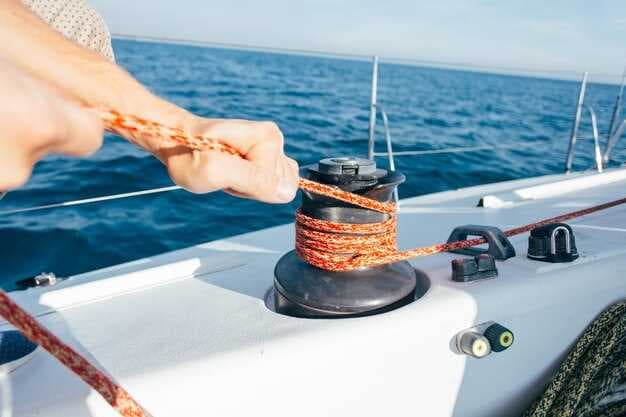
When you're out on the water, understanding the language of boating is essential for a smooth and enjoyable experience. This article aims to introduce you to the fundamental terms every boater should know, ensuring you can communicate effectively with your crew and navigate your environment with confidence. From the hull shape of your vessel to the various components that propel it, mastering this terminology will not only enhance your skills but also bolster your overall enjoyment on the ocean.
As you embark on your journey into the boating community, you'll encounter a wide range of terms designed to describe the equipment, techniques, and environments unique to this exciting lifestyle. Whether you're learning to tie a knot, adjust your sails while tacking, or understand the importance of a buoy's location, these essential terms will help you feel right at home on the water. With a little practice and the right knowledge, you'll be able to turn the buzz of arrival at the harbour into a well-orchestrated operation, where everyone on board knows their role and responsibilities.
In this guide, we will cover everything from fixed fittings and adjustable blocks to the best practices for handling a spinnaker and properly storing your gear. As you read on, keep an eye out for opportunities to apply what you've learned, as each term discussed will directly contribute to your skill set as a captain or crew member. Let's dive into the vocabulary that will help you effectively steer your course through the waves and make the most of the space alongside fellow boaters.
📚 You may also like
Understanding Basic Boating Terms
Every boater should have a solid grasp of essential terminology to enhance their ability to communicate effectively on the water. Key terms such as hull, draft, and bilge are fundamental in understanding a vessel's architecture. The hull is the boat's main body, designed to float and provide stability. The draft refers to the vertical distance between the waterline and the bottom of the hull, indicating how deep the boat sits in the water.
When it comes to maneuverability, knowing terms related to navigation is crucial. Centreboard plays an important role in balancing larger sailing vessels, allowing the boat to sail against the wind by providing lateral resistance. The spinnaker, a type of sail, is used to catch the wind and propel the boat forward more efficiently. Understanding how to adjust these sails will smooth out your journey and keep you afloat even when the wind shifts unexpectedly.
Another vital aspect of boating is the use of signaling devices. Lights mounted on a vessel help communicate a ship's position and intentions to others, especially at night. For instance, white lights indicate your boat's location, while colored lights signal whether you're anchored or in motion. Utilizing these lights properly increases safety and awareness on the water.
Finally, mastering basic boating terms also involves understanding equipment used on board. Items like bags for stowing gear or shirts that provide protection from the elements are important for staying comfortable. Additionally, knowing how to untie and drop anchors in a cove will ensure greater ease when it's time to secure your boat. Whether you opt for a rental or own your vessel, familiarizing yourself with these key terms will enhance your overall experience on the water.
Definition of Hull and Its Function
The hull of a boat is the watertight body that provides buoyancy and stability, allowing the vessel to float and navigate on water. It typically comprises several sections, including the keel, which is crucial for maintaining balance and reducing lateral movement during waves and storms. The design and shape of the hull significantly influence its performance, including speed and maneuverability, especially when navigating narrow waterways or docking at a marina. A well-designed hull can minimize drag and optimize the waterline, enhancing the overall communication between the vessel and the water, thus ensuring effective movement along its intended route.
Understanding the difference between various hull types, such as those found on sailboats versus powerboats, is essential for safe operation. While a sailboat's hull may allow for better tacking against the wind, a powerboat hull is designed for better speed and stability in different water conditions. The draft, or the vertical distance between the waterline and the bottom of the hull, becomes critical during low-water conditions, where securing the vessel and avoiding grounding is paramount. The centerline of the hull plays a pivotal role in maintaining straight-line movement and stability, allowing for smooth passage through waves. This intricate design and function of the hull, along with its various components, such as rail and prop, work together to create a safe and enjoyable boating experience for all who venture inside.
What is a Keel and Why It Matters
The keel refers to the structural component of a boat that is mounted along its bottom centerline. This essential part is crucial in providing stability and balance to the vessel as it operates on various waterways. Without a keel, a boat would struggle to maintain an upright position, particularly in high winds or rough waters.
The design of a keel often incorporates plates that help with buoyancy, allowing the vessel to float effectively. These components not only aid in keeping a boat stable but also help with steering, making them vital when tacking or navigating. A well-designed keel plays a significant role in an effective response to wind and waves.
Moreover, the keel's shape contributes to the average movement of the boat. Different designs can lead to unique performance characteristics, such as cutting through water smoothly or providing a greater turning radius when needed. For instance, a deeper keel will generally offer better control in turbulent conditions, while a shallower one allows higher navigability in shallow areas, especially where bass and other fish may be found.
In urgent scenarios, having a properly functioning keel makes a significant difference. It helps prevent capsizing, keeping the boat upright during movement. This is particularly important when the mast is under strain from the mainsail, as the boats may need to stay balanced while making quick changes in heading or responding to alerts from other vessels.
When planning for a boating trip, it's crucial to note that the keel must be checked for wear and structural integrity. Damage from marine organisms, such as worms, can weaken its effectiveness. Regular maintenance is also essential to ensure that the weights are evenly distributed across the keel, which directly influences the boat's trim and buoyancy.
Components of a Keel:
- Shape and Size: Determines the hydrodynamic efficiency.
- Weight Distribution: Affects stability and steering.
- Material: Wooden or metal plates impact durability.
In summary, the keel is not just an unnoticeable part of a boat; it is a critical element that enhances performance and safety. Understanding its function helps boaters appreciate how essential it is to the overall operation and enjoyment of their time on the water. Whether it’s for sleeping or navigating through a busy berth, the keel serves as a vital marker for success in boating adventures.


