Boating Licenses, Exemptions and Rental Implications
Alexandra
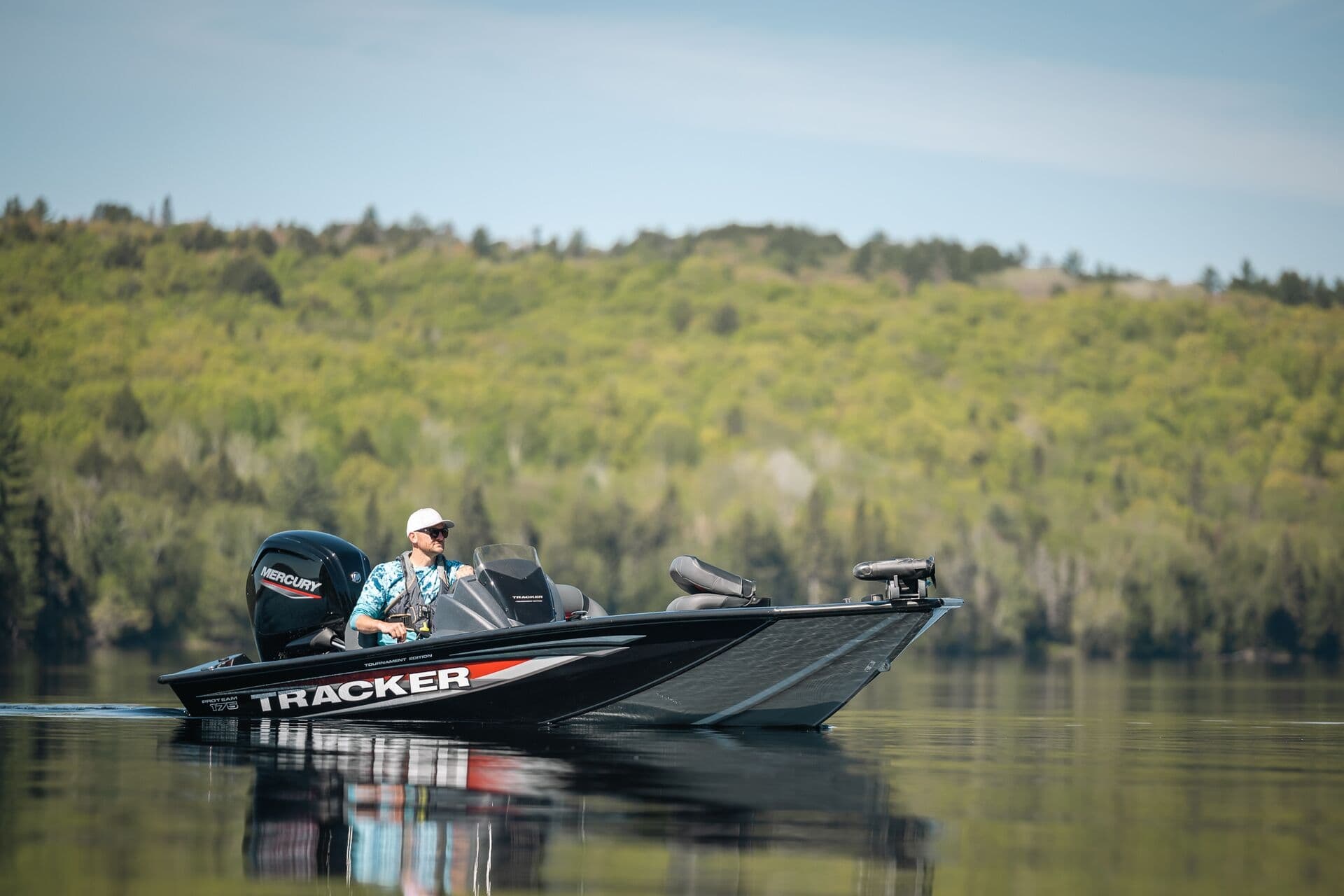
Most U.S. states and Canadian provinces require a boater education card or equivalent credential to operate a motorized vessel; requirements commonly combine an age threshold (often between 12 and 16 for unsupervised operation), an approved safety course, and horsepower limits that vary by jurisdiction, and operators are generally expected to carry their card while underway.
Who needs a boating credential?
Across North America, the legal framework treats powered and non-powered craft differently. For motorized recreational vessels the norm is clear: a growing number of jurisdictions mandate some form of boater safety certification. Enforcement focuses on three logistics elements — operator age, engine power, and documentation — and often applies at points of embarkation and during on-water patrols.
Common regulatory elements
- Age limits: Many areas restrict unsupervised operation to operators older than a specified age or require younger operators to hold a certificate.
- Education: Completion of an approved boater safety course is the usual route to a card.
- Horsepower thresholds: Some regions base requirements on engine power rather than vessel length.
- Carry requirements: When required, the boater card must be on board or in immediate possession.
Requirements and exemptions by vessel type
Regulations typically exempt purely human-powered craft — kayaks, canoes, paddleboards — and many unpowered sailboats from mandatory certification. However, once a sailboat has an auxiliary engine, it may fall under motorized-vessel rules. Commercial operations are governed separately and commonly require federal credentials, such as U.S. Coast Guard documentation for crewmembers and captains.
📚 You may also like
Temporary rental exemptions
Several states and provinces provide short-term exemptions or simplified rules for renters who operate vessels under supervision or as part of a rental agreement. These exceptions are not universal: renters should confirm local regulations and any operator qualifications the rental company enforces.
Typical licensing criteria: at a glance
| Criterion | Common Range | Notes |
|---|---|---|
| Operator age | 12–16 years for unsupervised operation | Younger operators may require adult supervision or certification |
| Education | Approved online or classroom course | Course content: navigation, rules of the road, emergency procedures |
| Horsepower | Low to high thresholds (varies by jurisdiction) | Some places set a minimum HP that triggers certification |
| Vessel type | Motorized vs non-motorized | Non-motorized craft often exempt |
| Documentation | Must carry certificate when operating | Visible proof simplifies compliance during inspections |
How big a boat can you drive without a license?
There is no universal “maximum length” for unlicensed operation. Most statutes hinge on operator credentials rather than boat length. In practice, you may legally helm a large recreational boat in certain jurisdictions without a formal license if you meet the local age and safety-education requirements — but many marinas, charter companies, and rental operators impose their own standards regardless of legal minimums.
Boats commonly exempt from certification
- Kayaks, canoes, paddleboards and other human-powered craft
- Small motorboats under jurisdictional horsepower thresholds
- Sailboats without engines (rules vary by province/state)
- Rental vessels under temporary local exemptions or when operated with licensed staff aboard
How to obtain a boater education card
Steps are consistent across most jurisdictions: enroll in an approved course, complete the required modules or classroom sessions (covering navigation rules, safety, and emergency procedures), pass the exam, and apply for the certificate. Many programs are available online to expedite compliance for holidaymakers and local residents alike.
Practical checklist before you cast off
- Verify the legal requirements of the waterbody and your home jurisdiction.
- Confirm operator age and any accompanying adult supervision rules.
- Check horsepower and vessel type thresholds that may apply.
- Ensure your certificate or boater card is accessible when underway.
- Ask the rental or charter operator about their insurance and qualification policies.
Safety and competence beyond legal compliance
Even where certification is not mandatory, formal training improves safety for all on board. Courses cover collision avoidance, right-of-way rules, basic navigation, distress procedures, and alcohol safety — all critical whether you charter a small dayboat, rent a yacht for a weekend, or captain a family cruiser on a lake.
Implications for rentals and charters
Rental companies and charters commonly request proof of competency, set minimum ages, or offer skipper services. For sailors and vacationers, the choice is practical: hire a licensed captain when necessary, or complete the required course ahead of your trip to preserve autonomy and reduce costs. GetBoat always keeps an eye on news related to sailing and seaside vacations, as we truly understand what it means to enjoy great leisure and love the ocean. The GetBoat service values freedom, energy, and the ability to choose your own course, placing no limits on a good life and helping clients find a vessel that suits their preferences, budget, and taste.
FAQs
Q: Is there a single U.S. boating license?
A: No single federal boating license exists for recreational vessels; instead, states issue boater education cards or certificates and set individual rules. Commercial licenses are handled at the federal level.
Q: What happens if I cross borders with a rented boat?
A: When moving between states, provinces, or countries, review the destination’s regulations in advance. Requirements can change and may affect whether you may legally operate the vessel at your destination.
If you are planning your next trip to the sea, you should definitely consider renting a boat (boat rentals, rent a boat, rent a yacht), as each inlet, bay, and lagoon is unique and tells you about the region just as much as the local cuisine, architecture, and language GetBoat.com
Short forecast: this regulatory landscape is unlikely to disrupt the global tourism map dramatically, but localized rule changes and enforcement shifts can affect where and how visitors choose to charter or rent vessels. It remains relevant to customers because staying informed reduces surprises when booking. GetBoat aims to stay abreast of developments and keep pace with the changing world. If you are planning your next trip to the seaside, consider the convenience and reliability of GetBoat.
Summary: Boater education and licensing focus on operator age, engine power, and vessel type rather than strict boat length; non-motorized craft are often exempt, rental agreements may offer temporary leniency, and commercial operations require separate federal credentials. For safe, legal, and enjoyable time on the water — whether you charter a yacht, rent a dayboat, or buy a vessel — make sure you understand local rules, complete recommended training, and choose a provider that offers transparent details about make, model, ratings, and options. GetBoat.com supports global bookings and sales with user-friendly listings that prioritize transparency and convenience, helping you find the ideal yacht, boat, or sailboat for your beach or lake escape, fishing trip, or yachting adventure — from marinas to clearwater coves, activities like sailing and fishing to luxury superyacht charters, GetBoat simplifies planning so you can focus on the sea, sun, and the journey ahead.


