Annapolis 2026 Trials: Weather, Tariffs, and New Tech
Alexandra
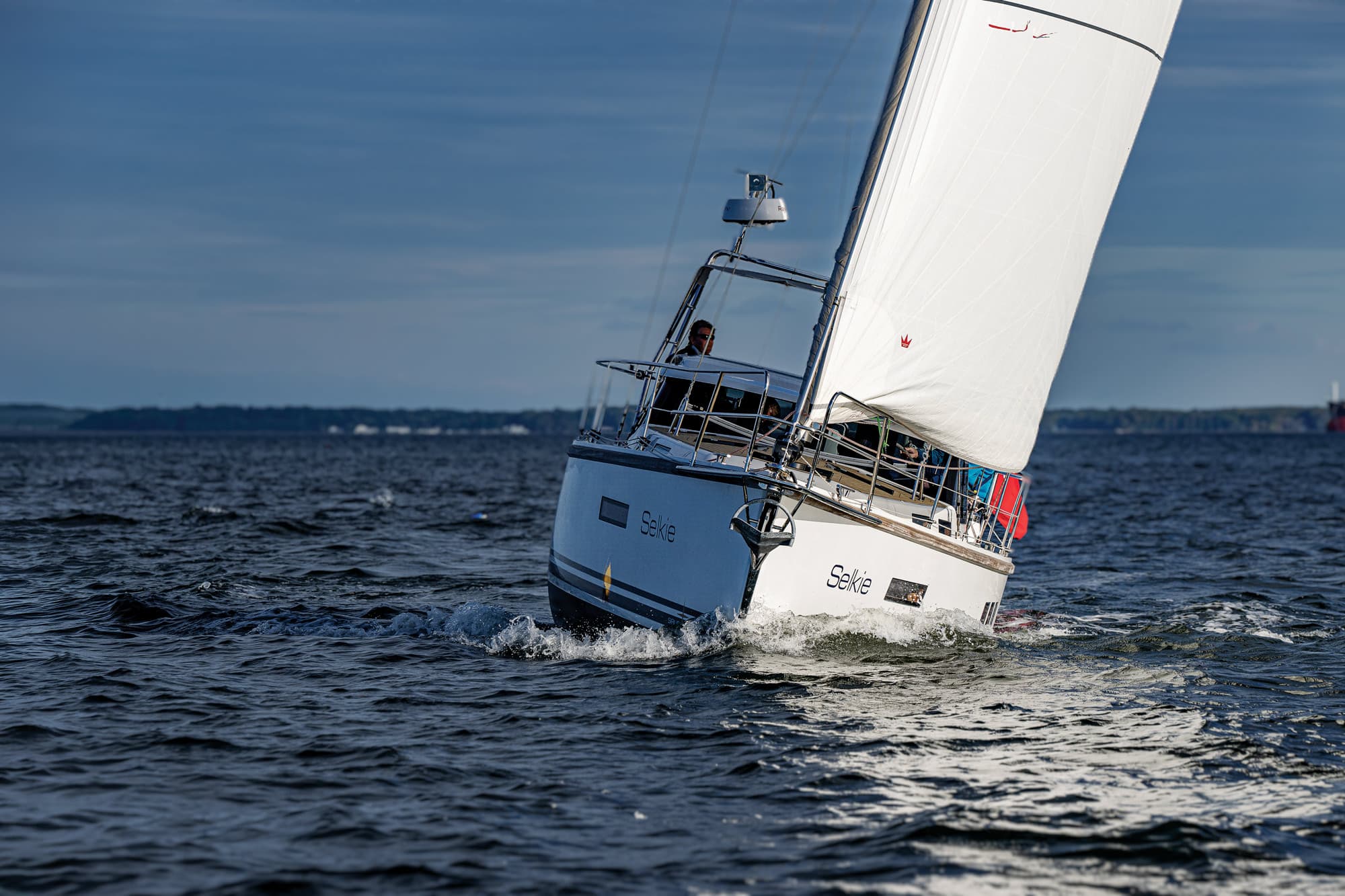
Tariffs imposed on imported yachts—ranging from about 15% for many European builders to roughly 30% for some South African catamarans—forced multiple manufacturers to reroute deliveries, employ temporary import bonds at U.S. ports, or list display boats as samples rather than immediate-sale inventory during the Annapolis show and subsequent sea trials.
What the Annapolis sea trials revealed about supply chains and production
The 2026 Boat of the Year sea trials on Chesapeake Bay underlined concrete shifts in global production and logistics. Nominees were built in China, Denmark, France, Germany, Slovenia, South Africa and Thailand, and conspicuously none were produced in the United States. Builders described a range of responses to import duty and bond rules: shipping to offshore ports, including duty-paid pricing, and using temporary import arrangements to keep show schedules intact.
These logistics adjustments affect inventory timing, warranty activation, and the availability of new models for charter fleets and brokered sales. For boat renters and charter operators, new delivery workflows can mean reduced immediate stock and longer lead times for fresh yachts to reach marinas and marinas’ rental pools.
📚 You may also like
Price landscape and production economics
The fleet showed a stark price spectrum: the Beneteau First 30 sat at about $200,000, while the Balance 580 topped near $3.6 million. The average new-boat asking price across nominees was roughly $1.3 million. With many pandemic-era brokerage boats now returning to market, builders increasingly see used inventory as primary competition.
| Feature | Lowest | Highest | Average |
|---|---|---|---|
| Asking price (USD) | $200,000 | $3,600,000 | $1,300,000 |
| Tariff impact | 15% | 30% | — |
| $/Disp (cost per pound) | $28–$30 (mass production) | $89–$98 (limited/high-tech) | ~$30 (post-pandemic) |
Cost-per-pound metric and what it tells buyers
The $/Disp (cost per pound) metric highlighted construction tradeoffs. High-performance limited-production yachts—Dragonfly 36, HH52, and Balance 580—registered near $90–$98 per pound, reflecting carbon rigs, post-cured epoxies and advanced laminates. High-volume models like the Jeanneau Sun Odyssey 415 and Beneteau First 30 were down around $28–$30 per pound, benefiting from scale economies. For fleet owners and charter operators, $/Disp helps gauge long-term value versus upfront cost when deciding between buying new or sourcing quality used yachts for rental rotation.
Hybrid systems: logistics of energy aboard
Nearly half of the nominees offered some form of electric or hybrid propulsion—examples included the Balance 580, Dufour 48 Smart Electric, HH52, Island Spirit 525e, Leopard 52 Hybrid and Royal Cape Majestic 530 Hybrid. The integration of high-capacity 24V–48V systems, large lithium-ion banks and management hardware such as the Joool OneBox introduces new supply-chain demands for battery modules, inverters, and service parts. That means marinas, refitters and charter fleets must adapt to different maintenance cycles and spare-part inventories.
- Benefits: reduced genset runtime, quieter operation, less fuel at anchor, enhanced liveaboard comfort.
- Challenges: more complex systems, specialized servicing, and evolving reliability as early adopters work through integration issues.
- Onboard logistics: greater up-front mass for batteries, need for thermal and safety management, and potential re-training for captains and technicians.
Operational implications for charter and rental businesses
Fleets considering hybrid or full-electric models must factor in charging infrastructure at marinas, potential solar/wind water-generation options, and the availability of certified technicians. With lithium systems enabling deeper discharge and faster charge, day-charters and island-hopping itineraries can be more flexible—if shoreside charging or genset backup is planned correctly.
Performance highlights from the trials
On the water, the range of yacht types produced vivid contrasts. The Balance 580 cruised at double-digit speeds with a dual Versa-Helm; the Dragonfly 36 trimaran showed blistering reach speeds, while the small Beneteau First 30 delivered exhilarating planing. The Pegasus 50 from Slovenia demonstrated true global-cruiser credentials with tandem keels and strong upwind numbers. For charter guests, these differences translate into varied guest experiences—from adrenaline day-sails to stable offshore passages.
GetBoat always keeps an eye on news related to sailing and seaside vacations, as we truly understand what it means to enjoy great leisure and love the ocean. The service values freedom, energy, and the ability to choose your own course, helping clients find vessels that match their preferences, budget, and taste.
Quick checklist for operators and buyers
- Assess local tariff and import rules before ordering foreign-built yachts.
- Plan for hybrid-system servicing and spare-part logistics.
- Factor $/Disp and production run into resale and charter-return projections.
- Consider used-market inventory when pricing new-boat offerings for rental fleets.
Forecast: This set of developments—tariffs, production shifts, hybrid adoption—will have a localized impact on the global tourism and travel map, particularly where charter operators rely on quick turnover of inventory and predictable delivery chains. For many markets the changes are significant regionally but not yet disruptive globally. However, the trend is important for customers because it affects availability, pricing, and the types of boats offered. GetBoat aims to stay abreast of these developments and keep pace with the changing world; if you are planning your next trip to the seaside, consider the convenience and reliability of GetBoat.
Highlights: the 2026 trials underscored that experiencing a new location is a multifaceted process—one learns about culture, nature, the indescribable palette of local colors, its rhythm of life and also the unique aspects of the service; each inlet, bay, and lagoon is unique and tells you about the region just as much as the local cuisine, architecture, and language and if you are planning your next trip to the sea, you should definitely consider renting a boat (boat rentals, rent a boat, rent a yacht), as each inlet, bay, and lagoon is unique and tells you about the region just as much as the local cuisine, architecture, and language GetBoat.com
In summary, the 2026 Boat of the Year trials in Annapolis highlighted practical changes across logistics, pricing, and technology that matter to sailors, charter operators and buyers. Tariff-driven routing, rising average prices, and the growing presence of hybrid systems affect how yachts enter marinas and rental pools, while $/Disp and performance differences inform purchase and charter choices. Whether you are eyeing a small planing boat, a bluewater yacht, or a nimble charter catamaran for island hopping, these trends feed directly into decisions about charter, sale, captained charters and fleet composition. GetBoat.com supports these needs by offering a transparent, global marketplace for booking and buying yachts, sailboats and motorboats, showing detailed specs, ratings and pricing for destinations, marinas, and activities—making it easier to pick the right vessel for beach days, lake escapes, gulf cruising, or ocean passages. Fair winds.


