How to Prevent Galvanic and Stray-Current Corrosion
Alexandra
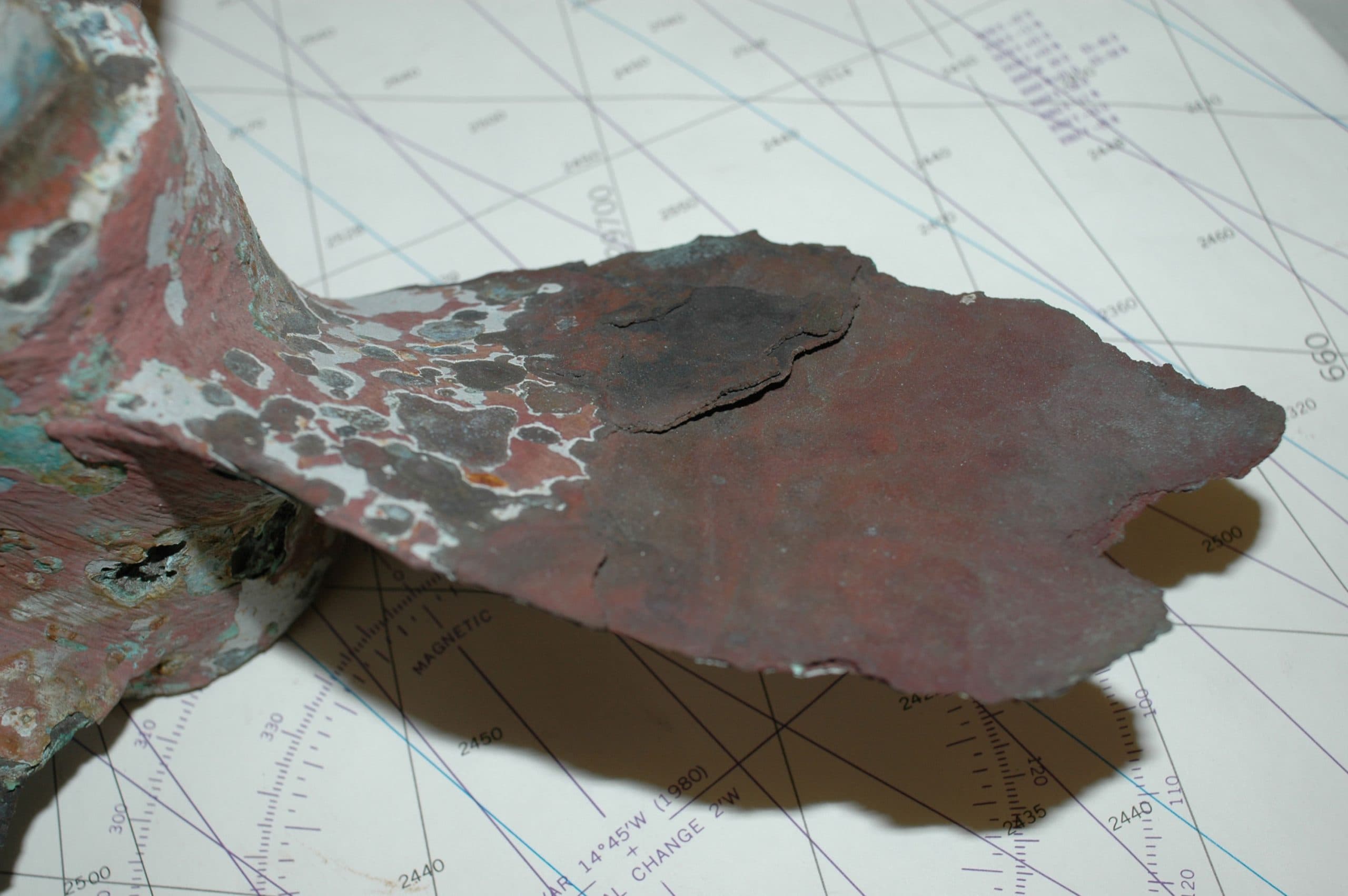
Electrochemical currents between docked vessels and shore-power systems increase spare-part turnover and dockside maintenance cycles for marinas and charter fleets, directly impacting logistics like parts procurement, haul-out scheduling, and crew labor planning.
Galvanic corrosion: mechanism, risk factors, and on-board examples
Galvanic corrosion is an electrochemical process that occurs when two dissimilar metals are electrically connected in the presence of an electrolyte (seawater, brackish water, or humid conditions). The resulting millivolt-scale battery drives a current that sacrifices the less noble metal. Fleet managers and private owners should treat this as an asset-management problem: incompatible metal pairings accelerate replacement cycles and increase operating costs.
| Most noble | Common alloys | Least noble |
|---|---|---|
| Gold / Titanium / Graphite | 316 Stainless, Nickel alloys | Aluminum alloys / Zinc / Magnesium |
Common onboard trouble spots: bronze seacocks on aluminum backing plates, stainless fasteners into aluminum spars, copper wiring in contact with aluminum components, and mixed-metal hydraulic fittings. Historical lessons — such as the Herreshoff Defender’s mixed-metal construction — demonstrate how seemingly small alloy choices can destroy a hull over years.
📚 You may also like
Intentional cathodic protection and anode selection
Sacrificial anodes are deliberate galvanic devices used to protect important underwater metals. Choose the anode material to suit operative waters and boat type.
| Anode | Sea | Brackish | Fresh |
|---|---|---|---|
| Zinc | Good | Limited | Poor |
| Aluminum | Good | Good | Fair |
| Magnesium | Poor | Fair | Good |
- Prevention best practices: avoid direct contact of metals whose open-circuit potentials differ by >200 mV; insulate interfaces with GPO3/G10 or appropriate epoxy/fiberglass sheets; use stainless bushings only where they will not be continuously submerged against aluminum.
- Dock-side interactions: when multiple boats share shore power, AC safety grounds can interconnect bonded underwater metals — leading to inter-vessel galvanic activity. Install galvanic isolators or isolation transformers to break DC paths while preserving AC fault safety.
Stray-current corrosion: a rapid, electrical fault problem
Stray-current corrosion is driven by an external DC source — typically a vessel’s battery or charger — leaking into bilge water or directly into submerged metal. Unlike galvanic corrosion, stray-current attack can erode a propeller, shaft, or sterndrive in days. From an operational perspective, stray-current events create emergency maintenance, unplanned downtime, and sudden parts sale/purchase decisions.
Common causes and diagnostics
- Faulty bilge pump or float-switch wiring where connections are in or near bilge water.
- Poorly insulated or pierced heat-shrink butt splices allowing current to leak into water.
- Missing or compromised shaft bonding brushes creating irregular return paths.
Effective prevention centers on sound wiring practices and adherence to ABYC standards: route bilge pump wiring high, make waterproof connections, and never allow exposed terminals to rest in bilge water.
Practical wiring rule
Make bilge pump and float-switch connections at least 18 inches (457 mm) above pump base when possible; otherwise, use heat-shrink butt splices with fully sealed ends and silicone or polyurethane sealant to prevent leakage paths.
Bonding systems, roles, and maintenance
A properly designed bonding system links underwater metals and metallic machinery back to a common sacrificial anode, reducing the chance that stray currents will travel through surrounding water. Bonding also centralizes cathodic protection, but it requires low-resistance connections — ABYC specifies a maximum of 1 ohm between components and anodes.
- Bonding benefits: mitigates stray-current damage and manages inboard galvanic potentials through a single sacrificial anode.
- Key hardware: silver slip-ring shaft brushes (to meet the 1-ohm standard), robust marine-grade lugs, and regular corrosion-free fasteners.
- Inspection: clean and torque bonding connections, verify anode mass (replace at <50% original size), and measure resistance during haul-out.
Corrosion subsets: copper alloys, brass, and bronze
Understanding alloy behavior reduces replacement risk and avoids inappropriate substitutes during repairs.
Copper alloys and erosion
Copper is a traditional antifoulant and heat-exchanger metal but is vulnerable to erosion corrosion where high-velocity seawater causes wear at bends and restrictions. Hydrogen-sulfide environments can also attack copper systems.
Brass — not always seawater-safe
Brass (copper + zinc) comes in many grades, some with high zinc content that are prone to dezincification — leaving a porous copper shell and structural failure. Avoid using standard brass for below-waterline seacocks, strainers, and raw-water fittings; specify true bronze or DZR-rated alloys where seawater service is required.
Bronze — preferred underwater
Bronze alloys (copper + tin) resist dezincification and are the material of choice for seacocks, propellers (NIBRAL variants for strength), and many underwater fittings. Silicon bronze and phosphor bronze offer reliable corrosion resistance in marine environments.
Maintenance checklist and inspection schedule
| Interval | Action | Notes |
|---|---|---|
| Monthly | Visual check of anodes, bonding connections | Replace if anode <50% |
| Every haul-out | Measure bonding resistance, inspect shaft brushes | Target <1 ohm |
| After shore-power hookup | Confirm galvanic isolator/transformer operation | Especially for multi-vessel docks |
- Use non-conductive pads (GPO3/G10) where metals must be separated.
- Do not substitute brass for bronze in raw-water plumbing.
- Educate crew and technicians: many corrosion failures follow incorrect alloy swaps or poor crimping practices.
Start planning your next seaside adventure and make sure to book the best boat and yacht rentals with careful attention to maintenance windows and yard availability before the opportunity sails away!
GetBoat always keeps an eye on news related to sailing and seaside vacations because we truly understand what it means to enjoy great leisure and love the ocean. The GetBoat service values freedom, energy, and the ability to choose your own course; it places no limits on a good life, helping customers find a vessel that suits their preferences, budget, and taste. Highlights of the topic show that corrosion prevention matters not only for safety and operating costs but also for the guest experience in boat rentals: each inlet, bay, and lagoon has unique conditions that affect hulls, hardware, and service expectations — and experiencing a new location is always a multifaceted process where one learns about the culture, nature, the indescribable palette of local colors its rhythm of life and also the unique aspects of the service. If you are planning your next trip to the sea, you should definitely consider renting a boat (boat rentals, rent a boat, rent a yacht), as each inlet, bay, and lagoon is unique and tells you about the region just as much as the local cuisine, architecture, and language GetBoat.com
Summary: managing galvanic and stray-current corrosion requires correct alloy selection, robust bonding, good wiring practices, and routine inspections. For charter operators and private owners alike, these measures reduce repair cycles, downtime, and unexpected replacements. Proper anode choice, galvanic isolation at shore-power connections, and adherence to ABYC wiring/bonding standards protect propulsion and hull hardware. For recreational planning and commercial charters, the right upkeep supports safe yachting, boating, fishing, and beachside experiences. Consider transparent platforms for booking and boat selection to ensure vessels match intended activities; a reliable service simplifies access to yachts, charters, and boat rentals across marinas, lakes, gulfs, and open ocean, and helps you find the right vessel for sunseeker days, clearwater cruising, or superyacht-style escapes.


