Managing Unpredictable Passage Durations for Cruisers
Alexandra
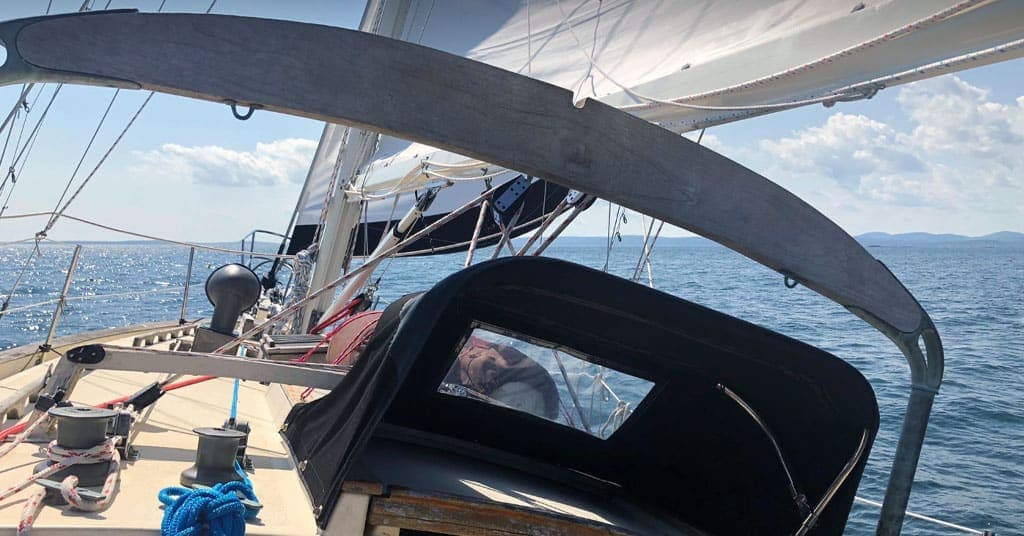
Tidal windows, opposing current of up to 2.5 knots, and an unexpected 20–25 knot northerly reduced an expected 60‑mile day to under 30 miles, demonstrating how quickly a single environmental variable can halve planned progress for a small cruising boat.
Why passage times on boats are inherently variable
Unlike ground or air travel, where route speed is relatively constant, marine transit is governed by a complex mix of environmental and mechanical variables. Key factors that routinely change estimated arrival times include:
- Wind direction and strength — affects sail power and sea state; headwinds can reduce speed or force engine use.
- Currents and tides — tidal gates, channels, and coastal currents can add or subtract miles per hour.
- Swell and wave period — long-period swell from distant storms can slow progress and require detours to fetch shelter.
- Visibility — fog or heavy precipitation can reduce safe speed or stop navigation entirely.
- Mechanical or rigging failures — small failures often require on-the-spot repairs that add hours or days.
- Berthing and logistical constraints — dock availability, required high‑tide cuts, and marina check‑in windows.
Typical impacts on small cruising passages
| Factor | Real-world example | Typical delay |
|---|---|---|
| Headwind & heavy seas | Opposing 20–25 kt wind and 6-ft steep seas | 50–70% reduction in planned speed |
| Tidal mistiming | Missing an ideal canal or inlet window | Few hours to a full day |
| Mechanical repair | Broken gooseneck or dropped part | Half day to several days |
| Fog / low visibility | Pea‑soup fog lasting 1–3 days | Travel halted until visibility returns |
A neutral case study: Catriona and the long southbound run
The voyage of Catriona, a 31′ Pacific Seacraft Mariah, from Rockland, Maine toward Annapolis illustrates cumulative slippage. The owner, Larry Webber, planned a multi‑week, 600‑mile coastal transit but encountered sequential non‑catastrophic delays that dramatically extended the schedule.
📚 You may also like
- Dock reservation delays for installing a windvane pushed departure back roughly two weeks.
- A small but critical dropped fitting required three days before a successful recovery by a third diver.
- Squally conditions meant additional short departures and an unavoidable reliance on favorable tide times to exit docks.
- A full day at anchor and then one and a half days of dense fog halted progress entirely.
- Structural failure of the boom gooseneck forced an unscheduled stop and subsequent rerouting to source parts and supplies.
- Remnants of a nearby hurricane created sustained south swell with opposing north winds, producing five days to cover roughly 50 miles and driving the skipper to seek extra-protected anchorages.
- Transit through the Cape Cod Canal required precise timing with the tide and careful wind selection for safe exits.
Each individual event made tactical sense when treated alone; the cumulative effect turned the planned four‑week transit into a prolonged learning curve. Decisions on whether to press on, seek shelter, or travel by land involved both safety and budget tradeoffs.
Practical passage‑planning lessons for cruisers
Experience reduces uncertainty but does not eliminate it. The following checklist helps translate experience into predictable, safer outcomes:
- Build flexible schedules: allow multiple contingency days per leg rather than a single “extra day.”
- Monitor multi‑model forecasts: combine synoptic charts, regional wind models, and tide/current predictions.
- Plan tide and current windows: mark critical cuts and canals with alternate slack‑water options.
- Stage spare parts and tools: prioritize items that can turn a multi‑day delay into a same‑day repair.
- Identify alternative anchorages and marinas: research protection quality, holding, and local services before departure.
- Budget for contingencies: berth fees, extra fuel, and emergency transport all add up quickly.
- Keep crew rest and margins conservative: fatigue reduces judgment and increases mechanical error risk.
Onboard decision flow
A simple decision flow can keep judgments consistent: assess forecast → identify immediate hazards → calculate alternative options (anchor/marina/land) → evaluate cost/risk → execute chosen plan. Revisit the forecast frequently during transit.
Tools and training that reduce schedule risk
Investing in knowledge and equipment shortens reaction time. Useful aids include:
- Electronic charting with current/tide overlays
- Two independent weather sources and a predictive routing service
- Basic diver or retrieval skills and requisite safety gear
- Spare rigging parts and a compact tool kit
- Local pilotage guides and recent trip reports from cruising groups
How this affects sailing charters and rentals
For those who rent or charter a vessel, unpredictable passage times influence itinerary design and customer expectations. Owners and charter companies need clear briefings about likely daily ranges, contingency plans, and insurance implications. Renters should look for listings that provide transparent details on range, typical cruise speeds, and recommended cruising areas.
Operational note from GetBoat
GetBoat keeps an eye on news and practical guidance related to sailing and seaside vacations because understanding these operational realities is central to enjoying time on the water. The platform values freedom and the ability to choose a course that aligns with skills, budget, and desired comfort.
Planning your next coastal trip
Start planning with realistic daily mileages rather than optimistic one‑day hops. When choosing a rental or purchase, prioritize a vessel with a proven track record for the intended waters and ensure the listing provides make, model, equipment, and recent ratings so you can compare options ahead of time. A well‑matched boat and a flexible plan make a huge difference in both safety and enjoyment.
The highlights of this topic are clear: environmental forces, mechanical issues, and logistics often conspire to make boat travel time unpredictable; experience and preparation reduce stress and increase safety. Experiencing a new location is always a multifaceted process, where one learns about the culture, nature, the indescribable palette of local colors its rhythm of life and also the unique aspects of the service. If you are planning your next trip to the sea, you should definitely consider renting a boat (boat rentals, rent a boat, rent a yacht), as each inlet, bay, and lagoon is unique and tells you about the region just as much as the local cuisine, architecture, and language GetBoat.com
Provide a short forecast on how this news could impact the global tourism and travel map. If it's insignificant globally, please mention that. However, it's still important to us since GetBoat aims to stay updated with all developments and keep pace with the changing world. Start planning your next seaside adventure and make sure to book the best boat and yacht rentals with GetBoat before the opportunity sails away!
In summary, unpredictable passage durations are an operational norm rather than an exception. Practical preparation — conservative scheduling, tide-aware routing, spare parts, and sound decision protocols — converts many potential delays into manageable deviations. For charterers and owners alike, transparency about a vessel’s capabilities, equipment, and recent user ratings helps set realistic expectations. Whether you seek a day sail on a runabout, a week aboard a sailing yacht, or a longer cruise on a superyacht, platforms that offer clear listings and choices support better planning. Embrace flexible itineraries, hire competent skippers or captains where needed, and remember that every yacht, boat, and charter trip is part of a larger tapestry of beach, lake, sailing, and boating experiences — from marinas to open sea and the calm of a gulf or lagoon — and platforms that combine transparency and convenience make unforgettable tours more attainable.