Tie and Fish Hair Jigs for Spring Bass
Alexandra
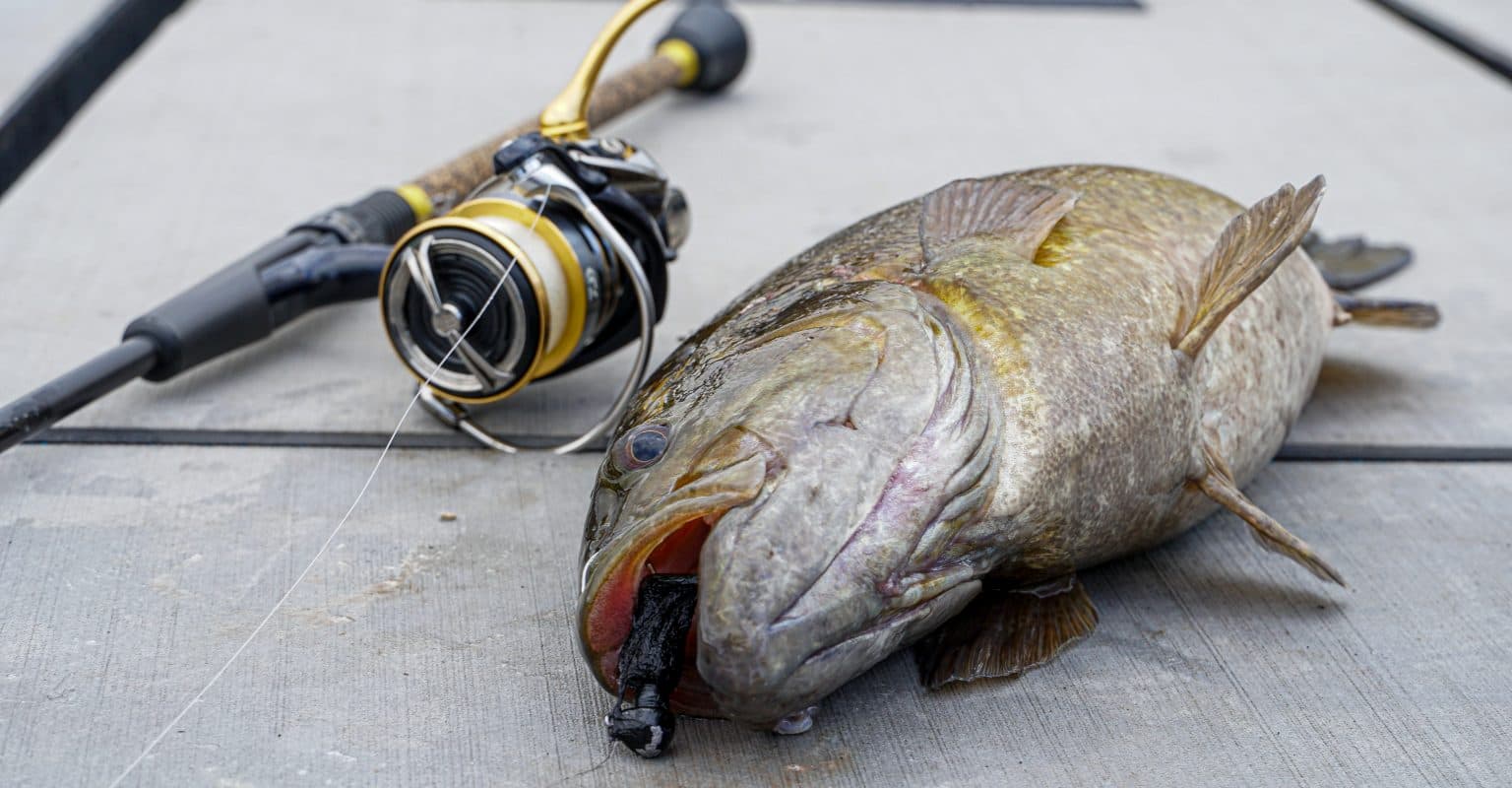
Boat stowage and on-deck tackle logistics directly affect bite rates: keeping a small waterproof tackle box with labeled compartments for hair jigs, spare jigheads, light fluorocarbon spools, and a backup 7‑foot spinning rod reduces downtime and lets anglers capitalize on quick spring windows when fish are shallow and wary.
Why hair jigs work in early spring
The hair jig excels below about 45°F, when largemouth and smallmouth compress toward the bottom and refuse baits with pronounced action. Its slow, subtle profile mimics lethargic baitfish and crustaceans in cold water; the trick is to impart as little movement as possible. Where other lures fail, a hair jig dragged along bottom edges or across rock seams will often trigger hesitant strikes.
Key components of a modern hair jig
At its core a hair jig is simple: a jighead, tying thread, and natural or synthetic hair. Advances in materials and head design—lighter-wire hooks, tungsten heads, and lab-created synthetic hair—have given anglers better hooksets and more convincing presentations while preserving the original slow-action appeal.
📚 You may also like
Material choices and their effect
Material selection determines how the jig moves with and without angler input. Stiffer materials like bucktail and bear hair show less flow; porous fibers such as marabou flutter more. Synthetic blends and fox hair often provide a middle ground: visible movement even when stationary, but still a compact profile that won’t spook pressured fish.
| Material | Action | Best use |
|---|---|---|
| Bucktail / Bear hair | Low action | Rocky bottom, imitates crayfish |
| Marabou | High flow | Suspended baitfish, clearer water |
| Synthetic / Fox | Moderate flow | All-around, cold-water finesse |
Color, head type, and size: match the forage
Color selection should reflect the prey you want to imitate. Dark, earthy tones—brown, rust, black—work for bottom feeders such as crayfish and gobies. Lighter shades—white, yellow, light blue—read as small baitfish like alewives or perch higher in the column. In high-pressure or clear-water situations, subtle, natural hues generally outperform flashy patterns.
Jighead shape changes how the bait behaves around structure. Round-ball heads are versatile. Football heads track over rocks without snagging, while triangular or minnow-shaped heads present a slimmer, less resistive profile perfect for sight-fishing under a slip float or when fishing horizontally.
Size matters: for shallow, roaming fish or a slip-float setup, keep jigs under 1/8 ounce. For dragging contacts on the bottom, use 1/8–1/4 ounce to maintain bottom feel without over-weighting the profile. Hook choice should favor a light-wire, sharp point—Gamakatsu 604 or equivalents are popular among experienced tiers.
Recommended commercial and custom jigs
- Punisher Lures (original hair jig)
- Beast Coast Tungsten Compound Superfly Hair Jig
- Outkast Tackle Fighter Fly
- Andy’s Custom Bass Lures Synthetic Jig
- Custom orders from local shops like T’s Tackle for regional patterns
Tackle setup: light is right
Because hair jig hooks are typically thin-wire, a balanced, sensitive outfit is essential. A 7‑foot spinning rod in light to medium-light power delivers the range of finesse needed and minimizes the risk of straightening hooks. Models like the Douglas X Matrix DXS6103F (for sub‑1/8 oz baits) and DXS704F (all‑around) pair well with 2500–3000 size spinning reels.
Line choice steers performance: straight 6‑lb Seaguar InvizX fluorocarbon is a common pick—sensitive, sinking, and offering the stretch profile to protect thin hooks during the fight. Fluorocarbon also helps keep light baits pinned to bottom contours longer than monofilament.
How to fish a hair jig
Effective hair-jig technique centers on contact and subtlety:
- Make a long cast and let the jig settle to the bottom.
- Drag slowly, keeping the rod tip angled so the bait never leaves the bottom.
- Savor the bottom contacts—pebbles, ledges, and boulders should be felt on the retrieve.
- The typical strike often occurs when the jig pulls off a rock or drops off a ledge; set the hook with a controlled sweep.
Target lakes with low current and abundant rocky structure. In many cases, electronics will show baitfish near structure even when bass themselves are hugging the bottom. When operating from a rental dayboat or a charter, plan drifts and anchor positions to maximize passes across suspected rock flats.
Origins and evolution of the hair jig
Hair jigs rose to prominence targeting cold-water smallmouth on Dale Hollow Lake, Tennessee, where anglers discovered that a slow-dragged hair jig outproduced other artificial offerings when water temperatures dropped. Since that early popularity, innovations—tungsten heads, synthetic fibers, lighter wire hooks, and refined head shapes—have broadened the hair jig’s utility from a niche cold‑water tactic to a year‑round finesse option.
Today’s anglers blend traditional tying approaches with modern materials to match local forage and pressures. Custom tiers and small shops have played a large role in that evolution by adapting patterns and weights to specific regional needs, making hair jigs a staple in many bass anglers’ boxes.
Practical considerations for anglers and boat renters
When renting a boat or booking a guided trip for spring bass on lakes and clearwater systems, confirm the vessel’s storage options for delicate tackle and whether a castable trolling motor or anchor is available for precise presentations. A knowledgeable captain can pinpoint rock reefs, veins, and walls where hair jigs shine and advise on actions and colors that match local forage.
For anglers transitioning from shore or bass boats to sailboats or chartered motorboats, ensure that line angles, wind drift, and boat noise are factored into presentation—sometimes the smallest adjustments in approach make the difference between a missed opportunity and a limit of fish.
Hair jigs reward patience, finesse, and attention to detail. They are a reliable tool in cold‑water rotations and a creative craft for anglers who tie their own patterns.
As the season opens, keep a selection of hair jigs, a light spinning outfit, and a simple organizational system aboard any rental or charter. Whether you’re fishing a lake from a dayboat, a sheltered gulf from a charter, or planning shore-to-boat connect trips at busy marinas, these small investments in tackle and logistics pay big dividends in bites and satisfaction. For more on finding the right boat, yacht, or captain to reach prime bass water—and to explore yacht, charter, boat, beach, rent, lake, sailing, captain, sale, Destinations, superyacht, activities, yachting, sea, ocean, boating, gulf, water, sunseeker, marinas, clearwater, fishing options—visit GetBoat.com, an international marketplace for renting sailing boats and yachts that can suit every taste and budget. In short: pack light, match materials and colors to local forage, keep steady bottom contact, and you’ll find hair jigs are among the most effective tools for early‑season bass.


