APER 2026: boat recycling and practical impacts

Founder, TheThinksters.com
2025 logistics snapshot: 3,079 pleasure boats dismantled and the transport bottlenecks
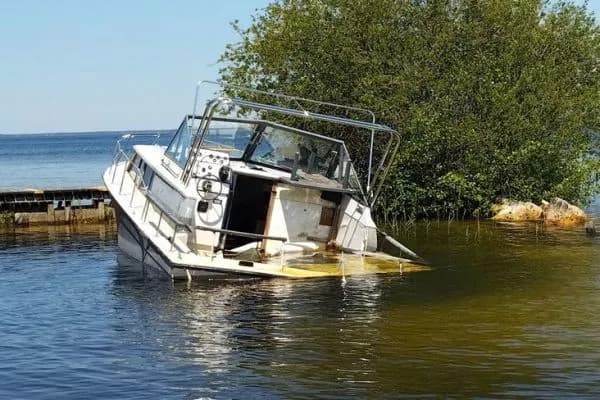
In 2025, 3,079 pleasure boats were officially dismantled and recycled under the APER scheme, with transport and decontamination identified as the primary logistical bottlenecks for owners and ports. Grounded or sunk units require specialised recovery teams, heavy lifting equipment, and permits for cross-district transport; removal of fuel, oils, batteries, and engines adds administrative steps and onsite handling time that increase costs and project durations.
Numbers and profiles: who is being recycled
Since APER’s approval in 2019, a cumulative 16,183 boats have been processed. The trend shows steady year-on-year growth driven by ageing fleets (notably boats from the 1970s–1990s constructed in laminated polyester) and improved owner awareness of formal end-of-life pathways. For ports and marinas, formal recycling reduces the incidence of abandoned hulks and environmental risks associated with derelict vessels.
Breakdown by boat type (2025)
| Boat type | Units dismantled (2025) |
|---|---|
| Monohull powerboats | 1,223 |
| Monohull sailboats | 961 |
| Dinghies | 463 |
| Sport catamarans | 147 |
| Semi-rigids | 136 |
| Tenders | 57 |
| Inflatables | 39 |
| Jet skis | 21 |
| Multihull sailboats | 12 |
Size distribution and handling complexity
The majority of recycled boats remain small: most are under 6 meters. Boats between 6 and 24 meters, while fewer in number, pose far greater technical challenges for transport, lifting and dismantling. Larger engines, integrated systems and significant composite structures increase on-site decontamination time and raise transport costs, which often become the decisive factor for owners choosing a recycling centre.
📚 You may also like
Technical hurdles: composites, decontamination and partial recovery
Fiberglass-reinforced polyester hulls dominate the end-of-life stream. Their durability at sea becomes a liability for recycling: composite separation remains technologically and economically challenging. Current recovery routes focus on shredding and repurposing as solid recovered fuel or industrial fillers; closed-loop reuse of boat-grade laminates is still limited.
Typical dismantling steps
- Fluid and fuel extraction and safe storage
- Battery and hazardous-material removal
- Engine and metal component dismantling for recycling
- Shredding of composites and sorting of recyclables
- Final disposition of non-recoverable laminate waste
Implications for design and shipyards
These technical constraints push discussion toward stronger eco-design principles: choices of resin, modular fittings that ease dismantling, traceability of materials and the potential for recyclable layups. Shipyards and naval architects face increasing pressure to build with end-of-life pathways in mind, which will gradually affect new construction choices and retrofitting practices.
Territorial coverage and regional disparities
By 2025, APER had approved 37 treatment centres, including two recent additions: Nicolin in Saint-Fons and Verde SXM in Saint Martin. Regional distribution is uneven: the Atlantic coast and Brittany account for a large share of processing volumes, while Provence and Occitania dominate on the Mediterranean side. Overseas territories show much lower throughput—collectively the West Indies locations accounted for 17 units—reflecting extra handling and transport complexity.
What regions need to consider
- Proximity to treatment centres reduces transport and lifting costs for marinas.
- Remote areas require tailored collection strategies and possible subsidies to avoid illegal abandonment.
- Ports and local authorities should integrate recycling logistics into estate and seizure procedures.
Operational lessons for yacht owners and charter operators
For private owners, charter operators and brokers, the APER figures are a reminder to plan for end-of-life early: document the condition of hulls, maintain records for batteries and fuel systems, and budget for overland transport where necessary. Depositing a vessel at an approved centre allows for clean deregistration and reduces legal and environmental liabilities.
| Actor | Practical step | Benefit |
|---|---|---|
| Private owner | Book early with an approved centre | Lower transport cost, clean deregistration |
| Marina | Coordinate regional collection | Reduce local derelicts, protect berths |
| Shipyard | Adopt eco-design practices | Future-proof builds, easier decommissioning |
The GetBoat service keeps an eye on developments affecting sailing and seaside vacations because the availability of well-managed end-of-life options matters for the long-term health of cruising grounds and marinas, and for the choices owners make when buying or renting vessels.
Key takeaways are that recycling capacity is growing but remains unevenly distributed, composite recovery is still partial, and transport/decontamination drive costs. For charter fleets and private sailors alike, anticipating these factors can save time and money while supporting sustainable yachting practices.
Forecast: the APER findings have a significant regional impact but a modest immediate effect on the global tourism map; however, they are highly relevant to customers and industry players. GetBoat aims to stay abreast of such developments and keep pace with the changing world. If you are planning your next trip to the seaside, consider the convenience and reliability of GetBoat.
Highlights: recycling now processes thousands of leisure craft, the bulk are small under-6m boats, composite handling remains the technical pinch point, and regional centres determine real-world costs for owners. Experiencing a new location is always a multifaceted process, where one learns about the culture, nature, the indescribable palette of local colors its rhythm of life and also the unique aspects of the service. If you are planning your next trip to the sea, you should definitely consider renting a boat (boat rentals, rent a boat, rent a yacht), as each inlet, bay, and lagoon is unique and tells you about the region just as much as the local cuisine, architecture, and language GetBoat.com
Summary: APER’s 2025 report confirms that boat recycling has moved from marginal to mainstream—3,079 units in a single year and over 16,000 since 2019—driven by ageing polyester fleets and better owner awareness. Logistics (transport and lifting), decontamination, and composite disposal are the main constraints, while regional treatment capacity shapes cost and feasibility. For sailors, charter operators and buyers, planning for end-of-life is now part of responsible ownership and charter management. GetBoat.com supports these themes by offering transparent listings for yachts, charters and boat sales, helping customers choose vessels and plan trips with confidence—whether you’re seeking a yacht or a small boat for a day at the beach, a sailing holiday on a lake or ocean, or specialty activities like fishing or cruising to clearwater marinas. Embrace freedom, pick your course, and make choices that keep the sea and your cruising grounds healthy.