Budget-Friendly Ways to Reduce Boat Noise
Alexandra
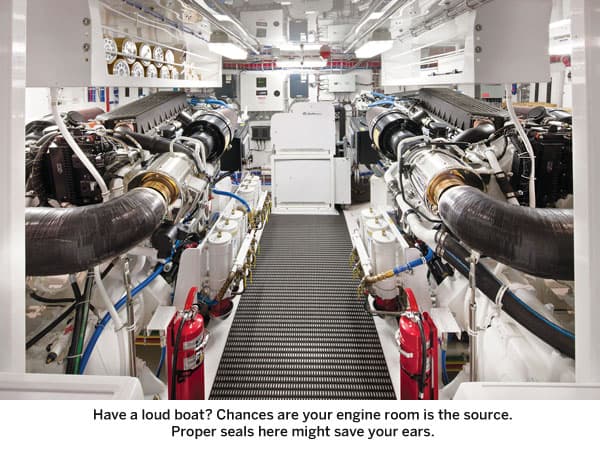
Engine-room vents and unsealed bulkhead penetrations are primary paths for airborne noise on powerboats at cruising speed, often transmitting a boat-wide hum if not addressed.
Understand what makes your boat loud
Sound aboard a vessel is simply vibration traveling through air or solids. Conversational levels sit around 65 dB, while discomfort and pain thresholds are much higher; for practical onboard comfort, focus on reducing the vibration that excites cabin surfaces and converts into audible noise. For charter operators and marina-based rental fleets, this isn’t just comfort—it's reputation management: noisy boats get bad reviews fast.
Two cheap, effective strategies
There are two basic, low-cost approaches that work well together:
📚 You may also like
- Sealing — stop airborne paths (doors, hatches, cable penetrations, vent leaks).
- Isolation — prevent direct solid-to-solid contact that retransmits vibration.
Sealing: block the easy routes
Sealing is often the fastest return on effort. Anything that lets air move from the engine room into living spaces will carry noise. Close gaps around doors and hatches with marine-grade gaskets, and seal cable and pipe penetrations with polyurethane caulk or dense closed-cell foam. Remember: engine rooms need combustion air, so vents must remain clear, but every other opening is fair game for sealing.
On many older boats, electricians and previous owners cut holes for runs and left them loosely packed. Tighten those up. A careful job on bulkhead penetrations and lazarette access panels can shave noticeable decibels without a major refit.
Isolation: stop the rattle at the source
When vibration of a pump, generator, or mounting bracket is the culprit, the trick is to prevent that vibration from reaching the hull or cabinetry. This is where cheap tricks shine:
- Mount small pumps on short sections of flexible hose or high-density neoprene pads.
- Use rubber grommets or isolation washers on through-bolts.
- For larger machinery, fit resilient mounts or install sacrificial isolation blocks between the base and structural members.
Commercial yachts often float floors and bulkheads on synthetic rubbers; while that’s pricey, the same principle applies at DIY scale. If the vibrating unit can shake without slamming into another structure, a large portion of the noise is gone.
Practical, low-cost materials and tools
| Item | Typical cost | Use |
|---|---|---|
| Polyurethane caulk | $10–$25/tube | Seal cable/pipe penetrations and hatch gaps |
| Closed-cell foam | $5–$30/roll | Pack awkward openings; keep water out |
| Neoprene pads / rubber hose | $3–$20 | Isolate pumps and small machinery |
| Isolation mounts (rubber) | $10–$100 | Support heavier gear with reduced transmission |
| Weatherstrip / gaskets | $5–$40 | Improve door and hatch seals |
Step-by-step checklist for a weekend project
- Walk the boat at cruising RPMs and note locations of the loudest tones.
- Inspect bulkheads, hatches, and lazarette access for leaks and soft seals.
- Seal visible gaps around penetrations with caulk or foam.
- Mount small pumps on hose sections or neoprene pads; add isolation washers to bolts.
- Recheck at sea and tune—sometimes a second gap reveals itself once the loudest paths are closed.
Where not to cut corners
A tight seal is great, but engine rooms still need ventilation and safe exhaust routing. Do not obstruct combustion air or exhaust systems in the pursuit of quiet—safety first. Also, electrical and plumbing runs must remain serviceable; use removable gaskets or accessible panels where possible so maintenance isn’t made harder by permanent seals.
How this affects charters and rentals
For yacht and boat operators, quieter vessels increase guest satisfaction and can justify higher rates. A cheap noise-improvement package—better hatch seals, pump isolation, and sealed penetrations—yields a tangible uplift in perceived quality. Guests judge charters on comfort; a quiet cabin makes the difference between a repeat booking and a one-off trip.
On a fleet level, these small improvements add up: less noise complaints, fewer customer service hassles, and better online reviews. For private owners, the same work enhances weekend cruising, fishing trips, and family time aboard.
In short, sealing and isolation are the core, low-cost strategies to reduce onboard noise. They won’t replace a full acoustic refit, but they’ll make conversational areas more pleasant and cut that annoying hum that travels from the engine room through the structure.
Summing up: focus on engine-room ventilation paths, seal every non-essential opening, and isolate vibrating equipment with rubber or foam. These inexpensive steps—caulking penetrations, adding gaskets, and mounting pumps on flexible hose or neoprene—deliver measurable gains. Whether preparing a yacht for charter, improving a rental boat for guests, or just wanting a quieter day on the lake or sea, the payoff is real: more comfortable sailing, better experiences for captains and guests, and increased appeal for charter or sale. Keep your marinas and destinations in mind when tuning your boat—better acoustics make superyacht or small boat time on the ocean, gulf, or lake feel like pure boating bliss, from fishing trips at Clearwater to relaxed afternoons near sunseeker-studded marinas.


